
CourseCMS.608 / CMS.86419 lectures
Game Design
Philip B. Tan and Jason Begy · Massachusetts Institute of Technology
About
This course provides practical instruction in the design and analysis of non-digital games. Students cover the texts, tools, references and historical context to analyze and compare game designs across a variety of genres, including sports, game shows, games of chance, card games, schoolyard games, board games, and role–playing games. In teams, students design, develop, and thoroughly test their original games to understand the interaction and evolution of game rules. Students taking the graduate version complete additional assignments.
Lectures
Audio Lectures
- Lecture 2: Iterative Design
- Lecture 3: Where Do Game Ideas Come From?
- Lecture 4: Prototyping
- Lecture 5: Assignment 1 Brainstorming and Team Formation
- Lecture 6: The Social Function of Games
- Lecture 8: Strategy, Skill, and Chance, Part 1
- Lecture 9: Strategy, Skill, and Chance, Part 2
- Lecture 12: Knowing Your Players
- Lecture 18: Puzzles
- Lecture 19: Abstraction and Simulation
- Lecture 20: What is Intellectual Property?
- Lecture 21: Games as Teaching Tools
- Lecture 23: Creating Sequels
- Lecture 25: Fiction and Stories in Games
- Lecture 27: Games as Art
- Lecture 30: Clients for Assignment 3 Visit
- Lecture 31: Assignment 3 Brainstorming and Team Formation
- Lecture 32: Live Action Games
- Lecture 33: Ethics in Games
Syllabus and materials
At MIT OpenCourseWare, as the course publishes them.
Credits and licence
- Institution
- Massachusetts Institute of Technology
- Department
- Comparative Media Studies/Writing
- Taught by
- Philip B. Tan, Jason Begy
- Term
- Fall 2010
- Level
- Undergraduate
- Language
- English
- Subjects
- Society and politics, Literature and writing, Art, architecture and design
- Source
- MIT OpenCourseWare
- Licence
- CC BY-NC-SA 4.0, as MIT OpenCourseWare states it. Non-commercial use only. MIT OpenCourseWare's terms
- Attribution
- Philip B. Tan, Jason Begy. Game Design. Fall 2010. Massachusetts Institute of Technology: MIT OpenCourseWare, https://ocw.mit.edu/. License: Creative Commons BY-NC-SA.
- Who can watch
- MIT OpenCourseWare gives no rating. Invisible Network shows it to Teens profiles and older, judged from what the source says about it. How courses are placed
More like this
 Course
Becoming the Next Bill Nye: Writing and Hosting the Educational Show
132 lectures · Video
 Course
Computation Structures
35 lectures · Video
 Course
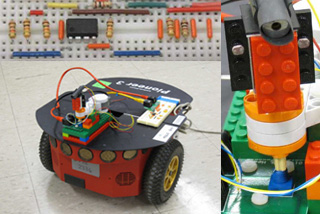
Introduction to Electrical Engineering and Computer Science I
54 lectures · Video
 Course
Principles and Practice of Assistive Technology
34 lectures · Video
 Course
Geometric Folding Algorithms: Linkages, Origami, Polyhedra
40 lectures · Video
 Course
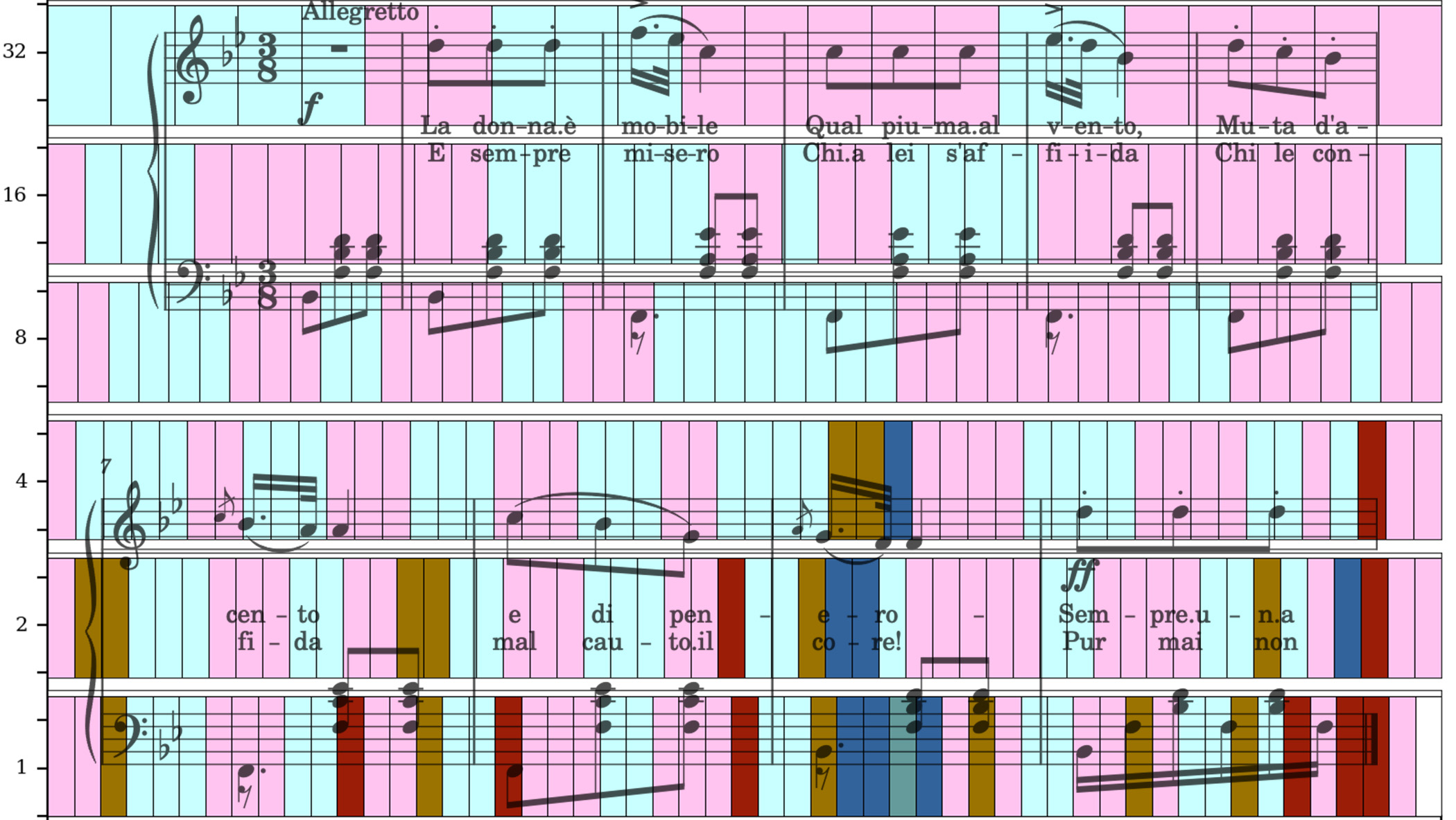
Computational Music Theory and Analysis
47 lectures · Video
 Course
Making Science and Engineering Pictures: A Practical Guide to Presenting Your Work
39 lectures · Video
 Course
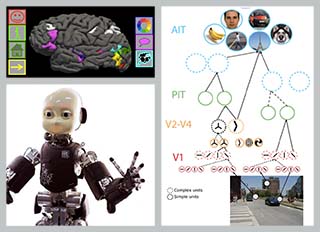
Brains, Minds and Machines Summer Course
52 lectures · Video
 Course
Neuroscience and Behavior
30 lectures · Video
 Course
Finance Theory I
29 lectures · Video
 Course
Multicore Programming Primer
28 lectures · Video
 Course
Principles of Microeconomics
26 lectures · Video