
Elettyjä pikkuseikkailuja
by Knut Hamsun
Translated by Timo Tuura
Human-made only is on in this browser, so Project Gutenberg's machine summaries are left out. Settings.
"Elettyjä pikkuseikkailuja" by Knut Hamsun is a collection of short stories written in the early 20th century. The pieces are autobiographical vignettes of “lived little adventures,” shifting from American prairies and Parisian boulevards to a stark Norwegian parish. A frank, restless first-person narrator observes fear, crowds, work, and the uncanny with sharp sensory detail and dry humor. Readers get atmospheric snapshots rather than a single plot, anchored by the narrator’s roaming life. The opening of the collection first offers a compact biographical sketch of the author’s life and major works, then moves into several first-person episodes. In “Pelkoa,” the narrator recalls a night in Madelia on the American prairie when intruders break into a house, triggering overwhelming terror as he bluffs them off with a single bullet. “Muuan katuvallankumous” recreates Paris street unrest in the 1890s, from barricades and smashed lamps to scuffles with police and soldiers, mixing menace with absurdity (an umbrella “confiscated” because “it’s a revolution”). “Aave” returns to a northern childhood: after pocketing a tooth from a graveyard, the boy is haunted for years by a red-bearded apparition with a missing tooth. “Vehnäaavikolla” sketches grueling harvest work on the Red River wheat plains, the eccentric Irishman Evans, a snake slipping into a Swede’s boot, and the raucous post‑payday spree where Evans borrows the narrator’s wallet to gamble, then regains control and wins back money.
AI-generated Summary written by Project Gutenberg, by machine.
- Language
- Finnish (Suomi)
- On Project Gutenberg since
- 8 September 2025
- Read in the last 30 days
- 339 times at Project Gutenberg
More by Knut Hamsun
See all: More by Knut Hamsun
Hunger

Pan
Growth of the Soil
Sult

Markens grøde, Første del

Wanderers

Look Back on Happiness
Mothwise

Markens grøde, Anden del
Hunger
Segen der Erde: Roman
Shallow Soil
Victoria

Sklaven der Liebe, und andere Novellen

Hunger: Book One

Väriä ja viivoja: Werner von Heidenstamin, Oscar Levertinin y.m. novelleja
Nälkä

Saban kuningatar sekä muita kertomuksia
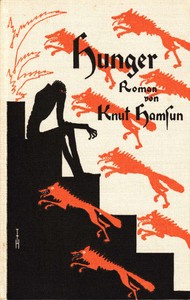
Hunger

Syystähden alla: Kulkijan kertomus
More from the shelf “Nobel Prizes in Literature”
See all: More from the shelf “Nobel Prizes in Literature”
A farewell to arms
The Jungle Book

The Problems of Philosophy

The Lock and Key Library: Classic Mystery and Detective Stories: Modern English

Tractatus Logico-Philosophicus
Pygmalion
Siddhartha
Just so stories

Quo Vadis: A Narrative of the Time of Nero
Gitanjali

Buddenbrooks: Verfall einer Familie
The Sun Also Rises

Stray Birds

Demian

Laughter: An Essay on the Meaning of the Comic

Creative Evolution

Der Zauberberg. Erster Band

The sound and the fury

Man and Superman: A Comedy and a Philosophy