Tractatus Logico-Philosophicus
With contributions by Bertrand Russell · Translated by C. K. Ogden
"Tractatus Logico-Philosophicus" by Ludwig Wittgenstein is a philosophical work written during World War I and published in 1921. This austere book seeks to define the relationship between language and reality and establish the limits of science. Composed of 525 hierarchically numbered declarative statements, it presents seven main propositions without traditional arguments. The work profoundly influenced twentieth-century philosophy, particularly logical positivism, though Wittgenstein later criticized many of its ideas. Its famous closing statement addresses the boundaries of meaningful expression.
Summary written by Project Gutenberg, by machine.
- Languages
- German (Deutsch), English
- On Project Gutenberg since
- 22 October 2010
- Read in the last 30 days
- 7,686 times at Project Gutenberg
More from the shelf “Philosophy”
See all: More from the shelf “Philosophy”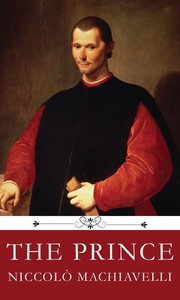
The Prince
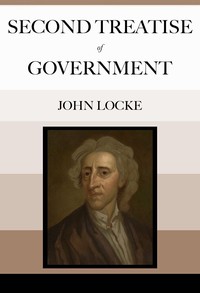
Second Treatise of Government
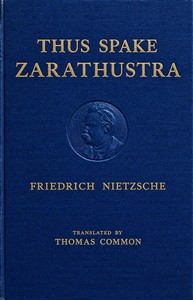
Thus Spake Zarathustra: A Book for All and None
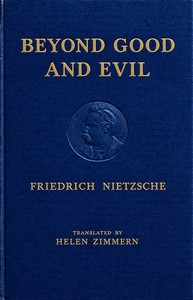
Beyond Good and Evil
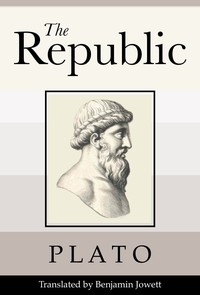
The Republic
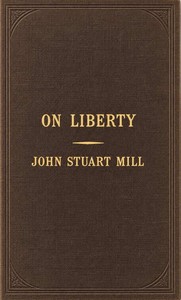
On Liberty
Apology
The Nicomachean ethics of Aristotle
The Problems of Philosophy
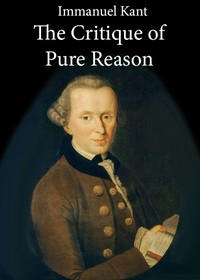
The Critique of Pure Reason
The Communist Manifesto

The Poetics of Aristotle
Ethics
Discourse on the Method of Rightly Conducting One's Reason and of Seeking Truth in the Sciences
Democracy and Education: An Introduction to the Philosophy of Education
Utilitarianism
An Enquiry Concerning Human Understanding
A System of Logic, Ratiocinative and Inductive
The Antichrist