A Very Pleasaunt & Fruitful Diologe Called the Epicure
"A Very Pleasaunt & Fruitful Diologe Called the Epicure" by Desiderius Erasmus is a philosophical dialogue written during the mid-16th century. This work falls into the category of philosophical literature, exploring themes around pleasure, virtue, and the nature of a good life. The dialogue primarily discusses the concept of happiness and how true contentment stems from a virtuous life rather than from indulgent pleasures. The book features two interlocutors, Hedonius and Spudeus, who engage in a back-and-forth discussion about the essence of happiness. They critique the Epicurean pursuit of pleasure, emphasizing that genuine fulfillment arises from living a virtuous and godly life. Through their discourse, Erasmus challenges the superficial understanding of pleasure, advocating for a deeper appreciation of the mind and spirit in achieving true happiness. The dialogue also touches on the Christian perspective of virtue and how it is integral to experiencing a joyous existence, ultimately positioning Christ as the ideal model for happiness.
Summary written by Project Gutenberg, by machine.
- Language
- English
- On Project Gutenberg since
- 8 July 2005
- Read in the last 30 days
- 552 times at Project Gutenberg
More by Desiderius Erasmus
See all: More by Desiderius Erasmus
A dialoge or communication of two persons
The Colloquies of Erasmus, Volume I.
Erasmus Against War
A Modest Meane to Mariage

Selections from Erasmus: Principally from his Epistles
One dialogue, or Colloquye of Erasmus (entituled Diuersoria)

Een twaalftal samenspraken
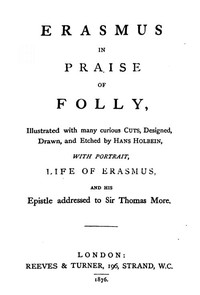
In Praise of Folly
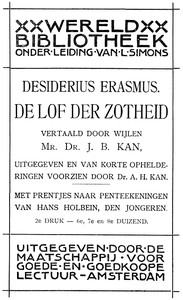
De Lof der Zotheid
The Praise of Folly
Das Lob der Narrheit
The Education of Children
A Merry Dialogue Declaringe the Properties of Shrowde Shrews and Honest Wives
Two Dyaloges (c. 1549)
Encomium Artis Medicae: De Lof Der Geneeskunde