Window mode follows your eyes with your camera, in this browser only: no picture or position leaves your device.
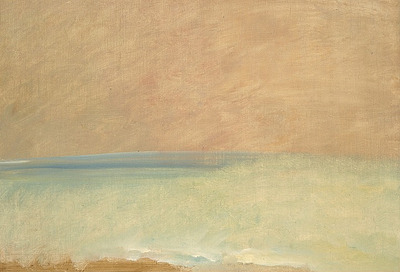
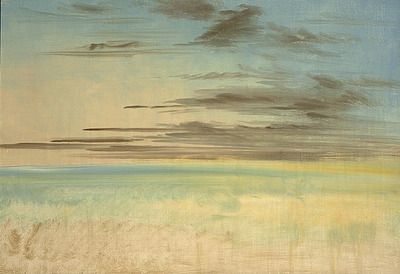
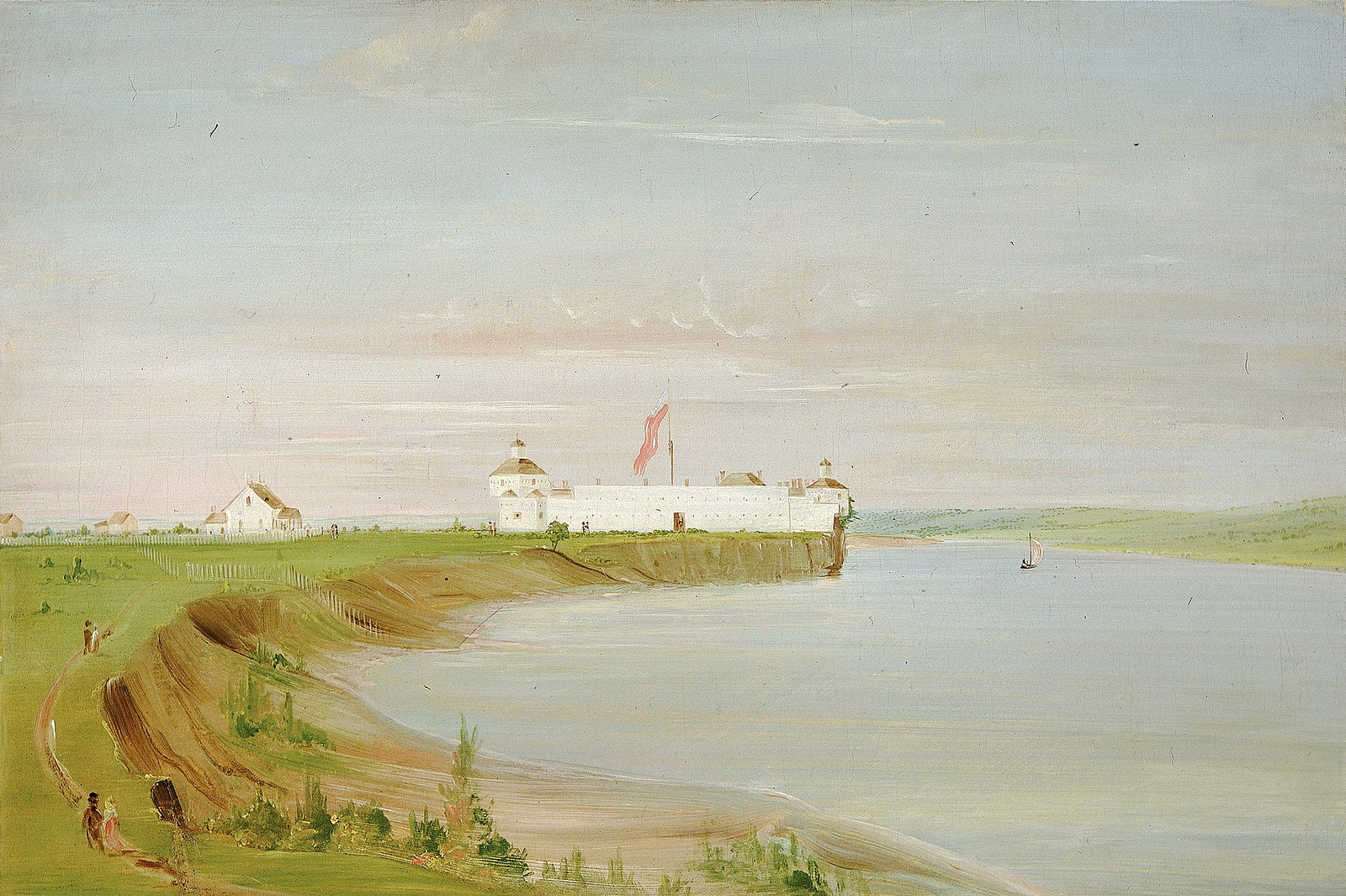
Rock Island, United States Garrison
George Catlin (born Wilkes-Barre, PA 1796-died Jersey City, NJ 1872)
1835-1836
- Medium
- oil on canvas
- Classification
- Paintings
- Dimensions
- 19 5/8 x 27 5/8 in. (49.7 x 70.2 cm)
- Culture
- Illinois
- Museum
- Smithsonian Institution, Smithsonian American Art Museum, Painting and Sculpture
- Credit line
- Smithsonian American Art Museum, Gift of Mrs. Joseph Harrison, Jr.
- Rights
- CC0 (Smithsonian Open Access), as the museum states it.
- Who can see it
- Teens profiles and older: its subject is for older viewers (war, death, the Passion, drink or the like). How works are placed
View at the Smithsonian Institution
About this work
Rock Island was included in lands ceded by Sac and Fox Indians to the federal government in a treaty signed in 1804. After the War of 1812, the United States Army built a small fort called Fort Armstrong near the western tip of the island; the intent was to keep the Mississippi River open to traffic and to protect the settlers soon to be arriving from the east. After witnessing a treaty there in 1835, George Catlin discussed some of its provisions: “The Sacs and Foxes are already drawing an annuity of 27,000 dollars, for thirty years to come, in cash; and by the present Treaty just concluded that amount will be enlarged to 37,000 dollars per annum. This Treaty with the Sacs and Foxes, held at Rock Island, was for the purchase of a tract of land of 256,000 acres, lying on the Ioway river, West of the Mississippi, a reserve which was made in the tract of land conveyed to the Government by Treaty after the Sac war, and known as the ‘Black Hawk purchase.’ The Treaty has been completed by Governor Dodge, by stipulating on the part of Government to pay them seventy-five cents per acre for the reserve, (amounting to 192,000 dollars).” (Catlin, Letters and Notes, vol. 2, no. 56, 1841;…