Opening the book…

Pediatric and Chronic Eye Conditions
Interpreters may encounter:
- Pediatric conjunctivitis
- Strabismus (eye misalignment)
- Congenital cataracts
- Pediatric diabetic retinopathy
- Vision screening in school-age children
Child-focused encounters may involve Child Life Specialists, especially during procedures or imaging.
Cultural and Communication Considerations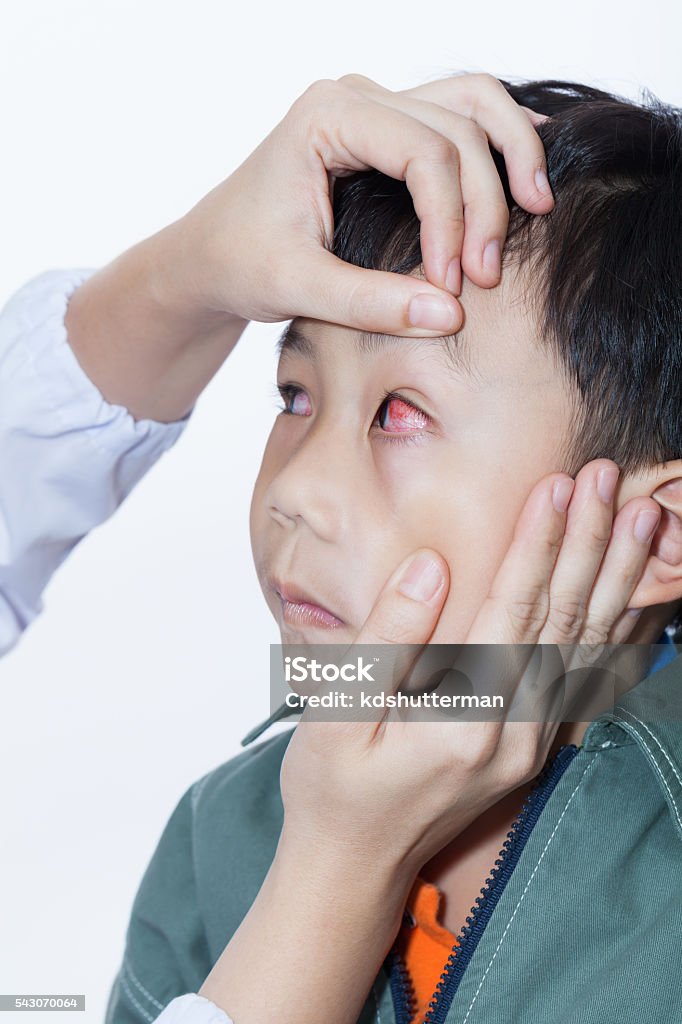
- Vision loss may carry stigma or fear in some cultures
- Patients may underreport symptoms due to fear of blindness
- Elderly patients may rely heavily on family decision-making
- Some patients may confuse vision correction with disease treatment
📌 Interpreter note:
Maintain neutrality while preserving culturally loaded expressions related to vision, aging, disability, and independence.
Interpreter Takeaways
- Eye care involves precise terminology and high emotional impact
- Distinguish clearly between optometry and ophthalmology
- Preserve diagnostic and procedural language exactly
- Expect frequent overlap with diabetes, geriatrics, pediatrics, and neurology
- Accuracy directly affects patient safety, consent, and long-term outcomes
This page titled 19.22.2: Wrap-up was last modified on Thu, 05 Nov 2026 01:45:12 GMT and is shared under a CC BY-NC 4.0 license and was authored, remixed, and/or curated by Sara Bradbury Máñez.
The book could not be loaded just now.