
Lapsuudenkoti
Translated by Helmi Krohn
Human-made only is on in this browser, so Project Gutenberg's machine summaries are left out. Settings.
"Lapsuudenkoti" by Selma Lagerlöf is a novel written in the early 20th century. It explores themes of childhood, family dynamics, and the contrasting personalities that affect relationships within a household. The story centers around a little girl named Selma and her experiences with her caretaker Mäki-Kaisa, who, despite her harsh demeanor, becomes a pivotal figure in Selma's life. At the start of the novel, we are introduced to Mäki-Kaisa, a stern and somewhat rough girl employed as a caregiver for the children of the Lagerlöf family. Although she shows a lack of warmth toward the children and struggles to connect with them, Mäki-Kaisa proves to be reliable in her duties. The opening chapters depict the children's interactions with her as they navigate their feelings of fear and admiration for her strength, culminating in a moment of vulnerability for Selma, who seeks Mäki-Kaisa's help when she feels powerless with her own ailments. This dynamic sets the foundation for the exploration of love, empathy, and the complexities of relationships within the context of a childhood home.
AI-generated Summary written by Project Gutenberg, by machine.
- Language
- Finnish (Suomi)
- On Project Gutenberg since
- 20 February 2025
- Read in the last 30 days
- 335 times at Project Gutenberg
More by Selma Lagerlöf
See all: More by Selma Lagerlöf
Die schönsten Geschichten der Lagerlöf
The Wonderful Adventures of Nils

Wunderbare Reise des kleinen Nils Holgersson mit den Wildgänsen: Ein Kinderbuch
Christ Legends
Valda Berättelser
The Story of Gösta Berling

Invisible Links

The Girl from the Marsh Croft

The Miracles of Antichrist: A Novel
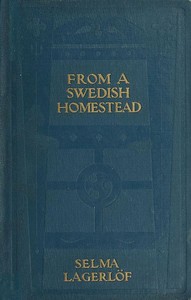
From a Swedish homestead

Bannlyst

The Emperor of Portugallia
Jerusalem
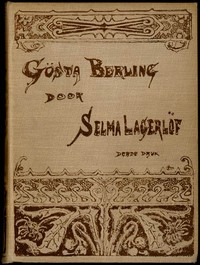
Gösta Berling
The Treasure

De Wonderen van den Antichrist

Le Merveilleux voyage de Nils Holgersson à travers la Suède

Peukaloisen retket villihanhien seurassa
Niels Holgersson's Wonderbare Reis
Mårbacka
More from the shelf “Nobel Prizes in Literature”
See all: More from the shelf “Nobel Prizes in Literature”
A farewell to arms
The Jungle Book

The Problems of Philosophy

The Lock and Key Library: Classic Mystery and Detective Stories: Modern English

Tractatus Logico-Philosophicus

Pygmalion

Siddhartha

Just so stories

Quo Vadis: A Narrative of the Time of Nero
Gitanjali
Buddenbrooks: Verfall einer Familie
The Sun Also Rises

Stray Birds
Demian

Laughter: An Essay on the Meaning of the Comic

Creative Evolution

Der Zauberberg. Erster Band

The sound and the fury

Man and Superman: A Comedy and a Philosophy