Crito
by Plato
Translated by Benjamin Jowett
"Crito" by Plato is a dialogue written around 399 BC. It depicts a conversation between Socrates and his friend Crito as Socrates awaits execution in prison. Crito urges Socrates to escape, offering money and refuge, but Socrates refuses. Through their debate about justice and injustice, Socrates personifies the Laws of Athens to argue that wrongdoing cannot be answered with wrongdoing. The dialogue presents an early statement of social contract theory.
Summary written by Project Gutenberg, by machine.
- Language
- English
- On Project Gutenberg since
- 1 March 1999
- Read in the last 30 days
- 3,059 times at Project Gutenberg
More by Plato
See all: More by Plato
The Republic of Plato
The works of Plato (Vol. 2 of 6)
The dialogues of Plato in five volumes, Vol. 2 (of 5)
The Project Gutenberg Works of Plato: An Index
De republiek van Plato
The works of Plato (Vol. 1 of 6)
Crito: Een dialoog van Plato
The Republic

Apology

Symposium
Phaedrus

Phaedo

Gorgias

Euthyphro

Meno

Theaetetus

Laws

Timaeus

Apology, Crito, and Phaedo of Socrates

Ion
More from the shelf “Harvard Classics”
See all: More from the shelf “Harvard Classics”
Pride and Prejudice
The Odyssey

Crime and Punishment
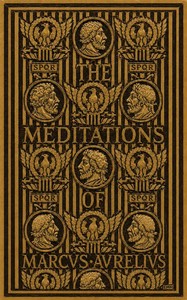
Meditations

The Prince

History of Tom Jones, a Foundling

The Confessions of St. Augustine

Leviathan

The Legend of Sleepy Hollow
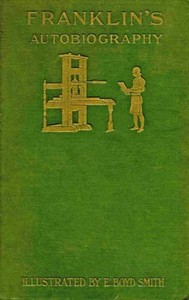
Autobiography of Benjamin Franklin

On the Origin of Species By Means of Natural Selection
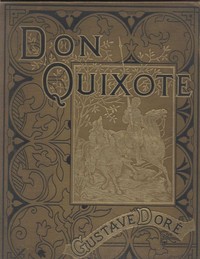
Don Quixote

An Inquiry into the Nature and Causes of the Wealth of Nations

Anna Karenina

The Sorrows of Young Werther
Apology

David Copperfield

Don Quijote

Essays by Ralph Waldo Emerson