Opening the book…
Immune System
The immune system protects the body from infection and abnormal cells. It includes immune cells, antibodies, and organs such as lymph nodes, spleen, and bone marrow.

Immune responses may be:
- Protective (fighting infection)
- Overactive (autoimmune disease)
- Suppressed (due to illness or medication)
Many immune disorders are systemic, meaning symptoms can affect multiple organs and appear vague or unrelated.
Why This Matters for Interpreters
Endocrine and immune disorders often involve:
- Long diagnostic timelines
- Non-specific symptoms
- Heavy use of lab values
- Emotional fatigue and frustration for patients
Precision, consistency, and neutrality are essential.
2 Common Conditions Encountered in Healthcare Settings
Thyroid Disorders
The thyroid regulates metabolism and energy balance.
Hypothyroidism
- Underactive thyroid
- Common symptoms: fatigue, weight gain, cold intolerance, depression
- Most common cause in the U.S.: Hashimoto’s disease (autoimmune)
Hyperthyroidism
- Overactive thyroid
- Common symptoms: weight loss, anxiety, heat intolerance, palpitations
- Common autoimmune cause: Graves’ disease
📌 Interpreter note:
Patients often describe symptoms emotionally (“I feel off,” “I’m exhausted all the time”) while providers rely on lab values. Render both faithfully.
Autoimmune Disorders
Autoimmune conditions occur when the immune system attacks the body’s own tissues.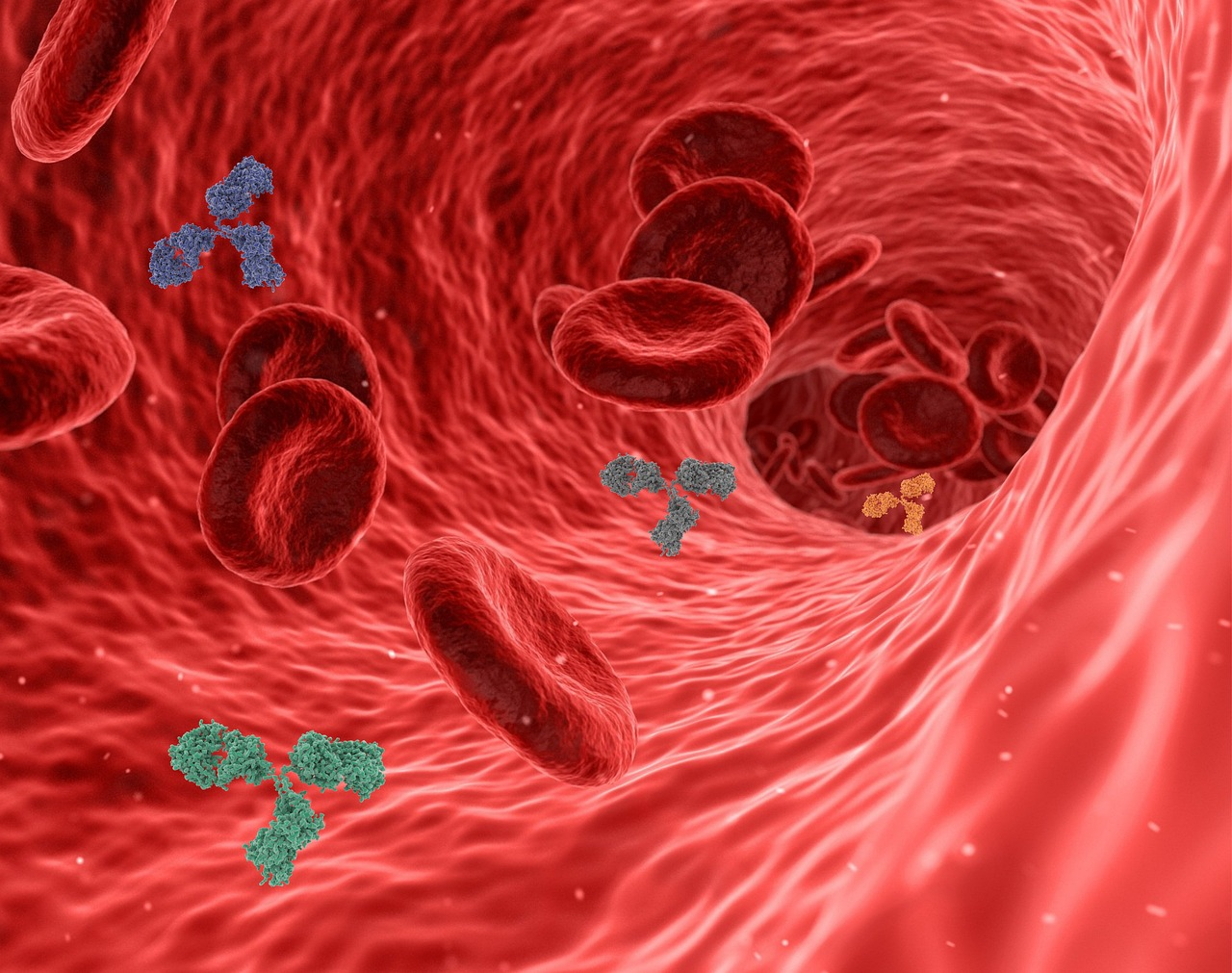
Examples frequently encountered:
- Hashimoto’s thyroiditis
- Graves’ disease
- Lupus (SLE)
Lupus
- A systemic autoimmune disease
- Symptoms may include joint pain, fatigue, rashes, organ involvement
- Often fluctuates between flares and remission
📌 Interpreter note:
Autoimmune does not mean contagious. Many patients fear stigma or misunderstanding.
3 Diagnostic Processes and Key Lab Terms
Endocrine and immune diagnoses rely heavily on objective data.
Common labs interpreters will hear:
- TSH (thyroid-stimulating hormone)
- T3 / T4 (thyroid hormones)
- Antibody tests (e.g., thyroid antibodies, ANA)
- Inflammatory markers
Providers often discuss:
- “Levels”
- “Ranges”
- “Normal vs abnormal”
- “Trending up/down”
📌 Interpreter caution:
Do not summarize lab explanations. Preserve numbers, comparisons, and qualifiers exactly as stated.
4 Pharmacology (By System – Interpreter Overview)
Thyroid Medications
- Levothyroxine (thyroid hormone replacement)
- Antithyroid medications (used in hyperthyroidism)
- Dosing is often adjusted gradually based on lab results
Immune-Related Medications
- Steroids (e.g., prednisone)
- Immunosuppressants
- Biologic therapies (may be discussed by specialists)
📌 Interpreter safety note:
Never explain medication mechanisms, side effects, or dosing independently. Redirect questions to the provider using first-person protocol.
This page titled 19.4.1: Immune System was last modified on Thu, 05 Nov 2026 01:45:10 GMT and is shared under a CC BY-NC 4.0 license and was authored, remixed, and/or curated by Sara Bradbury Máñez.
The book could not be loaded just now.