Opening the book…
Medications in Dermatology
Topical Medications
- Corticosteroids (hydrocortisone, triamcinolone, clobetasol)
- Vary by potency
- Overuse can thin the skin
- Antifungals (clotrimazole, ketoconazole)
- Topical antibiotics (mupirocin)
Oral Medications
- Antibiotics (doxycycline, cephalexin)
- Antihistamines (cetirizine, diphenhydramine)
- Isotretinoin (Accutane)
- Used for severe acne
- Requires pregnancy prevention counseling
- Monthly labs and monitoring
Injectable / Biologic Therapies
Used for conditions like severe psoriasis or autoimmune skin diseases:
- Adalimumab
- Etanercept
- Ustekinumab
📌 Interpreter note: These medications often require long-term adherence and risk counseling.
Interpreter Considerations in Dermatology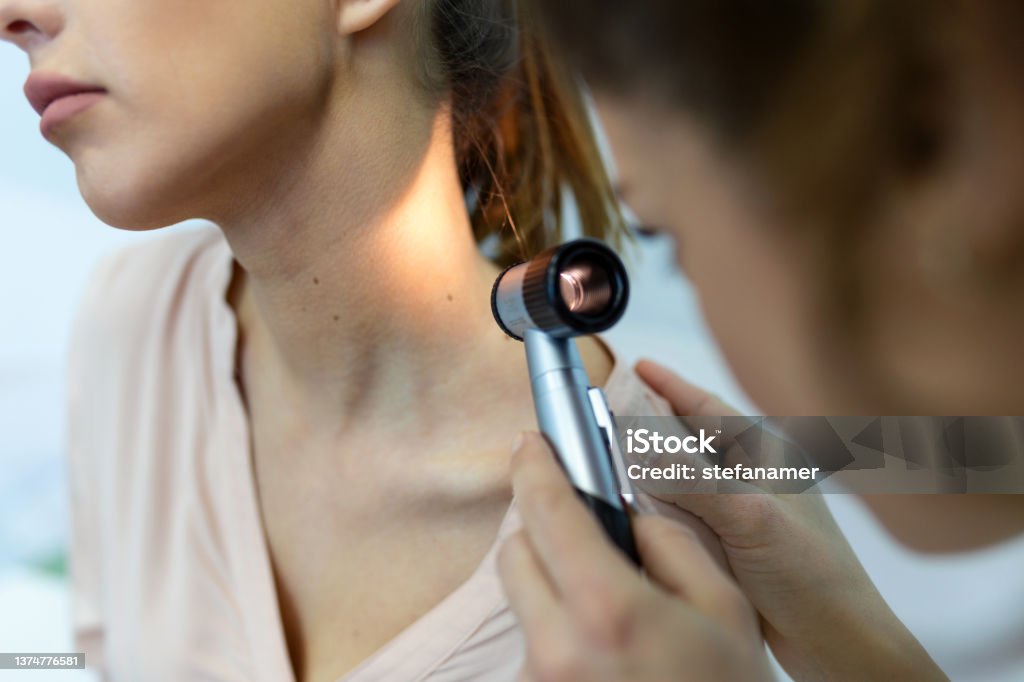
- Be precise with visual descriptors
- Preserve distinctions between itching, pain, burning
- Maintain neutrality during cosmetic or appearance-related discussions
- Do not offer skincare advice or personal opinions
- Clarify medication routes (topical vs oral vs injectable)
✅ Key Takeaway
Dermatology interpreting requires attention to visual detail, medication safety, and patient education. Accurate interpretation supports proper diagnosis, treatment adherence, and patient confidence—especially when conditions affect quality of life or involve cancer care.
This page titled 19.7.2: Medications was last modified on Thu, 05 Nov 2026 01:45:10 GMT and is shared under a CC BY-NC 4.0 license and was authored, remixed, and/or curated by Sara Bradbury Máñez.
The book could not be loaded just now.