Opening the book…
🧪 Medications and Therapies Used in Oncology
Cancer treatment varies based on cancer type, stage, grade, and patient factors such as age, overall health, and comorbidities. Interpreters must recognize medication categories and common drug names, even though they are not responsible for explaining them.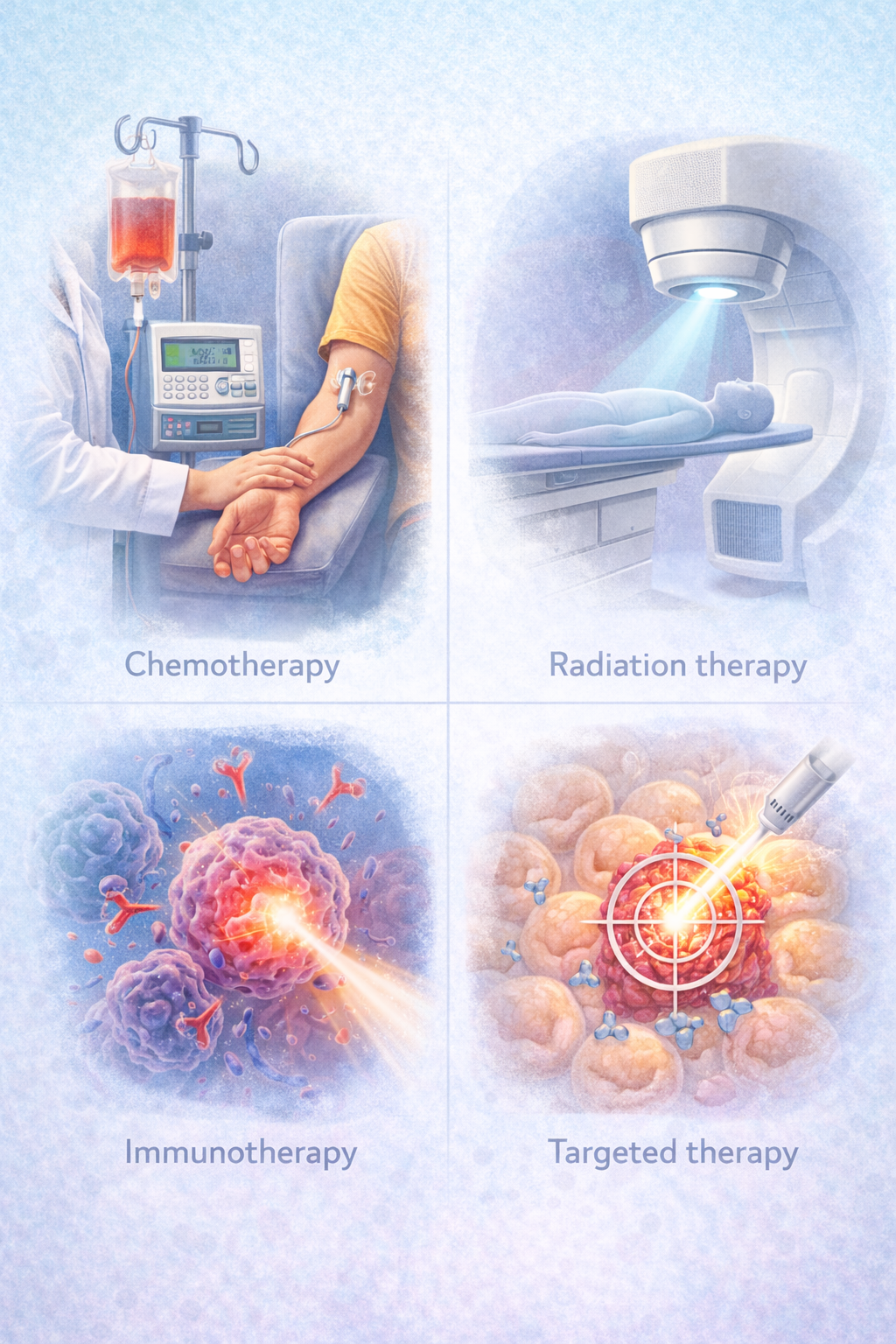
1. Chemotherapy
Chemotherapy uses drugs that kill rapidly dividing cells. It may be given orally, intravenously, or through injections.
Common chemotherapy drugs you may hear:
- Methotrexate
- Cyclophosphamide
- Doxorubicin
- Vincristine
- Cisplatin
📌 Interpreter note: Patients may refer to chemotherapy simply as “chemo,” while providers may use specific drug names or abbreviations (for example, “CHOP regimen”). Interpret exactly what is said.
2. Targeted Therapy
Targeted therapies focus on specific genetic or molecular features of cancer cells, sparing more healthy cells than traditional chemotherapy.
Examples:
- Imatinib (used in certain leukemias)
- Trastuzumab (HER2-positive cancers)
- Erlotinib
3. Immunotherapy
Immunotherapy helps the patient’s immune system recognize and attack cancer cells.
Common immunotherapy drugs:
- Pembrolizumab
- Nivolumab
- Ipilimumab
📌 These drugs are often called “immune checkpoint inhibitors.”

4. Hormonal Therapy
Used in hormone-sensitive cancers such as breast or prostate cancer.
Examples:
- Tamoxifen
- Letrozole
- Leuprolide
5. Radiation Therapy
Uses high-energy beams to destroy cancer cells. Radiation is not a medication but is often discussed alongside drug therapy.
Types include:
- External beam radiation
- Brachytherapy (internal radiation)
6. Supportive and Adjunct Medications
These medications do not treat cancer directly but manage side effects and complications.
Common examples:
- Antiemetics (for nausea): ondansetron, prochlorperazine
 Pain medications: acetaminophen, opioids
- Growth factors: filgrastim
- Steroids: dexamethasone
7. Oncology Medications by Cancer Type (High-Level)
- Leukemia (including Acute Lymphoblastic Leukemia):
- Combination chemotherapy regimens
- Steroids
- Targeted therapies (depending on subtype)
- Solid tumors (breast, lung, colon, prostate):
- Surgery
- Radiation
- Chemotherapy
- Hormonal therapy (when applicable)
📌 Interpreter note: Treatment plans are often discussed using acronyms, timelines, cycles, and staging language. Maintain precision and request repetition if needed.
🧠 Risk Factors
Common cancer risk factors include:
- Age
- Family history
- Genetic mutations
- Smoking
- Environmental exposures
- Certain infections (HPV, hepatitis B/C)
This page titled 19.9.2: Medications was last modified on Thu, 05 Nov 2026 01:45:15 GMT and is shared under a CC BY-NC 4.0 license and was authored, remixed, and/or curated by Sara Bradbury Máñez.
The book could not be loaded just now.