Opening the book…
3. Speech-Language Pathology (SLP)
Speech-Language Pathologists address communication, cognition, voice, and swallowing disorders.
Areas of practice include:
- Speech articulation and fluency

- Language comprehension and expression
- Cognitive-communication skills (attention, memory)
- Swallowing disorders (dysphagia)
- Pediatric speech and language development
Common SLP encounters:
- Speech assessments
- Swallow studies and bedside evaluations
- Language development therapy
- Cognitive rehabilitation after brain injury or stroke
Interpreter considerations:
- Some sessions test language itself, which can be complex for interpreters
- Providers may request verbatim repetition of patient responses
- Clarify expectations with the provider before the session when possible
4. Interpreter Role in Rehabilitation Encounters
Rehabilitation sessions differ from traditional medical interviews because they are:
- Highly interactive
- Instruction-heavy
- Movement-based
- Repetitive by design
Best practices for interpreters:
- Maintain neutral positioning without obstructing movement
- Interpret instructions exactly as given
- Preserve provider tone and pacing
- Avoid coaching or assisting physically unless explicitly requested for safety
📌 Interpreter Safety Note:
Do not physically assist patients with mobility unless instructed by clinical staff. Your role is communication, not physical support.
5. Common Conditions Seen in Rehabilitation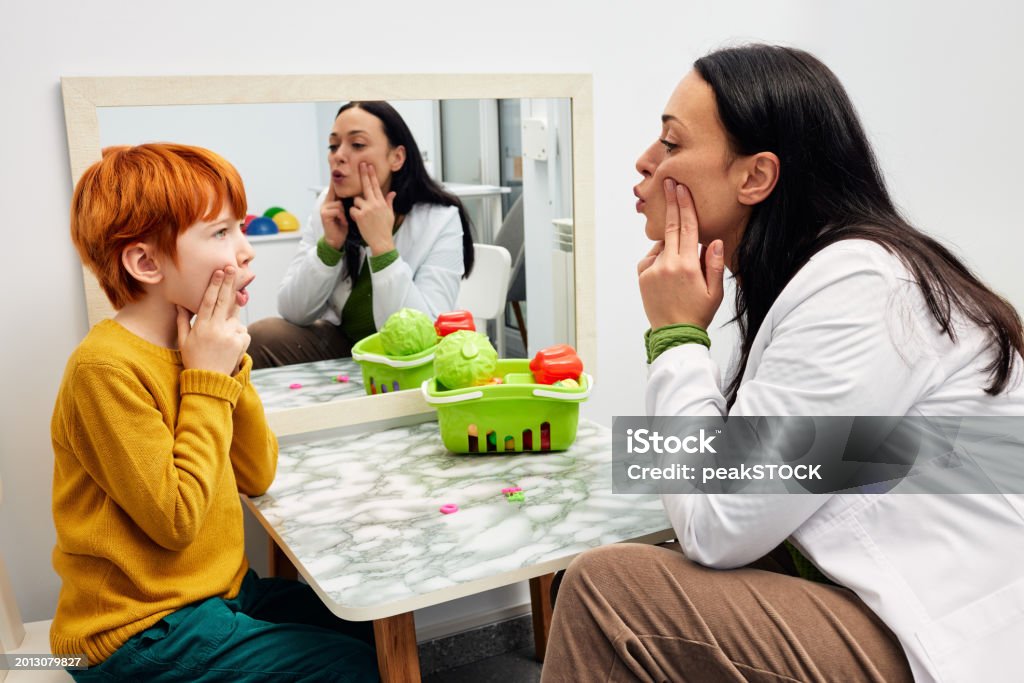
- Stroke
- Orthopedic injuries (fractures, sprains)
- Carpal tunnel syndrome
- Repetitive strain injuries
- Low back pain
- Parkinson’s disease
- Developmental delays
- Post-surgical recovery
- Chronic pain syndromes (e.g., fibromyalgia)
This page titled 19.23.1: Continued was last modified on Thu, 05 Nov 2026 01:45:09 GMT and is shared under a CC BY-NC 4.0 license and was authored, remixed, and/or curated by Sara Bradbury Máñez.
The book could not be loaded just now.