Opening the book…

En la picantería
Willy Nava (Arequipa, Perú)
Sobre el autor: Willy Nava nació en Arequipa en 1934. En 1964 ganó el premio al mejor pintor latinoamericano de acuarelas. Actualmente vive en Miami y frecuentemente tiene exhibiciones por todo los Estados Unidos. Sus obras representan su carácter latinoamericano con paisajes urbanos y naturales, naturaleza muerta y la forma humana.
Learning Objectives
At the end of this chapter, students will be able to perform the following tasks in Spanish:
- I can talk about my health
- I can narrate a simple story from the past
- I can advise on familiar topics
Vocabulario
- Parts of the body
- Health and Medical Terms and Conditions
Mosaicos culturales
Las costumbres: los remedios caseros
Estructuras gramaticales
10.1 Narrating Past Experiences: The Imperfect in Contrast to the Preterite
10.2 ¿Qué? vs. ¿Cuál?
10.3 Influencing Others: TÚ (familiar) Commands
Cultura
País: Perú
Música: Gian Marco
Personalidad: Mario Vargas Llosa
Lectura
Machu Picchu: un viaje por el tiempo
El cuerpo humano (The Human Body)

*Barriga (Stomach)
Other words for stomach:
- Estómago (standard)
- Panza (México.)
- Tripa (Spain)
- Guata (Chile)
Vocabulario: La salud (Health)
| El cuerpo | The Body |
|---|---|
| la boca | mouth |
| el brazo | arm |
| la cabeza | head |
| el corazón | heart |
| el cuello | neck |
| el cuerpo | body |
| el dedo | finger |
| el dedo del pie | toe |
| el estómago | stomach |
| la garganta | throat |
| el hueso | bone |
| la nariz | nose |
| el oído | inner ear / hearing |
| el ojo | eye |
| la oreja | outer ear |
| el pie | foot |
| la pierna | leg |
| los pulmones | lungs |
| la rodilla | knee |
| el tobillo | ankle |
| Note: Other words for stomach: la panza, la tripa, la guata, la barriga | |
¡Inténtalo!
| La salud | Health |
|---|---|
| el accidente | accident |
| el antibiótico | antibiotic |
| la aspirina | aspirin |
| la clínica | clinic |
| el consultorio | doctor’s office |
| el / la dentista | dentist |
| el / la doctor (a) | doctor |
| el / la enfermero (a) | nurse |
| el examen médico | physical exam |
| la farmacia | pharmacy |
| el hospital | hospital |
| la infección | infection |
| la medicamento | medication |
| la medicina | medicine |
| la operación | operation |
| el / la paciente | patient |
| la pastilla | pill |
| la radiografía | X-ray |
| la receta | prescription |
| la sala de emergencia | emergency room |
| la salud | health |
| la sangre | blood |
| el síntoma | symptom |
¡Inténtalo!
| Verbos | Verbs |
|---|---|
| caerse | to fall (down) |
| darse con | to bump into |
| doler | to hurt |
| enfermarse | to get sick |
| estar enfermo (a) | to be sick |
| lastimarse | to injure |
| poner una inyección | to give an injection |
| recetar | to prescribe |
| romperse; quebrarse | to break |
| sacarse un diente (una muela) | to have a tooth removed |
| sufrir una enfermedad | to suffer an illness |
| tener dolor | to have pain |
| tener fiebre | to have a fever |
| torcerse (el tobillo) | to sprain (one’s ankle) |
| toser | to cough |
¡Inténtalo!
| Los síntomas | Symptoms |
|---|---|
| con TENER | with to have |
| (la) tos | a cough |
| (la) fiebre | a fever |
| (una) infección | an infection |
| (la) gripe | the flu |
| alergía a | allergies |
| dolor de cabeza | a headache |
| dolor de espalda | back pain |
| dolor de garganta | a sore throat |
| (un) resfriado; catarro | a cold |
| la nariz tapada | a stuffy nose |
| los oídos tapados | plugged ears |
| náuseas | upset stomach |
| mala salud | bad health |
| con ESTAR | with to be |
| enfermo (a) | sick |
| embarazada | pregnant |
| mareado (a) | dizzy |
| adolorido (a) | sore |
| resfriado | “I have a cold” |
| en buena forma | in good shape |
¡Inténtalo!
| Medicinas comunes | Common Medicines |
|---|---|
| el antiobiótico | antibiotic |
| la aspirina | aspirin |
| el calmante | tranquilizer |
| la curita; tirita | Band-Aid |
| gotas para (los ojos) | eye drops |
| guardar cama | stay in bed |
| el jarabe | cough syrup |
| la inyección | injection |
| hacer gárgaras | to gargle |
| el medicamento | medication |
| la pastilla | pill; lozenge |
| la receta | prescription |
| el té de manzanilla | chamomile tea |
¡Inténtalo!
| Adjetivos | Adjectives |
|---|---|
| saludable | healthy |
| sano (a) | healthy |
| Sugerencias y remedios médicos | Medical Advice and Remedies |
|---|---|
| dejar de fumar | to quit smoking |
| guardar cama | to stay in bed |
| hacer una cita | to make an appointment |
| mejorarse | to get better; well |
| operar | to operate |
| respirar | to breath |
| tomarse la presión | to take one’s blood pressure |
| la temperatura | temperature |
¡Inténtalo!
| ¡Espero que te sientas mejor! I hope you feel better! |
|---|

En el consultorio médico. Listen to the following dialogue between Alicia García and Doctor Smith. Mrs. García does not feel well.

Doctora: ¿Usted habla inglés?
Alicia: Muy poco. Lo siento.
Doctora: No hay problema. ¿Cómo se siente? ¿Dónde le duele?
Alicia: Me duele la garganta y tengo la nariz tapada.
Doctora: ¿Tiene tos?
Alicia: Sí, un poco.
Doctora: ¿Es usted alérgica a alguna medicina?
Alicia: No, no soy alérgica a los antibióticos, pero sufro de presión alta.
Doctora: Voy a tomarle la presión ahora.
Alicia: Está bien.
Doctora: Sus síntomas son de un resfriado. Necesita tomar muchos líquidos, descansar y tomar un jarabe para la tos.
Alicia: Muchas gracias, doctora. ¡Hasta luego!
Doctora: ¡Hasta luego! Y espero que se sienta mejor.
 Comprensión. Based on the dialogue, indicate if the following statements are true (VERDADERO) or false (FALSO). If false, write the correct information.
- La señora García tiene síntomas de la gripe. V F
- La doctora Smith le recomienda a Alicia tomar líquidos y descansar. V F
- Alicia es alérgica a la penicilina. V F
Actividad # 1
¿QUÉ LE DUELE…? (What does it hurt…?) Look at the following pictures and describe what it hurts. Use the following:
| Le duele el / la parte del cuerpo Ejemplo: Le duele LA CABEZA Le duelen los / las parte del cuerpo Ejemplo: Le duelen LOS PIES |
|---|
 A ella __________________________.
 Al chico_________________________.

A la señora _________________________.
 Al señor___________________________.
 Al niño_____________________________.
 A Pedrito____________________________.
¡Inténtalo!
Actividad # 2
Asociaciones. What part (s) of the body do you associate with…
- Un resfriado ________________________________.
- La presión alta ______________________________.
- Una fiebre _________________________________.
- Las alergias ________________________________.
- La tos ____________________________________.
- El dolor ___________________________________.
Actividad # 3
¿Qué medicina necesito tomar? With a partner, take turns playing the following roles:
Estudiante 1: Will talk about experiencing some symptoms (síntomas).
Estudiante 2: Will advise on what to take or do. You may use words from our vocabulary, name brands, or remedios caseros – home remedies.
Ejemplo:
E1: Tengo dolor de garganta.
E2: Necesitas hacer gárgaras con agua tibia (lukewarm) y sal.
- Tengo tos.
- Tengo fiebre.
- Me duele la espalda.
- Tengo una infección de oído.
- Estoy mareado (a).
- Estoy resfriado (a).
- Tengo alergias temporales* (seasonal).
Actividad # 4
Los remedios caseros. Does your family have any home remedies that you like to use? Write three sentences about how you take care of yourself without taking medicine.
___________________________________________________________________.
___________________________________________________________________.
___________________________________________________________________.
Actividad # 5
Preguntas personales. Practice the following questions about your health with a partner.
Estudiante A
- ¿Vas al doctor cada año para un examen médico?
- ¿Te duele la cabeza a menudo (often)?
- ¿Qué tomas cuando tienes un resfriado?
- ¿Tienes buena salud?
Estudiante B
- ¿Eres alérgico(a) a algo? ¿A qué?
- ¿Te resfrías con frecuencia?
- ¿Con qué frecuencia visitas al médico?
- ¿Cuándo tomas antibióticos?
Mosaicos culturales: Los remedios caseros
Tómate un tecito con miel
Cuando no te sientes bien o te duele algo, es común tomar una infusión de hierbas o flores. El conocimiento de la herbolaria prehispánica tiene una influencia muy importante para el control de las enfermedades aun en nuestros días (present time).
Por ejemplo: un té de manzanilla para el dolor de estómago, un té de tila para dormir mejor, uno de canela para la tos seca, valeriana para la ansiedad, etc., son sugerencias comunes para mejorar la salud.

Y ahora ustedes…
- ¿Qué tomas cuando no te sientes bien?
- ¿Tomas té? ¿Qué tipo de té tomas?
Remedios caseros
Además de la infusiones existen muchos remedios caseros, que se usan como la alternativa más común para resolver problemas de salud. Por ejemplo, poner café molido en una herida pequeña para detener (to stop) la sangre. Usar el jugo de las hojas de sábila (Aloe vera) para reducir cicatrices (scars).

Y ahora ustedes….
- ¿Conoces algún remedio casero?
- ¿Usas remedios caseros cuando estás enfermo(a)?
10.1 Gramática: Pretérito vs. Imperfecto- The Preterite and the Imperfect
Now that you have learned and used the preterite (capítulos 6 and 7 ) and imperfect (cap. 9), in this chapter, you will begin to use them together to talk about the past. The preterite and the imperfect are not interchangeable. The choice between these two tenses depends on the speaker’s context and point of view.
The following table summarizes the uses of both tenses:
| PRETERITE (NARRATES ACTIONS) | IMPERFECT (DESCRIBES the conditions / sets the stage) |
|---|---|
| 1. To express actions or events that the speaker views as completed.
Mi hija se rompió el brazo. Fui al concierto la semana pasada. |
1. Progression of action with no focus on beginning or end.
Ella esperaba a la enfermera. La doctora se preocupaba por sus pacientes. |
| 2. To narrate completed actions in succession.
La enfermera me pesó, me tomó la presión y me hizo muchas preguntas. |
2. Express habitual past actions and events.
Cuando era joven, jugaba fútbol. Mi hermana siempre se enfermaba en diciembre. |
| 3. To narrate completed action within a SPECIFIC time period.
Estudié por dos horas anoche. Yo viví en Colombia por 17 años. |
3. To describe physical and emotional states or characteristics.
El chico se sentía mal y tenía fiebre. Yo tenía mucho miedo cuando iba al dentista y quería correr. |
| 4. To express a summary or reaction statement (To end a story in the past).
Fue un verano perfecto. |
4. To describe background details such as TIME, LOCATION, WEATHER, and AGE.
Eran las tres de la tarde y hacía mucho frío. En 1982, tenía 16 años. |
SUMMARY
- The preterite tells us specifically when an action took place. (PRETERITO NARRATES COMPLETED ACTIONS in the past).
- The imperfect tells us in general when an action took place. (IMPERFECTO DESCRIBES ACTIONS in the past).
Ayuda. Certain words and expressions are commonly associated with the preterite and others with the imperfect.
| Pretérito (for a review, see Chapters 6 and 7)
ayer |
Imperfecto (for a review, see Chapter 9)
de niño (a) |
|---|
Gramática en acción: En el consultorio de la Dra. Gómez

Dra. Gómez: ¿Cuando empezó a sentir la presión alta?
Sra. Pérez: Anoche. Estaba durmiendo y de repente, me desperté y me sentía muy mareada y tenía dolor de cabeza.
Dra. Gómez: ¿Tomó algún medicamento?
Sra. Pérez: No, no tomé ningún medicamento, solo tomé agua.
Dra. Gómez: Bueno, ahora la tiene normal. No se preocupe.
Note: the use of preterito vs. imperfecto.
- Verbs that indicate actions: empezó, me desperté, tomó, tomé.
- Verbs that indicate conditions or descriptions: estaba, me sentía, tenía.
| * The preterite and the imperfect often appear in the same sentence. In those cases, the imperfect DESCRIBES what was happening, while the preterite narrates the ACTION that interrupted the ongoing activity. |
|---|
Yo estaba en la oficina del doctor, cuando sonó mi teléfono.
I was at the doctor´s office when my phone rang.
Yo hacía mi tarea cuando llegó mi novio.
I was doing my homework when my boyfriend arrived.
* You will also see the pretérito and the imperfecto together in fiction, news, and the retelling of events. The imperfecto provides the background information (time, weather, and location), while the pretérito indicates the specific events that occurred.
Manuel Elkin Patarroyo Murillo es un médico colombiano que nació el 3 de noviembre de 1949.

En 1986 el equipo dirigido por Patarroyo descubrió una vacuna sintética contra la malaria, enfermedad que causaba tres millones de muertes al año. Esta enfermedad parecía haberse erradicado en muchas partes del mundo. Sin embargo, (However) justo cuando el Dr. Patarroyo terminó de elaborar la inmunización, los casos de malaria empezaban a aumentar.
A pesar de las suculentas ofertas económicas que recibió, Patarroyo, decidió donarle la vacuna a la Organización Mundial de la Salud (OMS) con la única condición que su producción y su comercialización se hicieran en su país. Esta acción desinteresada le reportó numerosos premios y distinciones y también el reconocimiento de la opinión pública mundial.
Actividad # 1
Choose the preterite or the imperfect to complete the following sentences. Then, explain why you chose that verb tense.
- Hace dos semanas, yo (iba / fui) al médico y me (dijo / decía) que necesito tomar vitamina D.
- La niña (tosió / tosía) una vez, mientras la enfermera le (tomó / tomaba) la temperatura.
- De niña, a mi hermana no le (gustó / gustaba) tomar medicamentos.
- El año pasado (tuve / tenía) un accidente y me (quebré / quebraba) una pierna.
- Cuando (fuimos / éramos) niños, le (teníamos / tuvimos) mucho miedo a la llorona.
¡Inténtalo!
Actividad # 2
Ricitos de oro. Pretérito vs. Imperfecto. Choose the correct form of the verb according to the context. (Click on the correct answer)

Vocabulario útil
Había una vez imperfecto Once upon a time there was…
Un día… pretérito
el bosque forest
enfriar to cool
¡Inténtalo!
Actividad # 3
Lo mejor de estar enferma (the best part of being sick).

Paso 1. Complete the sentences conjugating the verbs with the correct tense of pretérito or imperfecto as needed.
1. Cuando yo (ser) niña, (pensar) que lo mejor de estar enferma (ser) pasar el día en casa y no ir a la escuela.
_____________________________________________________________________.
2. Lo peor (the worst) (ser) que yo me (enfermar) frecuentemente durante las vacaciones de Navidad.
_____________________________________________________________________.
3. Una vez durante la Navidad (tener) que ir al médico porque yo (tener) una fiebre muy alta.
_____________________________________________________________________.
4. La Dra. Gómez (darme) una receta para antibióticos porque (tener) una infección de garganta.
_____________________________________________________________________.
5. Yo no (estar) contenta porque no (poder) hablar, comer galletas ni jugar con mis primos.
_____________________________________________________________________.
6. En resumen, (ser) la peor Navidad de mi vida.
_____________________________________________________________________.
¡Inténtalo!
Paso 2. Now, retell the story from the mother’s point of view.
Ejemplo: Cuando mi hija era niña, pensaba que lo mejor…
______________________________________________________________________
______________________________________________________________________
______________________________________________________________________
______________________________________________________________________.
Actividad # 4
Cuántos años tenías cuando… (how old were you when…). Find out how old your compañeros were when they did the following. Follow the example.
Ejemplo: ver el mar por primera vez. (need to conjugate the verb in the pretérito)
E1: ¿Cuántos años tenías cuando VISTE el mar por primera vez?
E2: Tenía 17 años.
Estudiante 1 ¿Cuántos años tenías cuando…?
- ir al médico por primera vez
- aprender a montar en bicicleta
- tener tu primera cita (date) romántica
- ver el mar por primera vez
Estudiante 2 ¿Cuántos años tenías cuando…?
- viajar en avión por primera vez
- aprender a nadar
- tener tu primer trabajo
- conseguir tu licencia de manejar
La leyenda del espantapájaros (short film)
Temas: percepciones, prejuicios, soledad y deseo de amistad e interacción social.
Paso 1. Get familiar with the vocabulario útil.
|
Vocabulario útil |
|
|---|---|
| Espantapájaros | scarecrow |
| Campo de trigo | wheat field |
| Cuervo | crow |
| Ciego | blind |
| Amo | master |
| Molino | windmill |
| Cenizas | ashes |
| Érase una vez | once upon a time |
| Semillas | seeds |
| Aves | birds |
| Asustar | to scare |
| Aterrorizado | frightened |
| Bufanda | scarf |
| Luto | mourning |

Paso 2. Mirar el video (10 minutos). Cortometraje escrito y dirigido por Marco Besas. Director de animación y dibujos: Carlos Lascano.
Paso 3. Preguntas. Work with a partner and respond to the following questions about the video. Be prepared to share your responses with the class.
- Al principio, ¿Cómo se sentía el espantapájaros?
- ¿Por qué tenían miedo los pájaros?
- Tradicionalmente, ¿cuál era el trabajo de los espantapájaros?
- ¿Qué hizo el espantapájaros cuando vio al cuervo ciego?
- ¿Cómo reaccionó el amo cuando el espantapájaros vino a hablar con él?
- ¿Qué hicieron el amo y las personas del pueblo contra (against) el espantapájaros?
- ¿Cómo reaccionaron las aves cuando vieron que el espantapájaros estaba muerto?
- ¿Cuál es el mensaje de la historia?
Paso 4. Un final diferente. Write a different ending for this story. Then, share it with the class.
______________________________________________________________________
______________________________________________________________________
______________________________________________________________________.

10.2 Gramática: ¿Qué? vs. ¿Cuál / Cuáles? (What vs. Which / Which ones)
When it comes to asking questions, choosing between ¿QUÉ? And ¿CUÁL? can be tricky, mainly because both words can often be translated as WHAT? However, they are not interchangeable.
You will understand how to use them correctly by learning how to use them together with verbs, nouns, and prepositions.
| ¿QUÉ? | ¿CUÁL? ¿CUÁLES? (plural noun) |
|---|---|
| 1. To ask for a definition.
¿Qué es…? ¿Qué es esto? What is this? |
1. Always use CUÁL before the verb to be, except when you ask for a definition.
¿Cuál es…? (Choice among many things) ¿Cuál es tu número de teléfono? |
| 2. Use before verbs to ask what someone is doing, will do, has done, what someone wants, wanted, or will want.
¿Qué verb…? ¿Qué quieres comer? |
2. If your question invites the respondent to select from a limited number of choices that have previously been referred to.
¿Cuál verb…? (which one…) Tengo agua y jugo de naranja. ¿Cuál quieres? |
| 3. You always use QUÉ before a noun most frequently.
¿Qué noun…? ¿Qué película viste anoche? *Which film did you see last night? ¿Qué clases necesitas tomar? *In English, these questions will use which. |
3. When you need to ask or express a more explicit choice.
¿Cuál de…? (which of ‘noun’) ¿Cuál de tus hermanos vive en Arizona? Which of your siblings lives in Arizona? ¿Cuál de estos dos libros quieres leer? Which of these two books do you want to read? |
Actividad # 1
¿Qué vs. ¿Cuál / cuáles? Complete the questions with qué or cuál / cuáles depending on the context. Then, answer the questions.
Ejemplo:
¿Cuál es la fecha de hoy? Es el 11 de noviembre.
- ¿_______ día es hoy?
- ¿_______ es tu clase favorita?
- ¿_______ tipo (type) de comida te gusta?
- ¿_______ de estos dos libros es tuyo (yours)?
- ¿_______ es un flan?
- ¿_______ es tu dirección?
- ¿_______ son tus películas favoritas?
- ¿_______ opinas?
9. ¿_______ quieres comer esta noche?
¡Inténtalo!
Actividad # 2
Entrevista: los gustos y preferencias.
Paso 1. Using Qué or Cuál (Cuáles), write the appropriate questions to learn about your classmate’s likes and preferences.
Ejemplo:
Comida favorita → ¿CUÁL es tu comida favorita?
- pasatiempos o deportes
- tipo de libros (leer)
- postre favorito
- tu show favorito en Netflix
- música favorita
- no te gusta
Paso 2. Use the questions in paso 1 to interview a compañero (a).
Additional Video about the difference between QUÉ vs. CUÁL
10.3 Gramática: Los mandatos familiares –Tú (familiar) Commands-
Commands are used to give orders or advice. The tú commands (familiar) are used when you want to give an order or advice to someone you usually address with the familiar tú.
A. Affirmative tú commands (+) los mandatos familiares afirmativos
| infinitive | tú command (+) |
|---|---|
| hablar | habla |
| tomar | toma |
| comer | come |
| oir | oye |
| dormir (o:ue) | duerme |
| leer | lee |
| dar (me) | dame |
| ver | ve |
*Las terminaciones regulares
-ar → -a
-er / -ir → -e
*same for as the él / ella form of the present tense.
| 1. Me duele la cabeza. My head hurts. |
Toma una aspirina. Take an aspirin. |
|---|---|
| 2. Tengo gripe. I have the flu. |
Descansa mucho. Rest a lot. |
| 3. Me duele el estómago. My stomach hurts. |
Bebe agua con limón. Drink water with lemon. |
The following verbs have irregular affirmative tú commands.
| decir | di | salir | sal |
|---|---|---|---|
| hacer | haz | ser | sé |
| ir | **ve | tener | ten |
| poner | pon | venir | ven |
Haz los ejercicios todos los días.
Do the exercises every day.
Sé buena gente, *invítame a un café.
Be nice and treat me to a cup of coffee.
*Attach them at the end of the verb when using pronouns with commands ( ).
**The context will clarify the meaning since IR and VER have the same tú command (VE).
Ve al médico ahora mismo. Ve la película Coco, es muy buena.
Go to the doctor right now. Watch the movie Coco, it is very good.
B. Negative tú commands (-) los mandatos familiares negativos
| infinitive | present YO form | tú command (-) |
|---|---|---|
| hablar | hablø | no hables |
| tomar | tomø | no tomes |
| comer | comø | no comas |
| *jugar (u:ue) | juegø | no juegues |
| dormir (o:ue) | duermø | no duermas |
| ver | veø | no veas |
| salir | salgø | no salgas |
*Las terminaciones regulares
-ar → -es
-er / -ir → -as
*Drop the final -o of the yo form of the present tense and add these endings.
No salgas afuera, estás muy enfermo.
Don’t go out, you are very sick.
No tomes agua fría.
Don´t drink cold water.
*Verbs ending in –car, –gar and –zar have a spelling change in the negative tú commands.
buscar: c → qu, no busques en Wikipedia.
almorzar: z → c, no almuerces en Jack in the Box.
jugar: g → gu, no juegues más.
The following verbs have irregular negative tú commands.
| dar | no des |
|---|---|
| estar | no estés |
| ir | no vayas |
| saber | no sepas |
| ser | no seas |
No vayas a la escuela hoy.
Don’t go to school today.
No *me des nada para mi cumpleaños.
Don’t give me anything for my birthday.
*When using pronouns with commands (-), place them before the verb.
Actividad # 1
¡A conjugar! Let’s build our knowledge. Convert the infinitive verbs to an affirmative command ( + ). Follow the example.
| english | infinitive | present él / ella form | tú command (+) |
|---|---|---|---|
| to drink | beber | bebe | bebe |
| to read | |||
| to eat | |||
| to follow | |||
| to give | |||
| to rest | |||
| to go to bed | |||
| *to go | |||
| *to do | |||
| *to say |
Convert the infinitive verbs to a negative command (-). Follow the example.
| english | infinitive | present yo form | tú command (-) |
|---|---|---|---|
| to arrive | llegar | llegø | no llegues |
| to speak | |||
| to sleep | |||
| to start | |||
| to drive | |||
| *ir | |||
| *ser | |||
| *estar |
Actividad # 2
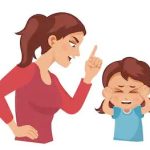
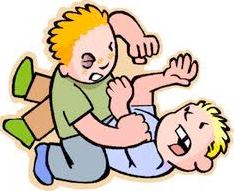
¡A regañar a los niños! Let’s reprimand the kids! With a partner, describe what commands (affirmative and negative) these parents give their children.




Actividad # 3
Consejos médicos. Talk to your compañero (a) and ask for their suggestions for the following symptoms. Use commands ( or -).
Ejemplo:
E1: Me duele la garganta
E2: HAZ gárgaras con agua y limón. (or No hables mucho)
| Acciones útiles | |||
|---|---|---|---|
| tomar aspirina | descansar | tomar más café | ponerse el termómetro |
| tomar jarabe | tomar antiácidos | dormir | comprar Kleenex |
| poner una curita | tomar vitamina C | beber agua | ir al médico |
Estudiante 1
- Me duele la cabeza
- No tengo energía
- No me siento bien
- Me duele la espalda
- Me corté un dedo
Estudiante 2
- Tengo gripe
- Me duele el estómago
- Creo que tengo fiebre
- Toso mucho
- Tengo la nariz tapada
Actividad # 4
Del mundo hispano. ¿Qué puedes hacer para prevenir los resfriados?
Paso 1. Read the following suggestions to avoid a cold.
*Época de resfriados y gripes
Las temperaturas están bajando y empiezan a aparecer los dichosos y molestos resfriados. Son virus y no hay medicamento contra ellos; simplemente podemos aliviar sus síntomas. Por eso la prevención es nuestra arma más poderosa para evitarlos. ¿Sabes cuál es la medida más efectiva que puedes adoptar? Se resume en una palabra: higiene. Higiene en tu cuerpo, en tu casa, en tu trabajo y en la calle. Veamos algunos consejos para prevenir los resfriados.
1. Lávate las manos a menudo: 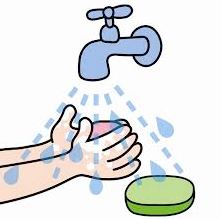
Hazlo con agua y jabón durante 60 segundos, frotando bien las palmas, el dorso y entre los dedos, sin olvidar las muñecas. Después, sécate con una toalla de un solo uso y utilízala para cerrar el grifo sin tocarlo.
2. Ventila la casa: 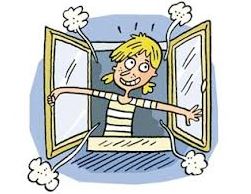
Los virus y gérmenes pueden vivir durante varios días y, si no ventilas, estos se van concentrando en el interior de tu casa. Sobreviven especialmente bien en superficies lisas.
3. ¿Tienes un enfermo en casa? 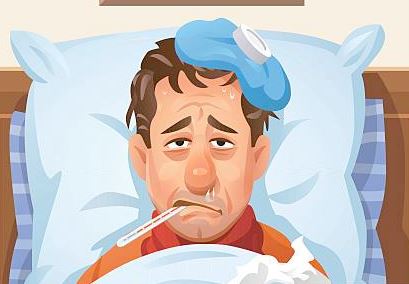
Evita compartir vasos, cubiertos, toallas u otros objetos que hayan podido estar en contacto con él.
4. Lava la ropa de casa y la de abrigo: 
En las sábanas, cojines, bufandas… se van acumulando virus y gérmenes, por lo que hay que lavar todo ello a menudo y hacerlo al menos a 60 grados.
5.No te toques la cara: 
Si tus manos han estado en contacto con algún virus y te tocas los ojos, la nariz y la boca, puede que acabes enfermando.
6. Estornuda sobre la manga de tu brazo: 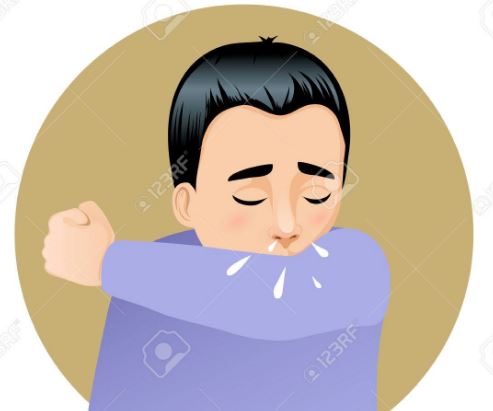
Cubrirte la boca con las manos solo favorece la transmisión de los virus.
Paso 2. Discuss with a compañero (a) which of the above recommendations you usually follow to avoid a cold. Additionally, please mention any other preventive measures you take.
*This essay is an adaptation of an article from the Spanish magazine Clara.
Cultura: Perú


Capital: Lima
Extensión territorial: 1.285.216 km² (496,225 millas cuadradas)
Analogía con territorio en los Estados Unidos: aproximadamente el territorio de California
Población: 33 millones 726 mil habitantes
Idiomas: español, quechua y aymara
Ciudades importantes:
- Cuzco
- Arequipa
- Trujillo
Datos curiosos:
- Una de las 7 nuevas maravillas del mundo, Machu Picchu, está ubicada en Cuzco.
- La comida peruana es una de las mejores del mundo. El ceviche es un plato típico.


Música: Gian Marco
Cantante: Gian Marco

Canción: Sácala a bailar
Letra: Sácala a bailar
Llegó la noche, todo comienza
La que te gusta, tiene un vestido color melón
Cabello suelto, zapatos rojos
Vino sólita, todos la vieron cuando llegó
Coro
Sácala a bailar, que ella baila bonito
Sácala que quiere bailar pegadito
Sácala a bailar, sácala a bailar
Sácala a bailar, que no tiene pareja
Sácala que ahorita, comienza la fiesta
Sácala a bailar, sácala a bailar
Sácala, sacude las caderas
Sácala, la música que esta buena
Sácala, me estoy enamorando
Contigo voy cantando
Sácala, un paso y media vuelta
Sácala, tu mano no me suelta
Sácala, me estoy enamorando
Y sácala a bailar o la saco yo
Llegó la noche, se pone buena
Poquito a poco, se va acercando a mi corazón
Ojitos negros, manos de seda
Chica bonita, todos la vieron cuando llegó
Coro
Sácala bailar, que ella baila bonito
Sácala que quiere bailar pegadito
Sácala a bailar, sácala a bailar
Sácala a bailar, que no tiene pareja
Sácala que ahorita, comienza la fiesta
Sácala a bailar, sácala a bailar
Sácala, sacude las caderas
Sácala, la música que está buena…
Personalidad: Mario Vargas Llosa

Escritor y político. Nació en Arequipa el 28 de marzo de 1936. Recibió el Premio Nobel de Literatura en 2010 y el Premio Cervantes en 1994. Es reconocido novelista y ensayista.Participó como candidato a la presidencia del Perú en las elecciones de 1990. Mario Vargas Llosa es uno de los escritores hispanoamericanos de mayor fama mundial. Sus obras más características son La ciudad y los perros (1962) y La casa verde (1965).
Preguntas de comprensión. After reading the short biography of Mario Vargas Llosa, answer the following questions.
1. ¿Dónde y cuándo nació Mario Vargas LLosa?
___________________________________________________________________.
2. ¿Qué evento importante pasó en el 2010?
___________________________________________________________________.
3. Mencione una de sus novelas más importantes y en qué año se publica.
___________________________________________________________________.
Lectura: Machu Picchu: Un viaje por el tiempo


Paso 1. Read the following paragraphs about the instructor’s journey to Machu Picchu
En el verano de 2016, yo organicé una excursión a Machu Picchu por dos días. El primer día mis amigos y yo fuimos a pie (on foot) por un camino Inca. Esta excursión fue como un viaje indescriptible (indescribable) por el tiempo.
Día 1:
Primero, tomamos un tren hasta la estación de Chachabamba. Allí empezamos nuestra caminata a Machu Picchu. Hay muchas caminatas diferentes que pueden durar dos o tres días (43 kilómetros/ 26.7 millas), pero la que nosotros hicimos fue de 10 kilómetros (6.3 millas). Mientras caminábamos, vimos el paisaje natural, la majestuosidad de las montañas y la diferente flora y fauna. Varias veces, paramos a comer y descansar un poco. ¡Algún día quiero caminar los 43 kilómetros del Camino Inca! Finalmente llegamos a la puerta del sol (Intipunku) donde pudimos admirar la belleza y grandeza de Machu Picchu. Todos nos quedamos callados porque no hay palabras para expresar ese lugar mágico entre dos grandes montañas. Esa noche nos quedamos en un hotel en la ciudad de Aguas Calientes.
Día 2:
Nos levantamos temprano para tomar un autobús y volver a la ciudad de Machu Picchu. Pudimos explorar con más tiempo y también tuvimos un tour guiado por dos horas. Mi viaje por el tiempo al pasado mágico de Machu Picchu fue una experiencia que nunca voy a olvidar.
Paso 2. Comprensión. Based on the reading, indicate if the following statements are true (CIERTO) or false (FALSO). If false, write the correct information.
- La profesora caminó 10 kilómetros.
- Ella no quiere regresar.
- Cuando el grupo vio Machu Picchu, ellos empezaron a hablar de su experiencia.
This page titled 10.1: Capítulo 10- La salud was last modified on Thu, 22 Oct 2026 17:25:31 GMT and is shared under a CC BY-NC 4.0 license and was authored, remixed, and/or curated by Maria Y. Martell via source content that was edited to the style and standards of the LibreTexts platform.
The book could not be loaded just now.