Opening the book…
The sight of fireworks cascading across the night sky is a hallmark of special occasions. These materials, invented hundreds of years ago, can be dangerous if not handled properly. The chemicals do not react until the fuse burns down and heat is applied to the system. Then, the rocket is launched and explodes high in the sky.
Activation Energy
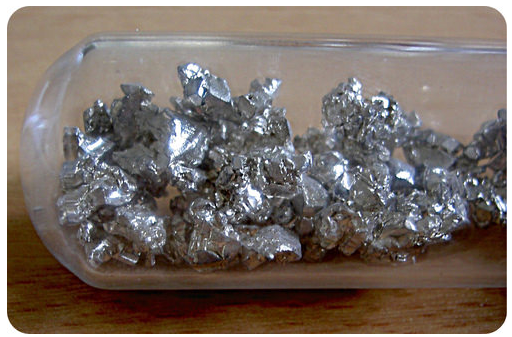
Why do some chemical reactions occur readily while others require input of heat in order to take place? If we mix metallic sodium with water, a reaction occurs immediately, releasing a great deal of heat (enough to ignite the hydrogen gas that is formed). Group II metals, such as calcium, react at a much slower rate. Unlike the extremely vigorous reaction with sodium, the reaction with calcium is slow enough that we can trap the hydrogen gas released.
Supplying reactant particles with energy causes the bonds between the atoms to vibrate with a greater frequency. This increase in vibrational energy makes a chemical bond more likely to break, and a chemical reaction more likely to occur, when those particles collide with other particles. The activation energy for a reaction is the minimum energy that colliding particles must have in order to undergo a reaction. Some reactions occur readily at room temperature because the reacting particles already have the requisite activation energy at that temperature. Other reactions only occur when heated because the particles do not have enough energy unless an external source of heat provides the particles with more kinetic energy.
Summary
This page titled 10.3.3: Activation Energy was last modified on Sat, 17 Aug 2024 02:56:01 GMT and is shared under a CC BY-NC-SA 4.0 license and was authored, remixed, and/or curated by Matthew Ku via source content that was edited to the style and standards of the LibreTexts platform.
The book could not be loaded just now.