L'Allegro, Il Penseroso, Comus, and Lycidas
by John Milton
"L'Allegro, Il Penseroso, Comus, and Lycidas" by John Milton is a collection of poetic works composed during the early 17th century. This book features four distinct pieces: "L'Allegro" and "Il Penseroso," which present contrasting moods of joy and melancholy; "Comus," a masque that explores themes of temptation and virtue; and "Lycidas," a pastoral elegy mourning the loss of a friend. The overarching topic addresses human experiences, emotions, and the divine interplay of fate, virtue, and mortality. In "L'Allegro," Milton celebrates the joys and pleasures of life, invoking a spirit of merriment and youthful vitality, while "Il Penseroso" explores the depths of contemplation, encouraging a reverence for wisdom and solemn reflection amid life's varied experiences. "Comus" unfolds in a dramatic narrative where a virtuous lady, lost in a dark wood, confronts the seductive enchantments of Comus, a symbol of vice, ultimately highlighting the power of chastity and virtue. Finally, "Lycidas" serves as a poignant tribute to Milton's deceased friend, contemplating the responsibilities and failings of the clergy, while expressing a hope for spiritual immortality. Together, these works offer a profound exploration of the dualities of life and human spirit, woven with rich imagery and rhetorical elegance characteristic of Milton's style.
Summary written by Project Gutenberg, by machine.
- Language
- English
- On Project Gutenberg since
- 1 January 1996
- Read in the last 30 days
- 844 times at Project Gutenberg
More by John Milton
See all: More by John Milton
The Poetical Works of John Milton
An Introduction to the Prose and Poetical Works of John Milton

Poemata : Latin, Greek and Italian Poems by John Milton
Milton: Minor Poems
Paradise Lost
Paradise Lost
El paraíso perdido

Areopagitica

Paradise Regained

Milton's Comus
Le Paradis Perdu
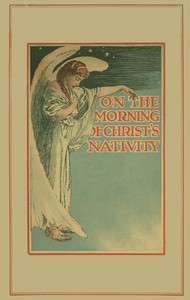
On the morning of Christ's nativity