Milton's Comus
by John Milton
Edited by William Bell
"Milton's Comus" by John Milton is a lyrical masque written in the early 17th century. This poem explores themes of virtue, temptation, and the conflict between chastity and indulgence, encapsulated in the narrative of the character Comus, who represents sensuality and excess. The main storyline revolves around a young lady who faces temptation but ultimately upholds her virtue, aided by her brothers and an attendant spirit. The beginning of "Comus" introduces us to an ethereal attendant spirit, tasked with protecting the children of a noble Earl as they navigate a dark and enchanted forest. The spirit reflects on the world above and below, contrasting the divine with the tempting, corrupted realm of Comus, who is portrayed as a sorcerer adept in leading innocents astray. As the lady becomes separated from her brothers, she encounters Comus, who attempts to seduce her with promises of pleasure, setting the stage for the ensuing battle between virtue and vice. This opening segment highlights the overarching themes of the masque and lays the groundwork for the moral conflict that unfolds throughout the work.
Summary written by Project Gutenberg, by machine.
- Language
- English
- On Project Gutenberg since
- 15 November 2006
- Read in the last 30 days
- 1,303 times at Project Gutenberg
More by John Milton
See all: More by John Milton
The Poetical Works of John Milton
An Introduction to the Prose and Poetical Works of John Milton
Poemata : Latin, Greek and Italian Poems by John Milton
Milton: Minor Poems
Paradise Lost
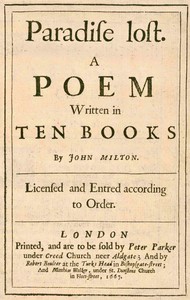
Paradise Lost
El paraíso perdido

Areopagitica
Paradise Regained
L'Allegro, Il Penseroso, Comus, and Lycidas
Le Paradis Perdu
On the morning of Christ's nativity