
Fiore di leggende
Cantari antichi I - cantari leggendari
Edited by Ezio Levi
Human-made only is on in this browser, so Project Gutenberg's machine summaries are left out. Settings.
"Fiore di leggende" by Ezio Levi is a collection of ancient cantari, or ballads, written in the early 20th century. The book presents a tapestry of legendary tales and folklore from Italian tradition, encapsulating the culture and values of its time. The narratives likely explore themes of chivalry, adventure, and romance, with a focus on characters such as the noble Bel Gherardino and his companion Marco Bello navigating trials and tribulations. The opening of this collection introduces us to the first tale, focusing on Bel Gherardino, a noble knight in Rome. Following the death of his father, he is entrusted with the family's legacy but finds himself in financial trouble due to his lavish lifestyle. His adventures take him into danger as he encounters both serpents and bears, showcasing acts of bravery and valor. As he navigates the perils of his quest, he meets the enchanting "Fata Bianca," who becomes a significant figure in his life, promising love and challenges ahead as he seeks to reclaim his fortune and honor. Throughout this opening segment, themes of loyalty, courage, and the supernatural intertwine, setting the stage for a fantastical journey.
AI-generated Summary written by Project Gutenberg, by machine.
- Language
- Italian (Italiano)
- On Project Gutenberg since
- 21 November 2006
- Read in the last 30 days
- 271 times at Project Gutenberg
More from the shelf “IT Poesia”
See all: More from the shelf “IT Poesia”
La Divina Commedia di Dante
La Divina Commedia di Dante: Complete

Isaotta Guttadàuro ed altre poesie

Le tragedie, gl'inni sacri e le odi di Alessandro Manzoni

Divina Commedia di Dante: Inferno

Il Quadriregio
Orlando Furioso
Distruzione: Poema Futurista

La Divina Commedia di Dante: Inferno

Divina Commedia di Dante: Purgatorio

Divina Commedia di Dante: Paradiso

La Divina Commedia di Dante: Paradiso
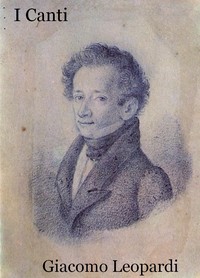
I Canti

Esilio
Ahasvero nell'Isola del Diavolo: versi

La Divina Commedia di Dante: Purgatorio
Tempeste
Rinaldo ardito: Frammenti inediti pubblicati sul manoscritto originale
Caos del Triperuno