Window mode follows your eyes with your camera, in this browser only: no picture or position leaves your device.
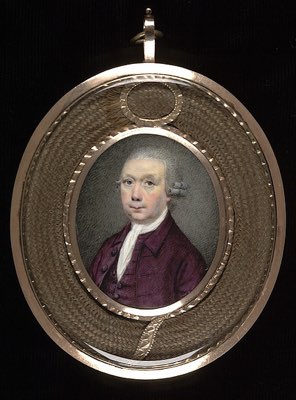
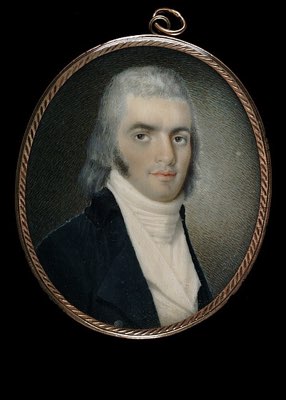
John Quincy Adams
early 19th century
- Medium
- enamel on porcelain
- Classification
- Paintings
- Dimensions
- image: 7/8 x 3/4 in. (2.2 x 1.9 cm)
- Museum
- Smithsonian Institution, Smithsonian American Art Museum, Painting and Sculpture
- Credit line
- Smithsonian American Art Museum, Bequest of Mary Elizabeth Spencer
- Rights
- CC0 (Smithsonian Open Access), as the museum states it.
- Who can see it
- Tweens profiles and older: its subjects are known and suit older children. How works are placed
View at the Smithsonian Institution
About this work
Son of John and Abigail Adams, John Quincy Adams grew up ambitious and educated. At ten he accompanied his father to Europe on a diplomatic mission. He practiced law in Boston, and in 1825 became the sixth president of the United States. In 1830 he was elected to the House of Representatives and earned the nickname “Old Man Eloquent” for his support of the arts and sciences. He was also known for his opposition to slavery, and fought for several years to repeal the “gag rule” that prevented Congress from accepting antislavery petitions. His political career came to an end in 1848 when he collapsed on the floor of the House from a stroke. He died two days later and was buried at First Parish Church in Quincy, Massachusetts. This early-nineteenth-century miniature depicts Adams many years before his death. His arched brow and intense gaze reflect the intelligence and motivation that shaped a successful political career.