Window mode follows your eyes with your camera, in this browser only: no picture or position leaves your device.
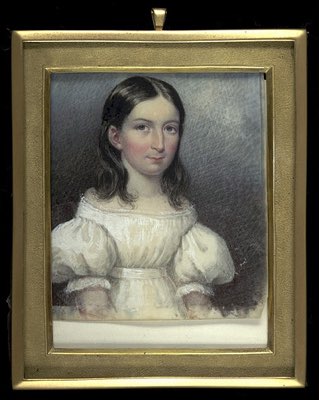
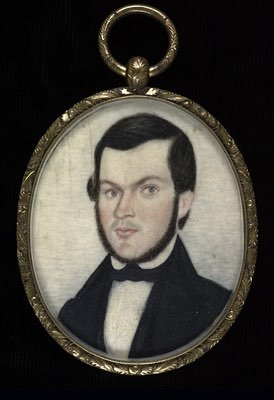
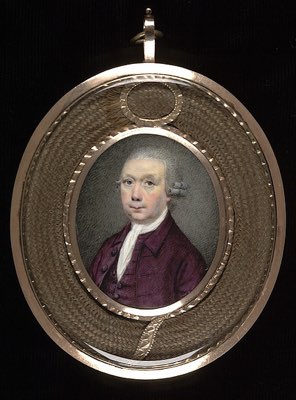
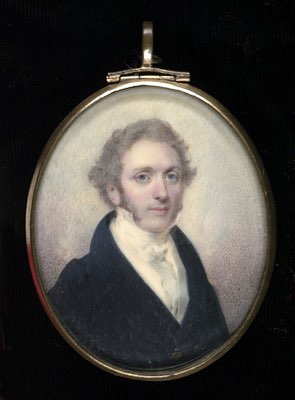
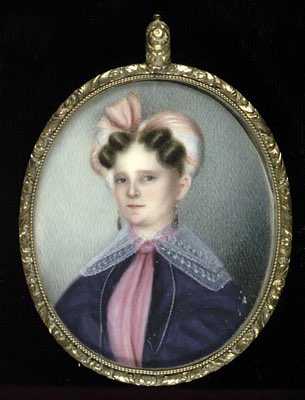
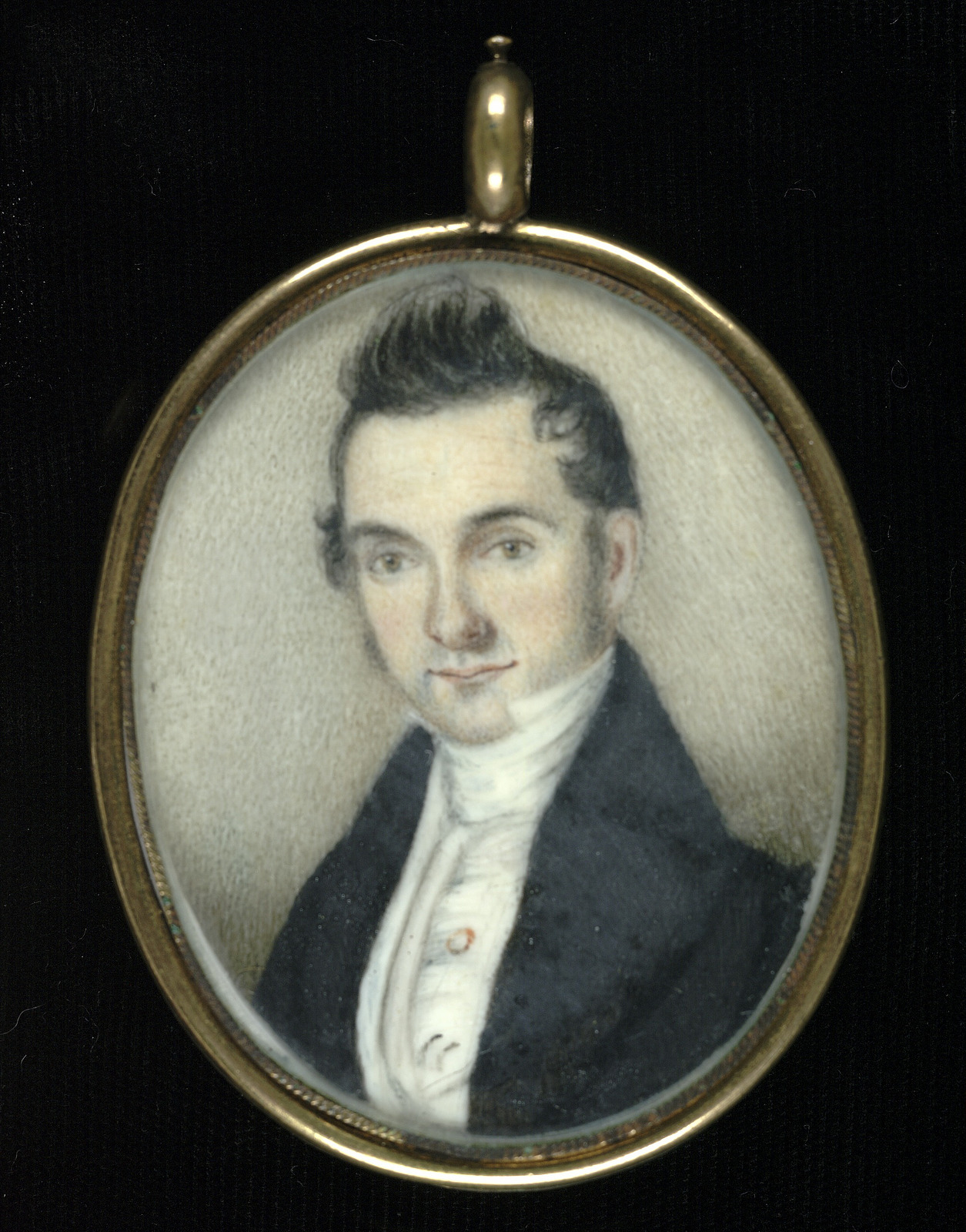
Christopher Burdick
ca. 1835
- Medium
- watercolor on ivory
- Classification
- Paintings
- Dimensions
- sight 2 x 1 5/8 in. (5.1 x 4.1 cm) oval
- Museum
- Smithsonian Institution, Smithsonian American Art Museum, Painting and Sculpture
- Credit line
- Smithsonian American Art Museum, Museum purchase through the Catherine Walden Myer Fund
- Rights
- CC0 (Smithsonian Open Access), as the museum states it.
- Who can see it
- Tweens profiles and older: its subjects are known and suit older children. How works are placed
View at the Smithsonian Institution
About this work
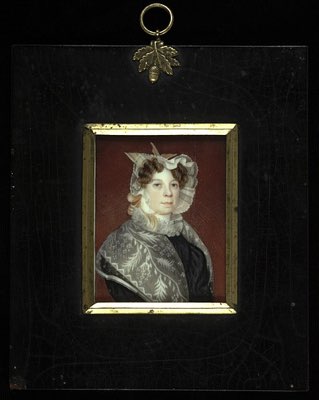
It is not always possible to identify the sitter in a miniature portrait, and research is still being done on some of the works in the Museum’s collection. Miniatures became popular in England during the early 1700s, commissioned by wealthy families on the occasions of births, engagements, weddings, and bereavements. These paintings, elaborately set into lockets or brooches, provided the wearer with a sentimental connection to a loved one. The back of the miniature often revealed a lock of the sitter’s hair, symbolizing affection, commitment, or loss. The daguerreotype, invented in 1839, provided a cheaper, faster alternative, and portrait miniatures grew less popular. At the turn of the twentieth century, with the establishment of the American Society of Miniature Painters, miniatures enjoyed a brief revival. Conservation of this miniature was made possible through a generous grant provided by the Smithsonian Women’s Committee.