Window mode follows your eyes with your camera, in this browser only: no picture or position leaves your device.
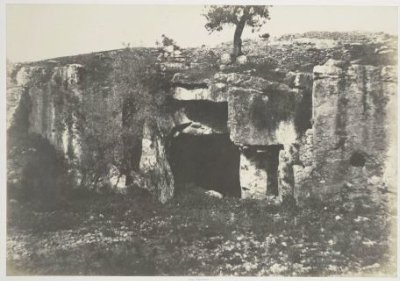
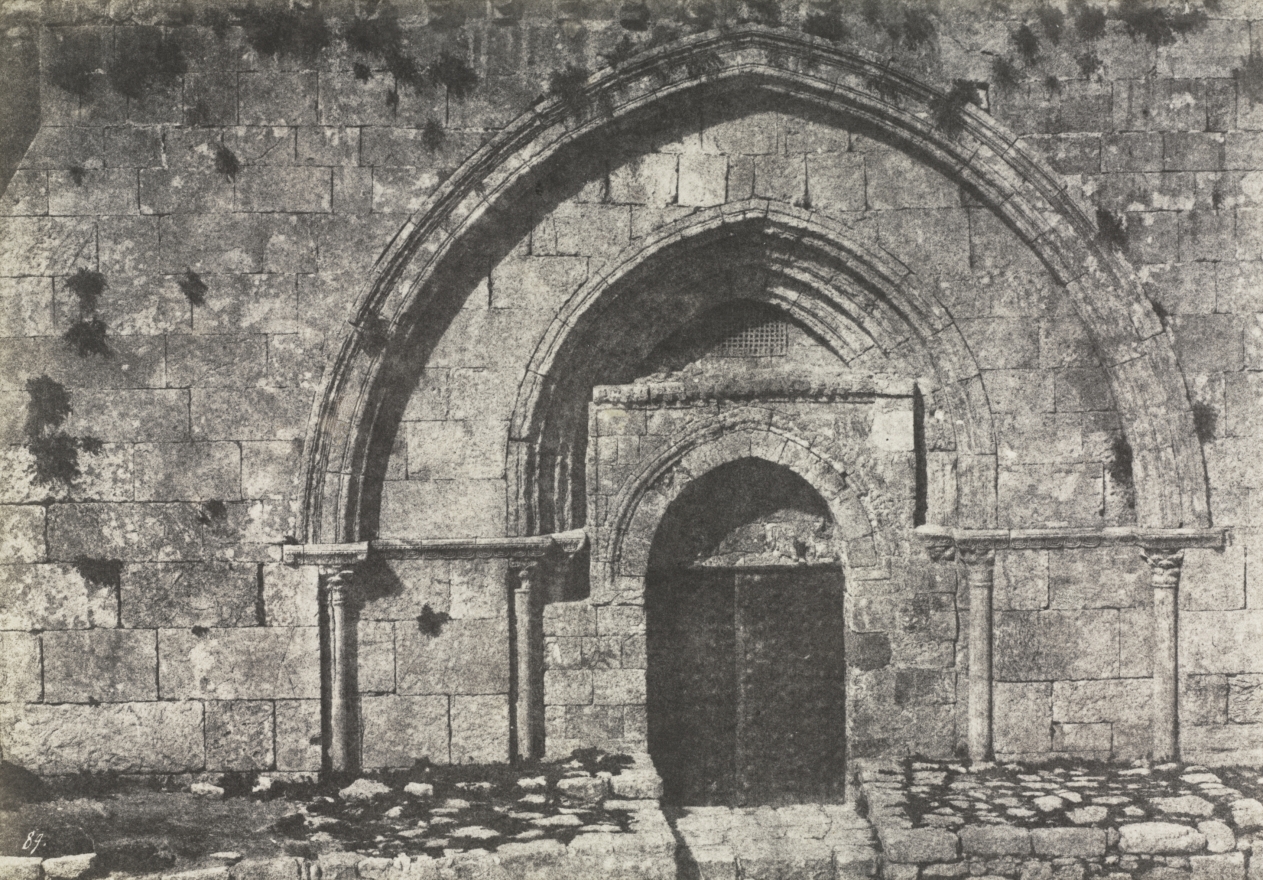
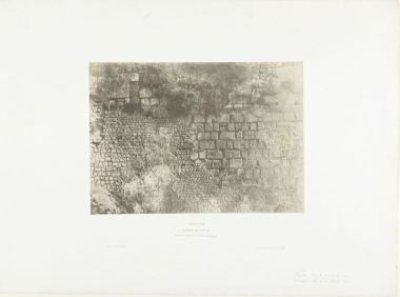
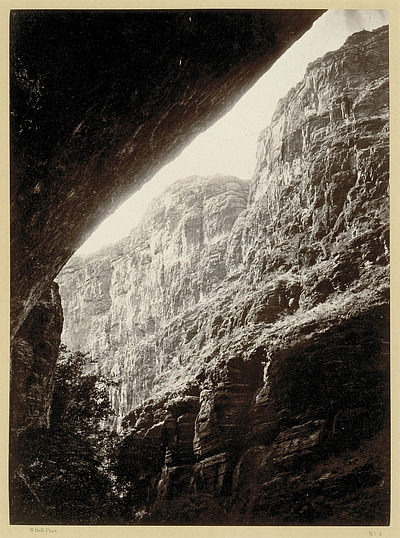
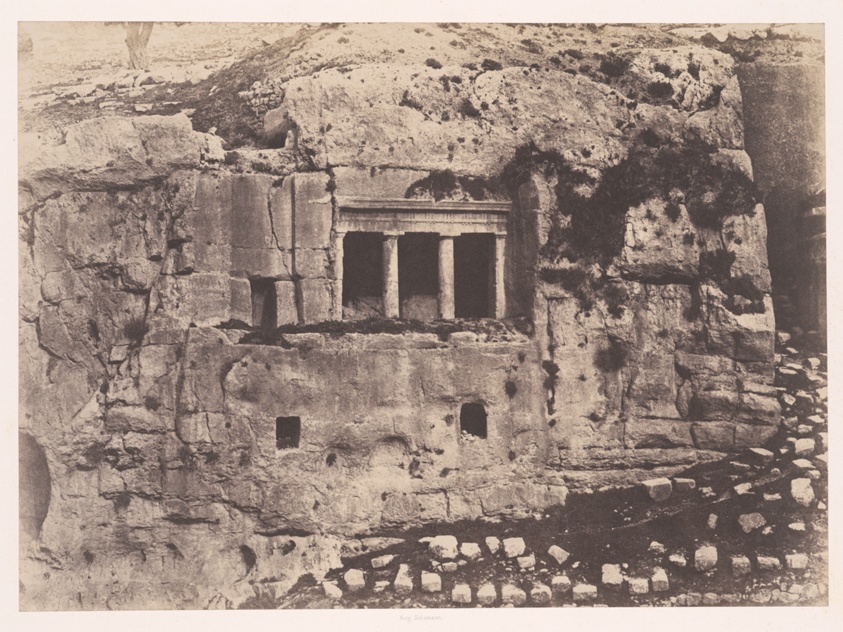
Jerusalem, Valley of Josaphat, Tomb of St. James (Jérusalem, Vallée de Josaphat, Tombeau de Saint Jacques)
Auguste Salzmann (French, 1824–1872)
1854, printed 1856
- Medium
- Salted paper print
- Classification
- Photograph
- Dimensions
- Image: 23.4 × 32.2 cm (9 1/4 × 12 11/16 in.); Paper: 41.4 × 58.5 cm (16 5/16 × 23 1/16 in.)
- Culture
- France
- Museum
- Art Institute of Chicago, Photography and Media
- Credit line
- Purchased with funds provided by Helen Harvey Mills in memory of her mother Kathleen W. Harvey
- Rights
- Public domain (CC0), as the museum states it.
- Who can see it
- Tweens profiles and older: its subjects are known and suit older children. How works are placed
View at the Art Institute of Chicago
About this work
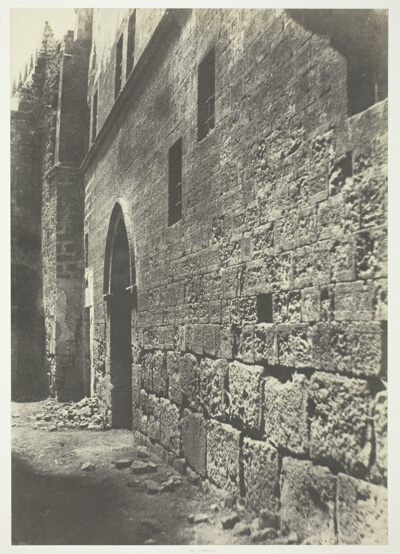
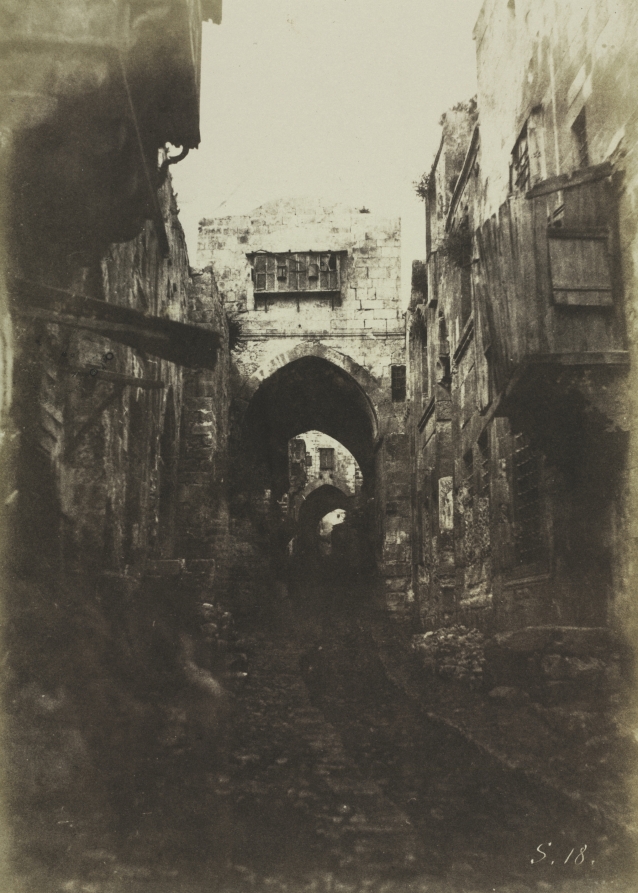
An amateur archaeologist trained as a painter, Auguste Salzmann learned photography in order to document archaeological finds in the field. He traveled to Jersualem in 1853, photographing holy sites for a year, until he was stricken by fever and forced to return home with some 150 paper negatives. The resulting prints were published in 1856 by the noted printer Louis-Désiré Blanquart-Evrard as a tourist album on the monuments of Jerusalem, available for purchase by the public; in the introduction, Salzmann wrote, "Photographs are not reports, but rather conclusive brute facts." Despite this assertion, his choice of medium did act as a vehicle of interpretation: the salted paper print gave a somewhat softened, textured appearance to the stone ruins, increasing the suggestion of nostalgia latent in the combination of archeology and tourism.
Description © Art Institute of Chicago, CC BY 4.0