Window mode follows your eyes with your camera, in this browser only: no picture or position leaves your device.
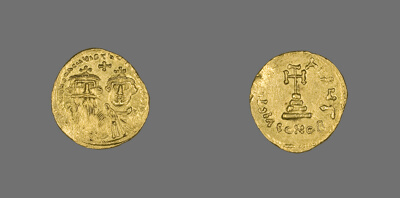
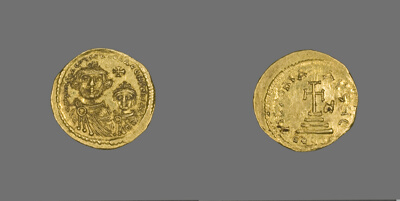
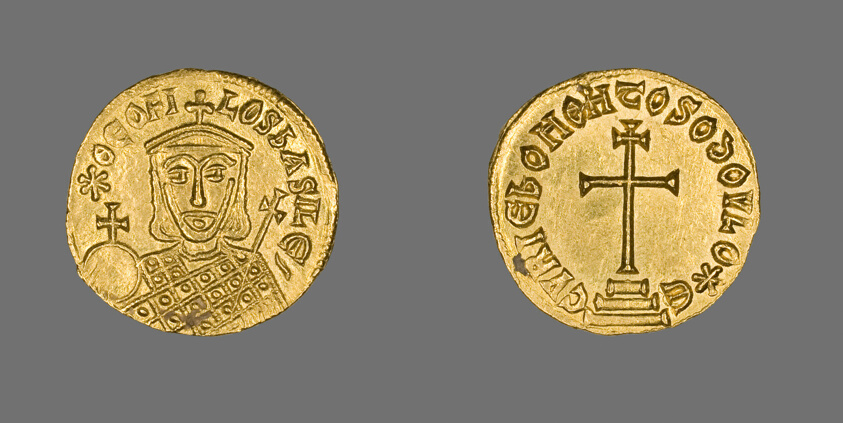
Solidus (Coin) of Theophilus
829-831
- Medium
- Gold
- Classification
- Coin
- Dimensions
- Diam.: 2.1 cm (7/8 in.)
- Culture
- Byzantine Empire
- Museum
- Art Institute of Chicago, Arts of Greece, Rome, and Byzantium
- Credit line
- Gift of William F. Dunham
- Rights
- Public domain (CC0), as the museum states it.
- Who can see it
- Tweens profiles and older: its subjects are known and suit older children. How works are placed
View at the Art Institute of Chicago
About this work
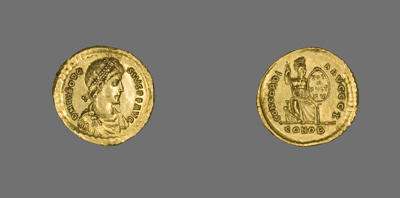
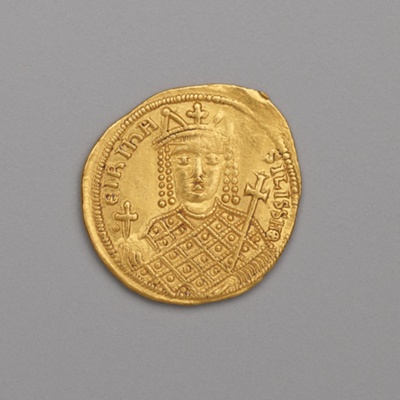
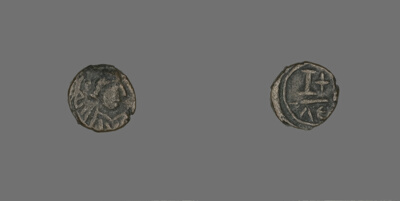
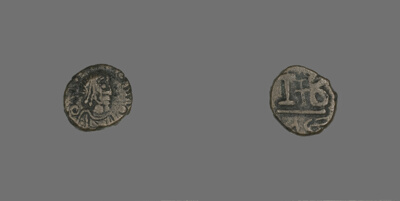
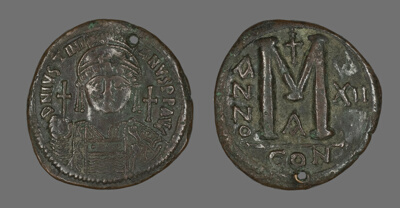
As powerful vehicles for propaganda, Byzantine coins also emphasized the close relationship between earthly monarchs and the heavenly realm, as does this solidus of Theophilus (r. 829-842). A bust-length portrait of the emperor appears on the obverse; he wears a crown and is garbed in the imperial loros, a heavily jeweled stole for festive occasions. In his hands are a globe and a scepter, both of which are surmounted by crosses. The patriarchal cross above three steps that appears on the reverse is meant to represent a large cross that was erected in the fourth century on the site of Christ's crucifixion in Jerusalem. This motif of a cross and steps was first used on the coins of Tiberius II (r. 578-82), and its increasing popularity reflected the progressive Christianizing of imperial iconography, in which symbols such as the cross replaced earlier pagan elements like winged Victories.
The imagery of Byzantine coins, as well as their use—or not—of religious imagery, reflects the different attitudes toward representation of divine figures as a result of the Iconoclastic (from the Greek eikon, or image, and klao, to break) Controversy, a fierce debate among Byzantine theologians…
Description © Art Institute of Chicago, CC BY 4.0