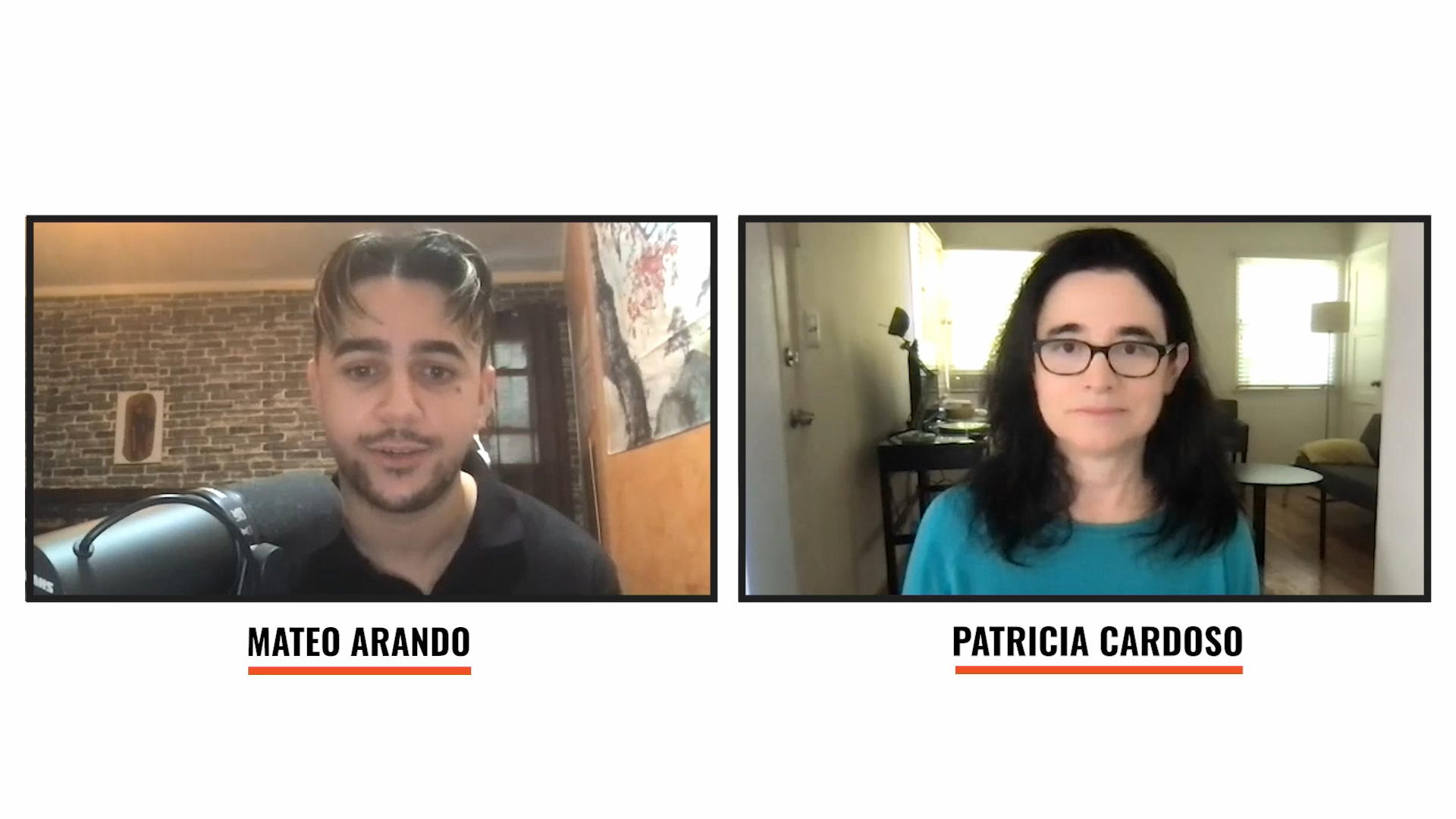
Shaping Latino Representation at the Movies with Patricia Cardoso
Library Of Congress. Latin American, Caribbean, & European Division
Clips are not offered for this film: the Library of Congress states its rights in its own words, not as a public licence, which leaves reuse unclear.
Parts
About
Award-winning director, writer and producer Patricia Cardoso shares her filmmaking influences, her desire to share Latina stories and the importance of representation both on screen and behind the scenes. Cardoso became the first Latina film director to be included in the Library of Congress National Film Registry with her 2002 Sundance Audience Award-winning film, "Real Women Have Curves" Her other directorial work includes the Student Academy Award-winning "The Water Carrier" (1996), the NAACP award-nominated television movie "Lies in Plain Sight" (2010), the Web Series "Ro" (2012), the feature "El Paseo de Teresa" (2017) and an episode of "Queen Sugar" (2018-2022). Cardoso is also a professor of theater, film and digital production at the University of California, Riverside. "Cine Latine: Shaping Latino Representation at the Movies" is the work of 2023 Library of Congress Junior Fellows and highlights the Library's vast moving image collections, while emphasizing the importance of Latino contribution and representation within the history of U.S. cinema. The interview series accompanies the Latinx Representation in Film Research Guide by showcasing emerging and established Latino or Latina filmmakers whose work is making a significant impact on the industry.
Human-made No record of this work says a model made it. What this means.
- Archive
- Library of Congress, in Library of Congress: talks and concerts
- Licence or status
- Rights statement at the Library of Congress, as the Library of Congress states it.
- Credit
- Library of Congress
- Language
- English
- Country
- United States
- Who can watch
- The archive gives no rating. Invisible Network shows it to Tweens profiles and older, judged from its collection and subjects. How films are placed
More from Library of Congress: talks and concerts
 Talk
2024 Literacy Awards Applicant Information Session
 Talk
Disney Storytellers Fund at Howard University Showcase
 Talk
Rhapsody in Blue at 100
 Talk
Copyright Public Modernization Committee Public Meeting
 Talk
Spring 2024 Connecting Communities Digital Initiative Project Celebration
 Talk
Connecting Communities Digital Initiative: 2024 Summer Fuse I
 Talk
Connecting Communities Digital Initiative: 2024 Summer Fuse II
 Talk
FEDLINK 2023 Awards Ceremony
 Talk
2024 Junior Fellows Display Day
 Talk
2024 Junior Fellows Program
 Talk
History of Science Society Conference
 Talk