Celebrating Hazel Scott: Pianist, Singer, Actress and Activist
Library Of Congress. Music Division
Clips are not offered for this film: the Library of Congress states its rights in its own words, not as a public licence, which leaves reuse unclear.
Parts
About
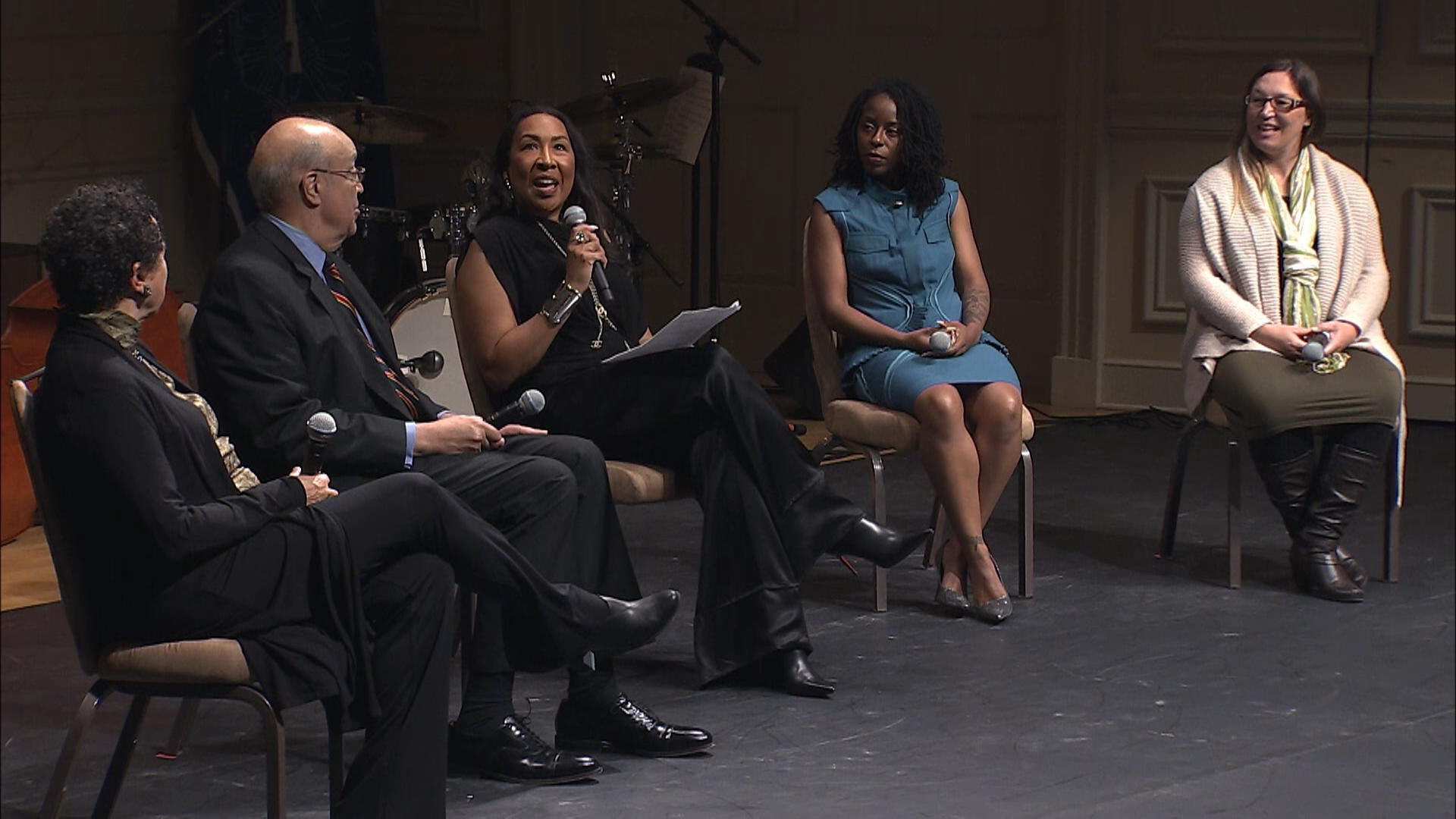
This special evening saluted a groundbreaking Black artist whose legacy continues to resonate today. Brilliant, glamorous and fluent in seven languages, Hazel Scott was a prodigiously talented jazz and classical pianist, a true media star who enjoyed fame on the concert stage, in film and in television in the 1940s and '50s. Defying segregation and breaking racial barriers as a performer, she would become an influential Civil Rights activist whose courageous testimony before the House Committee on Un-American Activities damaged a remarkable career. Enjoy these excerpts from a special event created in cooperation with Washington Performing Arts and Dance Theatre of Harlem. The original event included a film about the creation of "Sounds of Hazel," as well as an excerpt from the ballet co-commissioned by Washington Performing Arts. The artist's biographer, Karen Chilton, moderated a panel discussion bringing together Dance Theatre of Harlem's Artistic Director Virginia Johnson, choreographer Tiffany Rea-Fisher, Hazel Scott's son Adam Clayton Powell III, and Janet McKinney, an archivist at the Library of Congress.
Human-made No record of this work says a model made it. What this means.
- Archive
- Library of Congress, in Library of Congress: talks and concerts
- Licence or status
- Rights statement at the Library of Congress, as the Library of Congress states it.
- Rights statement
- While the Library of Congress created most of the videos in this collection, they include copyrighted materials that the Library has permission from rightsholders to present. Rights assessment is your responsibility. The written permission of the copyright owners in materials not in the public domain is required for distribution, reproduction, or other use of protected items beyond that allowed by fair use or other statutory exemptions. There may also be content that is protected under the copyright or neighboring-rights laws of other nations. Permissions may additionally be required from holders of other rights (such as publicity and/or privacy rights). Whenever possible, we provide information that we have about copyright owners and related matters in the catalog records, finding aids and other texts that accompany collections. However, the information we have may not be accurate or…
- Credit
- Library of Congress
- Language
- English
- Country
- United States
- Who can watch
- The archive gives no rating. Invisible Network shows it to Tweens profiles and older, judged from its collection and subjects. How films are placed
More from Library of Congress: talks and concerts
 Talk
2024 Literacy Awards Applicant Information Session
 Talk
Disney Storytellers Fund at Howard University Showcase
 Talk
Rhapsody in Blue at 100
 Talk
Copyright Public Modernization Committee Public Meeting
 Talk
Spring 2024 Connecting Communities Digital Initiative Project Celebration
 Talk
Connecting Communities Digital Initiative: 2024 Summer Fuse I
 Talk
Connecting Communities Digital Initiative: 2024 Summer Fuse II
 Talk
FEDLINK 2023 Awards Ceremony
 Talk
2024 Junior Fellows Display Day
 Talk
2024 Junior Fellows Program
 Talk
History of Science Society Conference
 Talk