LC Labs Outreach and Audience Research
Library Of Congress
Clips are not offered for this film: the Library of Congress states its rights in its own words, not as a public licence, which leaves reuse unclear.
Parts
About
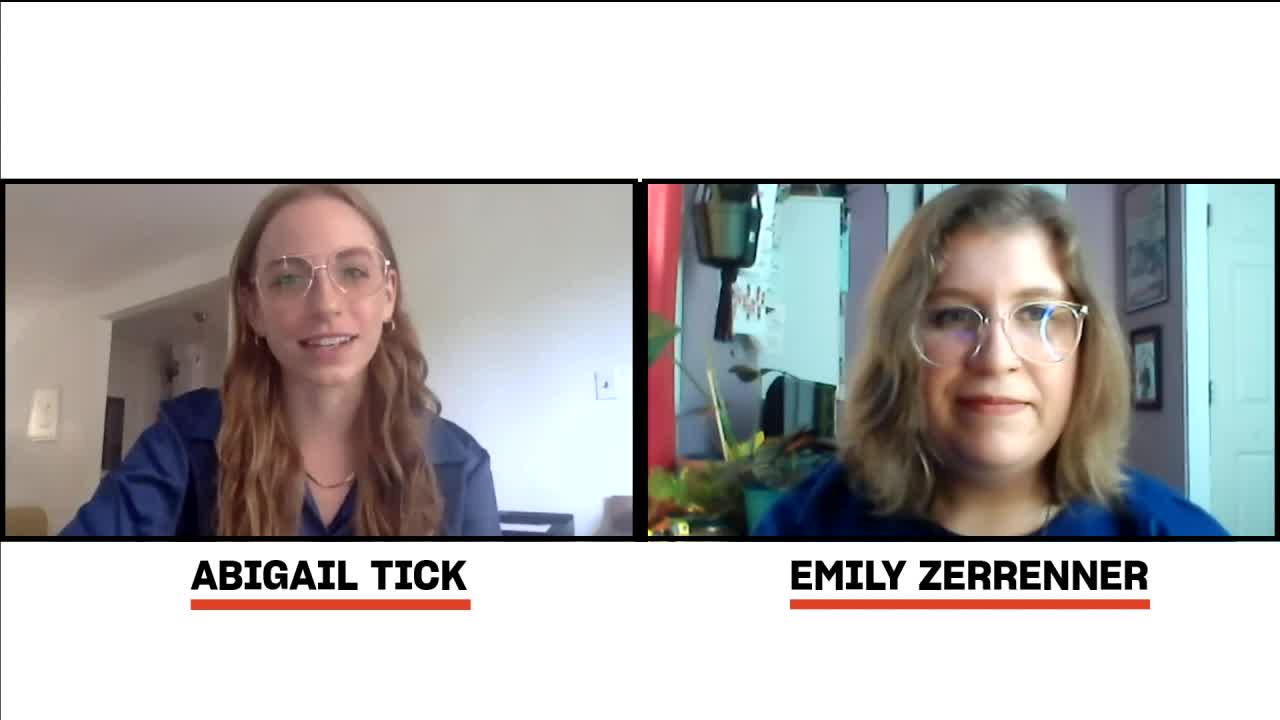
As 2021 Junior Fellows for the Library of Congress in the Digital Strategy Directorate with LC Labs, Abigail Tick and Emily Zerrenner have been doing research on audience engagement for Labs and expanding their knowledge of the role emerging technologies play in the cultural heritage sector. Abigail has been researching how current users engage with the Library's digital materials in innovative and creative ways while also discovering methods to connect with potential new audiences for LC Labs projects, initiatives, and programs. Tick also plans to design a social media campaign that broadens the reach of the Digital Scholarship Research Guide and brings more people to the Library's resources, whether that be in-person or online. Zerrenner's research has been on federal challenges, which are an incentive or prize competition put on by government agencies. LC Labs' previous data challenge helped increase access and understanding of congressional data, and the department is interested in hosting another to boost public engagement and bring awareness to the Library's vast collections. Zerrenner's project will culminate with a recommendations report for LC Labs in addition to an annotated bibliography on her challenge research.
Human-made No record of this work says a model made it. What this means.
- Archive
- Library of Congress, in Library of Congress: talks and concerts
- Licence or status
- Rights statement at the Library of Congress, as the Library of Congress states it.
- Rights statement
- While the Library of Congress created most of the videos in this collection, they include copyrighted materials that the Library has permission from rightsholders to present. Rights assessment is your responsibility. The written permission of the copyright owners in materials not in the public domain is required for distribution, reproduction, or other use of protected items beyond that allowed by fair use or other statutory exemptions. There may also be content that is protected under the copyright or neighboring-rights laws of other nations. Permissions may additionally be required from holders of other rights (such as publicity and/or privacy rights). Whenever possible, we provide information that we have about copyright owners and related matters in the catalog records, finding aids and other texts that accompany collections. However, the information we have may not be accurate or…
- Credit
- Library of Congress
- Language
- English
- Country
- United States
- Who can watch
- The archive gives no rating. Invisible Network shows it to Tweens profiles and older, judged from its collection and subjects. How films are placed
More from Library of Congress: talks and concerts
 Talk
2024 Literacy Awards Applicant Information Session
 Talk
Disney Storytellers Fund at Howard University Showcase
 Talk
Rhapsody in Blue at 100
 Talk
Copyright Public Modernization Committee Public Meeting
 Talk
Spring 2024 Connecting Communities Digital Initiative Project Celebration
 Talk
Connecting Communities Digital Initiative: 2024 Summer Fuse I
 Talk
Connecting Communities Digital Initiative: 2024 Summer Fuse II
 Talk
FEDLINK 2023 Awards Ceremony
 Talk
2024 Junior Fellows Display Day
 Talk
2024 Junior Fellows Program
 Talk
History of Science Society Conference
 Talk