
Make a clip
CC BY-SA 4.0 · Osmosis
Up to 60 seconds, at most the picture size of the copy it is cut from. The clip carries the title, the credit, the licence and a link back here. It is made in this browser, and nothing is sent to this site.
Or send the moment itself: https://invisiblenetwork.ai/watch/archive/commons/48389857?play=1&t=0
Parts
About
What is delirium? Delirium is a sudden disturbance in mental abilities that can last for hours to days. Some patients experience hyperactive symptoms and some patients experience hypoactive symptoms, whereas some experience both. This video describes the symptoms, pathophysiologic theories, and important risk factors and ways to prevent episodes of delirium.
Sources: Maldonado, J. R. (2008). Pathoetiological model of delirium: a comprehensive understanding of the neurobiology of delirium and an evidence-based approach to prevention and treatment. Critical Care Clinics, 24(4), 789–856, ix. https://doi.org/10.1016/j.ccc.2008.06.004 http://emedicine.medscape.com/article/288890-overview?pa=m65tSMZGbvnh3tvPL5rA6hRw0q48f1xley2tzBNlaBhCCBZBxQ%2Bw8GfQmbQ0omw2VrJxKJt4DRD8mxYr6kYfOw%3D%3D#a6 Francis, J. & Young, GB., Diagnosis of delirium and confusional states. In: UpToDate, Post, TW (Ed), UpToDate, Waltham, MA, 2017.
Francis, J. Delirium and acute confusional states: Prevention, treatment, and prognosis Diagnosis of delirium and confusional states. In: UpToDate, Post, TW (Ed), UpToDate, Waltham, MA, 2017.
Human-made No record of this work says a model made it. What this means.
More from Wikimedia Commons
 Short
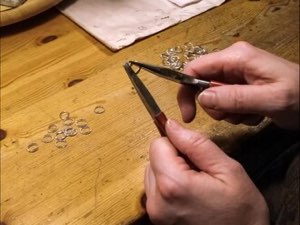
Making a silver chain
 Short
Jennifer Doudna Nobel Prize medal presentation
 Short
¿Qué es Wikipedia?
 Short
Wie entstehen Fossilien (CC by 4.0)
 Short
Rudy Mancuso & Maia Mitchell - Magic (Official Music Video)
 Documentary
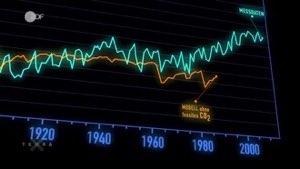
Die wichtigsten Klimafaktoren (ZDF, Terra X) 720p 50FPS
 Short
Curiosity's Seven Minutes of Terror
 Short
Wikilovesmonuments.org
 Short
Wikipedia - FactsMatter2016
 Short
President Obama on Death of Osama bin Laden no watermark
 Short
Cassini's Grand Finale
 Cartoon