
The-Video-Head-Impulse-Test-(vHIT)-Detects-Vertical-Semicircular-Canal-Dysfunction-pone.0061488.s004
MacDougall H, McGarvie L, Halmagyi G, Curthoys I, Weber K
Low resolution (424×240): this is the archive's own copy. Where the browser can use the graphics chip, Enhance picture in the player's settings draws it sharper.
Make a clip
CC BY 2.5 · MacDougall H, McGarvie L, Halmagyi G, Curthoys I, Weber K
Up to 60 seconds, at most the picture size of the copy it is cut from. The clip carries the title, the credit, the licence and a link back here. It is made in this browser, and nothing is sent to this site.
Or send the moment itself: https://invisiblenetwork.ai/watch/archive/commons/25872974?play=1&t=0
Parts
About
Modified head impulse procedure for vertical semicircular canals. Illustration of the head impulse examination procedure for individual semicircular canals in a patient with left unilateral vestibular deafferentation (lUVD). (A) Lateral (horizontal) head impulses. (B) Modified head impulses in the right anterior – left posterior (RALP) plane. (C) Modified head impulses in the left anterior – right posterior (LARP) plane. Note that for the modified vertical head impulses gaze is directed along the plane of head rotation to elicit vertical (instead of torsional) eye movements. Red: canal activation. Blue: canal inhibition. Green: canal dysfunction. Overt saccades that compensate for deficient canal function are indicated with click sounds. The movie has been created with the free iPhone or iPad app ‘aVOR’ developed by the first author [19].
Human-made No record of this work says a model made it. What this means.
More from Wikimedia Commons
 Short
Making a silver chain
 Short
Jennifer Doudna Nobel Prize medal presentation
 Short
¿Qué es Wikipedia?
 Short
Wie entstehen Fossilien (CC by 4.0)
 Short
Rudy Mancuso & Maia Mitchell - Magic (Official Music Video)
 Documentary
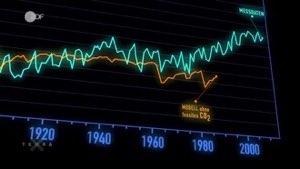
Die wichtigsten Klimafaktoren (ZDF, Terra X) 720p 50FPS
 Short
Curiosity's Seven Minutes of Terror
 Short
Wikilovesmonuments.org
 Short
Wikipedia - FactsMatter2016
 Short
President Obama on Death of Osama bin Laden no watermark
 Short
Cassini's Grand Finale
 Cartoon