Make a clip
CC BY-SA 4.0 · Gadmer Frédéric
Up to 60 seconds, at most the picture size of the copy it is cut from. The clip carries the title, the credit, the licence and a link back here. It is made in this browser, and nothing is sent to this site.
Or send the moment itself: https://invisiblenetwork.ai/watch/archive/commons/193706594?play=1&t=0
Parts
About
Lieu : Porto-Novo
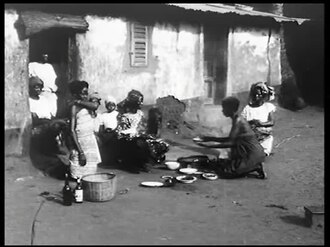
Lieu : Porto-Novo, Dahomey Mission : 1930 - Dahomey - RP Francis Aupiais et Frédéric Gadmer - (9 janvier-14 mai) Thème : Etres humains Thème : Religion Thème : Société Thème : Habitat / Architecture Sous-thème : Femme Sous-thème : Cultes vodoun Sous-thème : Divination Sous-thème : Baptême Sous-thème : Enfant Sous-thème : Habitation Sous-thème : Famille Support : Nitrate [N] Dénomination : Film négatif Format : 35 mm Durée : 00:10:17 min Son : Non renseigné Intertitres : Pas d'information sur les intertitres Couleur : Noir et blanc Remise à cadence : Non remis à cadence Description actuelle : Sortie rituelle de l'enfant et cérémonie de l'imposition du nom : quelques jours après une naissance (neuf jours s'il s'agit d'un garçon, sept pour une fille), l'enfant est sorti pour la première fois de la maison. Il va être l'objet d'une cérémonie qui devra assurer le sort et à l'issue de laquelle il recevra son nom. La mère est installée sur un tabouret dans la cour familiale, l'enfant sur ses genoux. Une vieille tante de la famille, la tanyinon, préside à la cérémonie. Elle consulte le sort, conjure la mort et la maladie et proclame le nom de l'enfant.
Appartenance actuelle : MUSEE ALBERT KAHN - DEPARTEMENT DES HAUTS-DE-SEINE
Human-made No record of this work says a model made it. What this means.
- Archive
- Wikimedia Commons, in Wikimedia Commons
- Licence or status
- CC BY-SA 4.0, as the Wikimedia Commons states it.
- Rights statement
- Creative Commons Attribution-Share Alike 4.0
- Credit
- Gadmer Frédéric
- Who can watch
- The archive gives no rating. Invisible Network shows it to Teens profiles and older, judged from its collection and subjects. How films are placed
More from Wikimedia Commons
 Short
Making a silver chain
 Short
Jennifer Doudna Nobel Prize medal presentation
 Short
¿Qué es Wikipedia?
 Short
Wie entstehen Fossilien (CC by 4.0)
 Short
Rudy Mancuso & Maia Mitchell - Magic (Official Music Video)
 Documentary
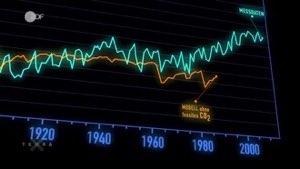
Die wichtigsten Klimafaktoren (ZDF, Terra X) 720p 50FPS
 Short
Curiosity's Seven Minutes of Terror
 Short
Wikilovesmonuments.org
 Short
Wikipedia - FactsMatter2016
 Short
President Obama on Death of Osama bin Laden no watermark
 Short
Cassini's Grand Finale
 Cartoon