From LibreTexts, under CC BY-NC-ND 4.0, as the source states it; its equations are written in TeX, which the PDF shows typeset. This page at LibreTexts.
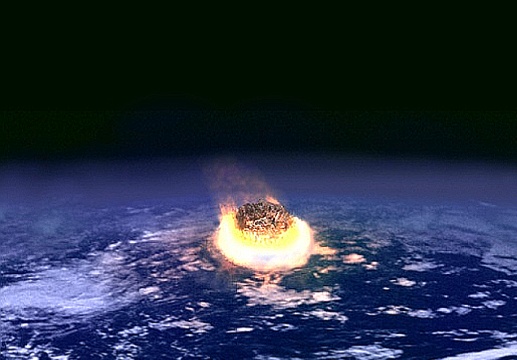
When given the opportunity, a group of species will move into available ecological niches. A classic example is when around 65 million years ago, mammals took on ecological roles formerly held by dinosaurs after the northwest top of the Yucatán Peninsula was hit by a giant asteroid which left the Chicxulub crater, a rain of fire, mega-tsunamis, and a cloud that cooled the Earth for tens of thousands of years.
Figure \(\PageIndex{1}\) - The impact of meteors can change the weather
When the dust cleared, the surviving mammal species radiated into the ecological niches formally occupied by dinosaurs. One species' misfortune is another's opportunity.
A good article on *dinosaur paleoecology. Morphospace is from morphology meaning the study of shape and space implies a landscape, or in this case an ecosystem where a particular shape is more or less adaptive.