7.1: Cognitive Theories of Intelligence

Child Growth and Develpment (MPTC Version) · LibreTexts

0%

Contents

    Text

    Size
    100%
    Theme
    Typeface
    Line length
    Spacing

    Read aloud

    How

    Speed: 1×
    Light up
    Highlight

    Symbols: Mulberry Symbols, © 2018–2026 Steve Lee, CC BY-SA 4.0 (licence, the set), the site's own copies.

    From LibreTexts, under CC BY 4.0, as the source states it; its equations are written in TeX, which the PDF shows typeset. This page at LibreTexts.

    7.1: Cognitive Theories of Intelligence

    Theorists are able to give different perspectives to the cognitive development of children and psychologists have long debated how to best conceptualize and measure intelligence (Sternberg, 2003). In the next section, we’ll look at Piaget’s theory of cognitive development, Sternberg’s alternative view to intelligence, and Gardener’s theory of multiple intelligence. Lastly, you’ll learn about the Information Processing Theory that looks at the cognitive function of children in middle childhood.

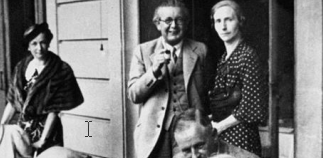
    clipboard_ea599176317911df45cd50b7c8280aeae.png
    Figure 11.1 - Jean Piaget. (Image is in the public domain)
    This page titled 7.1: Cognitive Theories of Intelligence was last modified on Fri, 07 Feb 2025 20:24:03 GMT and is shared under a CC BY 4.0 license and was authored, remixed, and/or curated by Paris, Ricardo, Rymond, and Johnson (College of the Canyons) .