Opening the book…
Fats satisfy appetite (the desire to eat) because they add flavor to foods. Fat contains dissolved compounds that contribute to mouth-watering aromas and flavors. Fat also adds texture, making baked foods moist and flakey, fried foods crispy, and adding creaminess to foods like ice cream and cream cheese. Consider fat-free cream cheese; when fat is removed from the cream, much of the flavor is also lost. As a result, it is grainy and flavorless—nothing like its full-fat counterpart—and many additives are used to replace the lost flavor.

Fats satisfy hunger (the need to eat) because they’re slower to be digested and absorbed than other macronutrients. Dietary fat thus contributes to satiety—the feeling of being satisfied or full. When fatty foods are swallowed, the body responds by enabling the processes controlling digestion to slow the movement of food along the digestive tract, giving fats more time to be digested and absorbed and promoting an overall sense of fullness. Sometimes, before the feeling of fullness arrives, people overindulge in fat-rich foods, finding the delectable taste irresistible. Slowing down to appreciate the taste and texture of foods can give your body time to send satiety signals to your brain, so you can eat enough to be satisfied without feeling overly full.
Lipids perform many functions within the body:
1) Store Energy – When we take in more energy than we need, the body stores it as adipose tissue (fatty tissue, which we call fat). Carbohydrates and lipids provide most of the energy required by the human body. As discussed in the Carbohydrates unit, glucose is stored in the body as glycogen. While glycogen provides a ready source of energy, it is quite bulky with heavy water content, so the body cannot store much of it for long. Fats, on the other hand, can serve as a larger and more long-term energy reserve. Fats pack together tightly without water and store far greater amounts of energy in a reduced space. A fat gram is densely concentrated with energy, containing more than double the amount of energy as a gram of carbohydrate.
We draw on the energy stored in fat to help meet our basic energy needs when we’re at rest and fuel our muscles for movement throughout the day, from walking to class, playing with our kids, dancing through dinner prep, or powering through a shift at work. Historically, when humans relied on hunting and gathering wild foods or on crops’ success, storing energy as fat was vital to survival through lean times. Hunger remains a problem for people worldwide, and being able to store energy when times are good can help them endure a period of food insecurity. In other cases, the energy stored in adipose tissue might allow a person to weather a long illness.
Unlike other body cells that can store fat in limited supplies, fat cells are specialized for fat storage and can expand almost indefinitely in size. An overabundance of adipose tissue can be detrimental to your health, from mechanical stress on the body due to excess weight and hormonal and metabolic changes. Obesity can increase the risk for many diseases, including type 2 diabetes, heart disease, stroke, kidney disease, and certain types of cancer. It can also interfere with reproduction, cognitive function, and mood. Thus, while some body fat is critical to our survival and good health, it can be a deterrent to maintaining good health in large quantities.
2) Regulate and Signal – Lipids regulate the temperature of your body, keeping it steady, not too hot, and not too cold. Lipids also help the body produce and regulate hormones for everything from appetite to the reproductive system to blood clotting. Lipids are key to brain structure and function; the lipids form nerve cell membranes, insulate neurons (the cables that send messages throughout the body), and help send signals within the brain.
3) Insulate and Protect – Our bodies are padded with fat, protecting us from everyday friction. The average body fat for a man is 18 to 24 percent and for a woman is 25 to 31 percent1. Still, adipose tissue can comprise a much larger percentage of bodyweight depending on the degree of obesity of the individual. Some of this fat is stored within the abdominal cavity, called visceral fat, and some are stored just underneath the skin, called subcutaneous fat. Visceral fat protects vital organs—such as the heart, kidneys, and liver. The blanket layer of subcutaneous fat insulates the body from extreme temperatures and helps keep the internal climate under control. It pads our hands and buttocks and prevents friction, as these areas frequently come in contact with hard surfaces. It also gives the body the extra padding required when engaging in physically demanding activities such as ice skating, horseback riding, or snowboarding. There are two types of fat stored as adipose tissue: subcutaneous fat and visceral fat.

4) Aid Digestion and Increase Bioavailability – When food breaks down in the gut, fat is released and combines with fat-soluble nutrients. The combination of the fat and the nutrients allows the nutrients to be digested more easily and absorbed into the body. This improved absorption is called increased bioavailability. Dietary fats can also increase the bioavailability of compounds known as phytochemicals—non-essential plant compounds considered beneficial to human health. Many phytochemicals are fat-soluble, such as lycopene found in tomatoes and beta-carotene found in carrots, so dietary fat improves the absorption of these molecules in the digestive tract.
In addition to improving the bioavailability of fat-soluble vitamins, some of the best dietary sources of these vitamins are also foods that are high in fat. For example, good vitamin E sources are nuts (including peanut butter and other nut butter), seeds, and plant oils such as those found in salad dressings. It isn’t easy to consume enough vitamin E if you’re eating a very low-fat diet. (Although fried foods are usually cooked in vegetable oils, vitamin E is destroyed by high heat so that you won’t find much vitamin E in french fries or onion rings. Your best bets are minimally-processed, whole foods.) Vegetable oils also provide some vitamin K, and fatty fish and eggs are good sources of vitamins A and D.
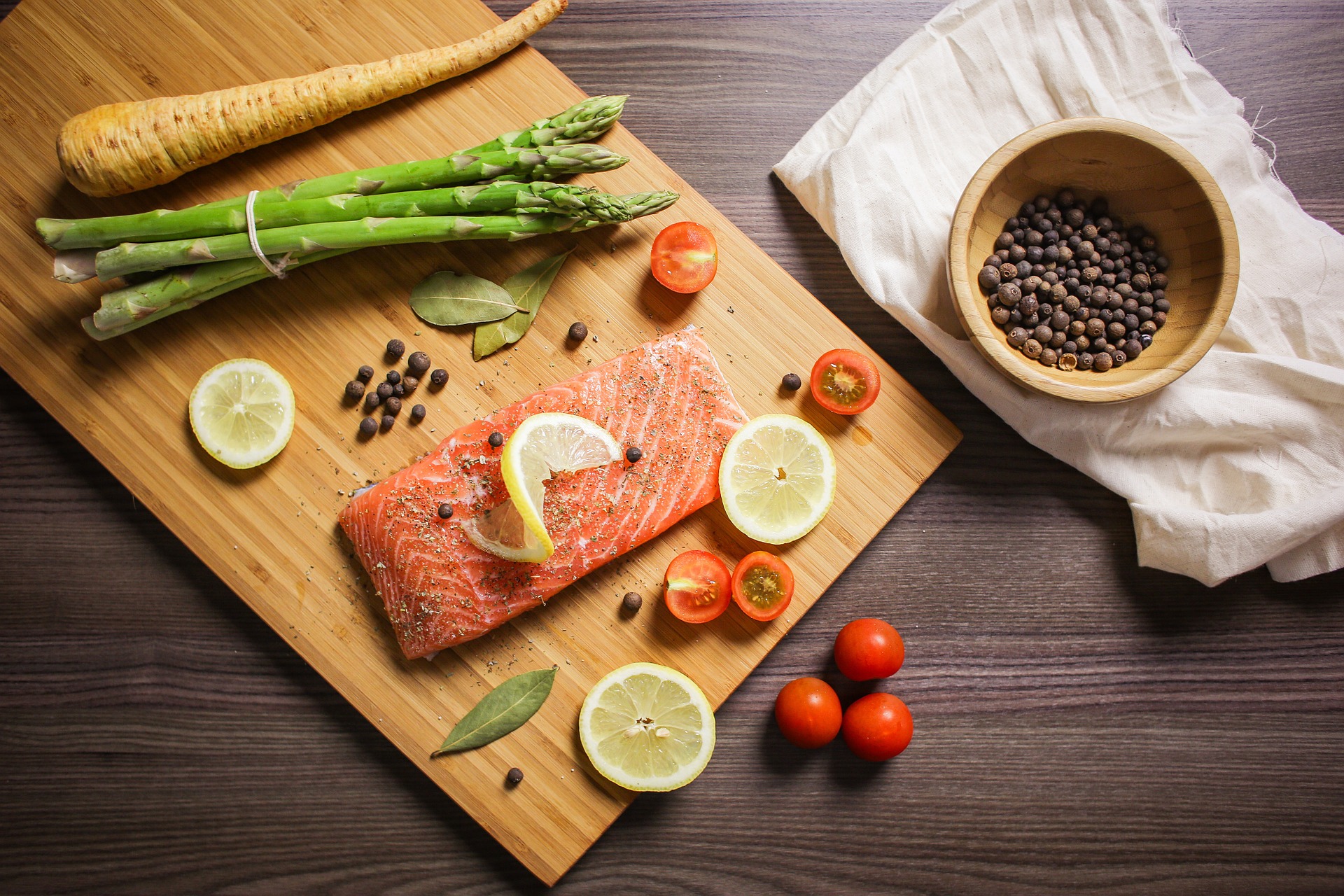
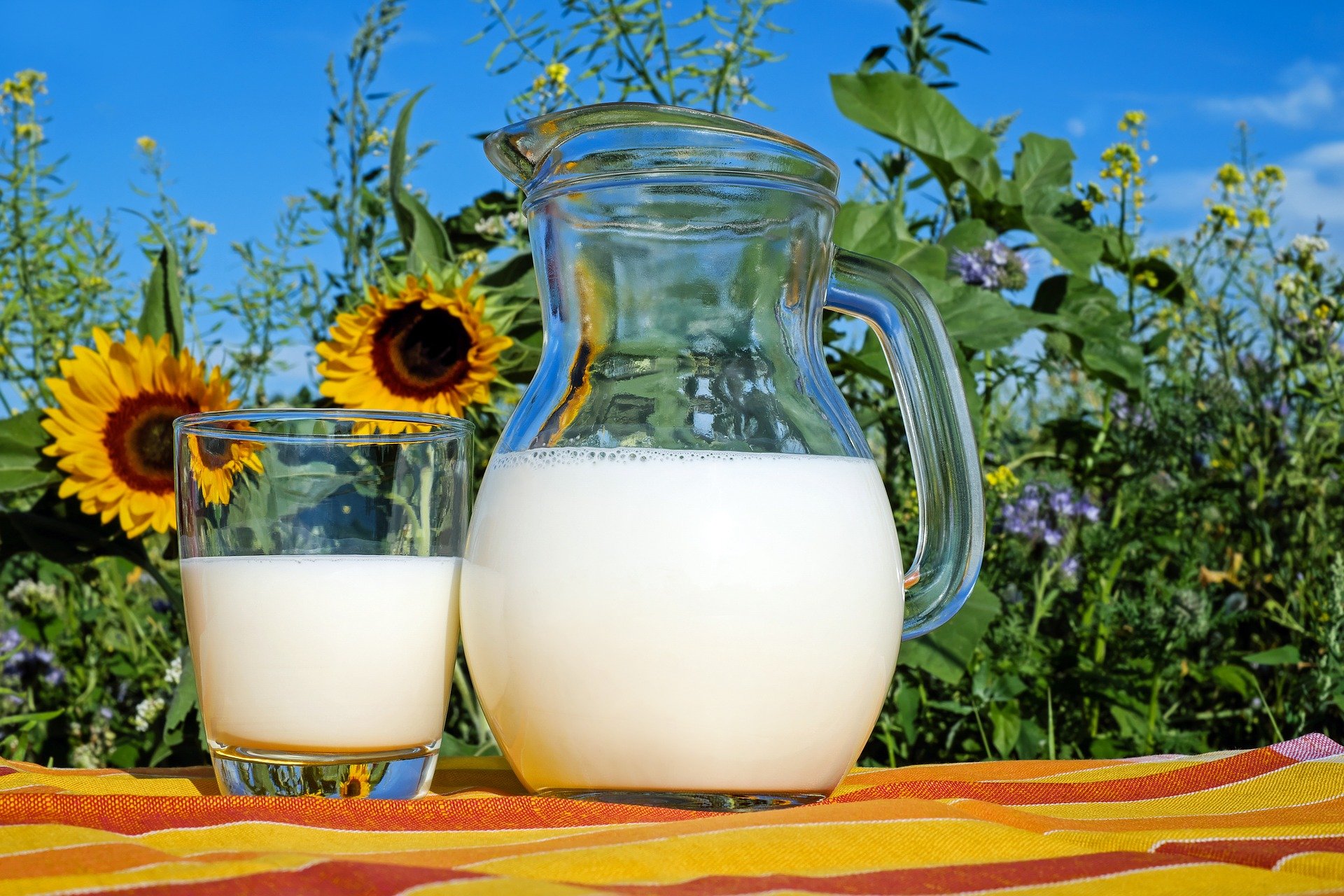
Below are images of foods that contain the four fat-soluble vitamins.
| Vitamin A | Vitamin D | Vitamin K | Vitamin E |
 |
 |
 |
 |
 |
 |
 |
 |
Vitamin A, D, K, and E are the four fat-soluble vitamins and can be found in an array of foods like butternut squash, broccoli, and salmon. Eating dietary fat in a balanced diet helps you absorb these fat-soluble vitamins, such as a kale salad with olive oil dressing and walnuts.
This page titled 9.3: What Lipids Do In the Body was last modified on Sun, 27 Sep 2026 02:35:06 GMT and is shared under a not declared license and was authored, remixed, and/or curated by Stephanie Green and Kelli Shallal via source content that was edited to the style and standards of the LibreTexts platform.
The book could not be loaded just now.