Opening the book…

Alcohol is both a beverage providing some sustenance and a drug. For thousands of years, humans have created and consumed alcohol. It is consumed in just about every country and often in excess. Alcohol is a psychoactive drug. A psychoactive drug is any substance that crosses the blood-brain barrier, primarily affecting the functioning of the brain, be it altering mood, thinking, memory, motor control, or behavior.
The US Dietary Guidelines define moderate alcohol intake as no more than one drink per day for women and no more than two drinks per day. A standard drink is equivalent to 12 ounces of beer, 5 ounces of red or white wine, or 1.5 ounces of distilled spirits. The recommendation is lower for women because women absorb and metabolize alcohol differently than men. Research has discovered that women produce smaller quantities of an enzyme called alcohol dehydrogenase (ADH), which is released in the liver and breaks down alcohol. Women also tend to have naturally higher body fat levels, and fat is known to retain alcohol, so its effects last longer in the body.

- Visit this site www.alcohol.org/bac-calculator/
- Calculate the correct number of hours.
Use the blood alcohol website to calulate how many hours it will take for a Female, weighing 150 pounds, who consumes two, 1.5 ounces servings of liquor in 30 minutes. It will take her ________ hours to reach a 0% BAC.
- Answer
-
5
The liver metabolizes alcohol. The liver can only metabolize approximately one drink an hour. If you drink more than that, the alcohol stays in your bloodstream instead of being filtered out and is in your breath, sweat, and saliva, which is why a breathalyzer test is effective for detecting alcohol.
If you consistently drink more alcohol than your liver can metabolize, your liver will suffer damage, which results in scarring. New cells divide and create clusters around the scars, but the liver becomes less able to filter as it develops more scars. Alcoholic liver disease occurs after years of heavy drinking. Men are more likely to have this problem. However, women may develop this disease after less exposure to alcohol than men. Over time, cirrhosis can occur, which is the final phase of alcoholic liver disease, and it is not reversible.
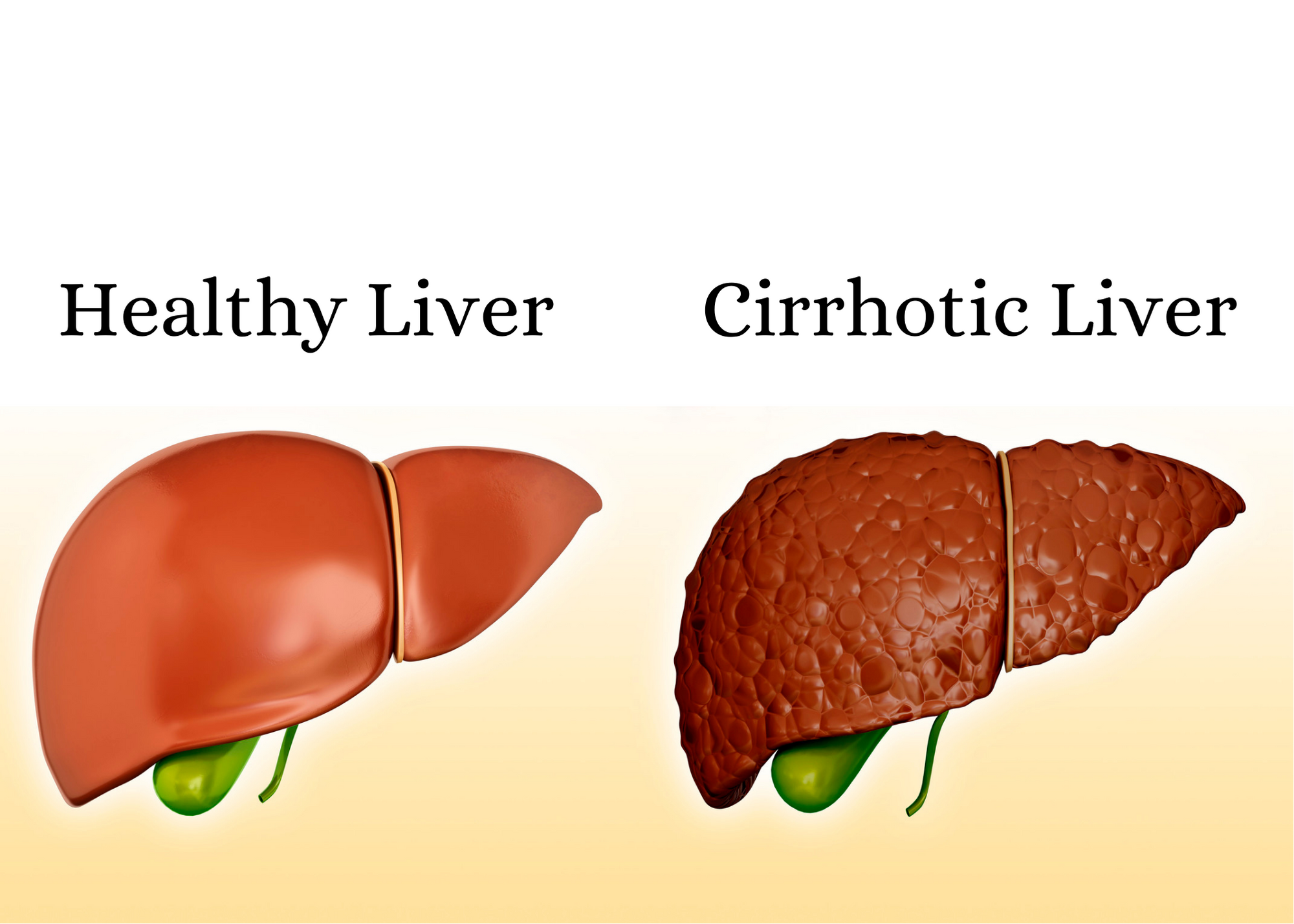
Cirrhosis Overview
This page titled 15.7: Alcohol Consumption; Metabolism, Health Benefits and Health Risks was last modified on Sun, 27 Sep 2026 02:37:12 GMT and is shared under a not declared license and was authored, remixed, and/or curated by Stephanie Green and Kelli Shallal via source content that was edited to the style and standards of the LibreTexts platform.
The book could not be loaded just now.