Opening the book…
What type of movements are used to change the orientation and placement of a shape?
What is the name of the motion that renders a shape upside down?
What do we call the motion that moves a shape to the right or left or on the diagonal?
If you are going to tessellate the plane with a regular polygon, what is the sum of the interior angles that surround a vertex?
Does a regular heptagon tesselate the plane by itself?
What are the only regular polygons that will tessellate the plane by themselves?
What is the transformation called that revolves a shape about a point to a new position?
Transformational geometry is a study of what?
Describe how to achieve a rotation transformation.
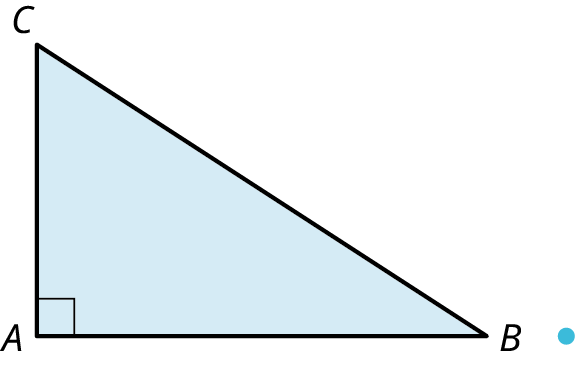
Construct a \({90^ \circ }\) rotation of the triangle shown.
Shapes can be rotated around a point of rotation or a ____________.
What is the name of the transformation that involves a reflection and a translation?
What can a tessellation not have between shapes?
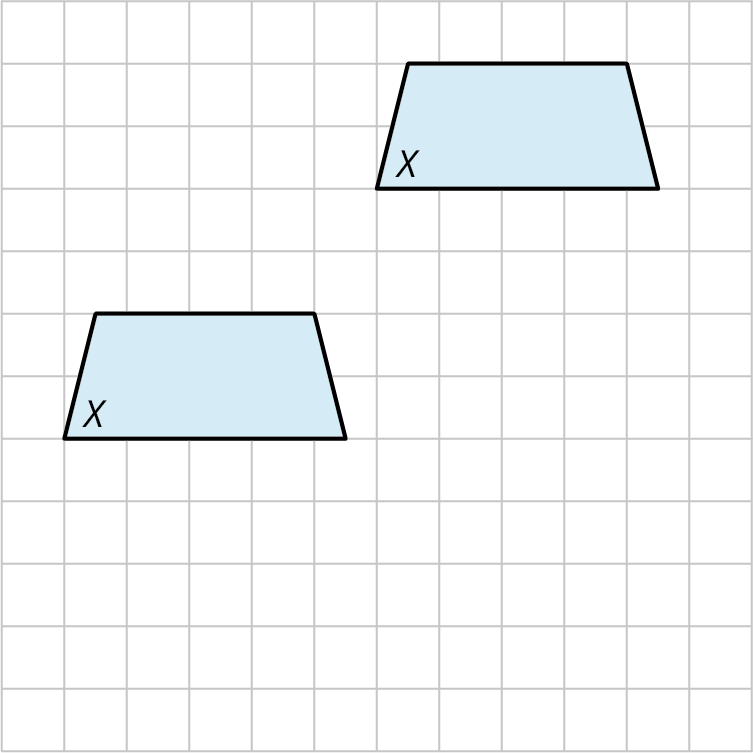
Describe the transformation shown.
What do we call a transformation that produces a mirror image?
Sketch the reflection of the shape about the dashed line.
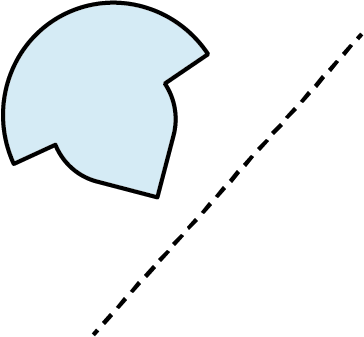
Sketch the reflection of the shape about the dashed line.
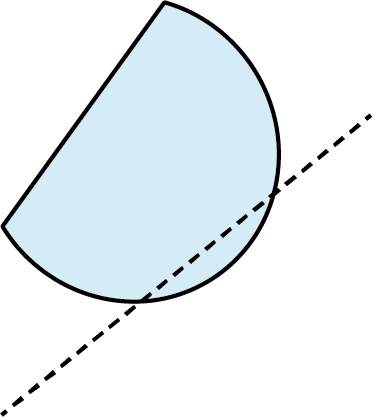
Sketch the translation of the shape 3 units to the right and 3 units vertically.
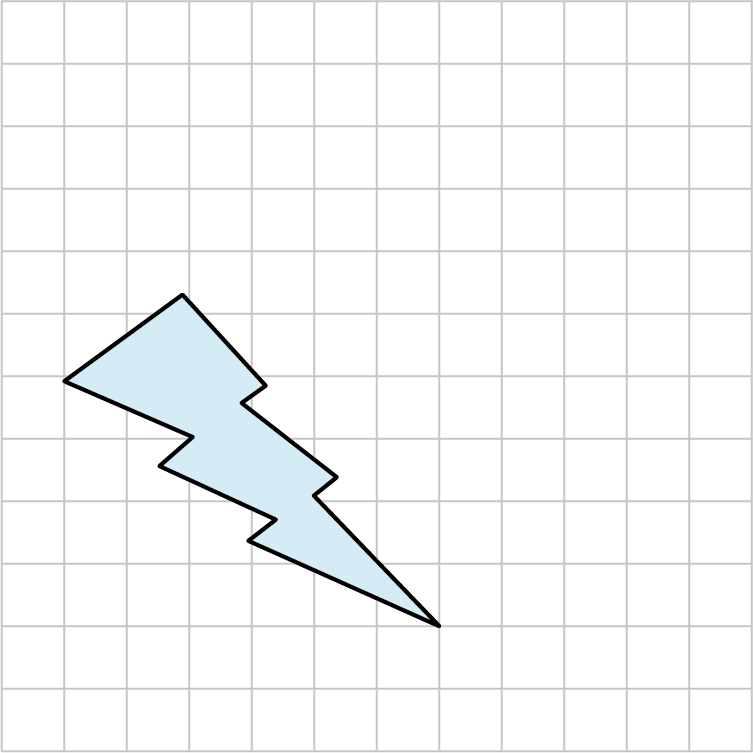
Rotate the shape \({45^ \circ }\) about the rotation point using point \(A\) as your guide.
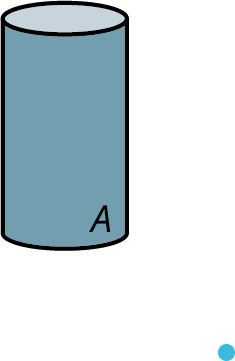
Do regular pentagons tessellate the plain by themselves?
What do regular tessellations have in common?
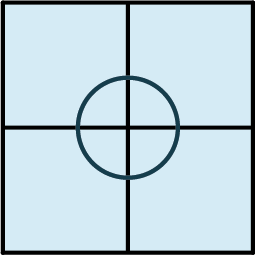
How would we name a tessellation of squares as shown in the figure?
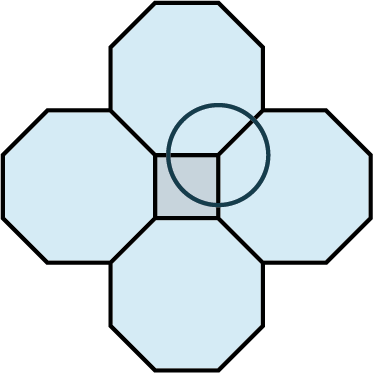
How do we name a tessellation of octagons and squares as shown in the figure?
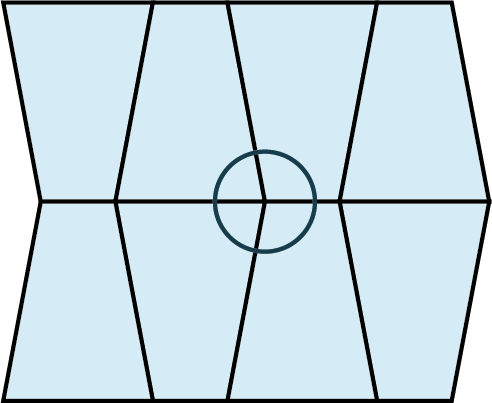
How would we name a tessellation of trapezoids as shown in the figure?
10.5.0: Exercises is shared under a not declared license and was authored, remixed, and/or curated by LibreTexts.
The book could not be loaded just now.