Opening the book…
- Recognize reflexive verbs that refer a daily routine or habitual actions
- Use the correct reflexive pronouns

Reflexive verbs are special in Spanish because they signal actions that are done by the subject to him/her/themself. In other words the subject and the object of the sentence is doing and receiving the action at the same time. You can recognize reflexive verbs by the “se” attached to the infinitive.
Verbos reflexivos

 despertarse (to wake up)
 levantarse (to get up)
arreglarse (to get ready / to ready oneself)
 bañarse (to bathe)
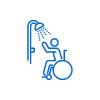 ducharse (to shower)
 lavarse (to wash)
 limpiarse (to clean)
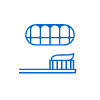 cepillarse los dientes (to brush teeth)
 cepillarse el pelo (to brush hair)
 peinarse (to comb)
 afeitarse (to shave)
 vestirse (to get dressed), ponerse (to put on), probarse (to try on)
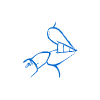 maquillarse (to put on makeup)
Otros verbos reflexivos
 acostarse (to lie down), relajarse (to relax)
 caerse (to fall down)
 cansarse (to get tired)
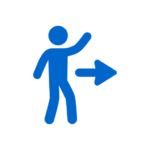 irse (to go away, to leave)
 lastimarse (to hurt oneself)
 olvidarse (to forget)
 quitarse (to remove, take away)
 sentarse (to sit)
The following are some more common reflexive verbs and their non-reflexive equivalents:
| Forma reflexiva | Forma no reflexiva |
| afeitarse (to shave oneself) |
afeitar (to shave someone or something) |
| arreglarse (to get ready/ready oneself) |
arreglar (to arrange someone or something) |
| caerse (to fall down) |
caer (to fall, go down) |
| cansarse (to get tired) | cansar (to tire out) |
| cepillarse (to brush oneself) | cepillar (to brush someone or something) |
| ducharse (to shower oneself/take a shower) |
duchar (to shower/give someone a shower) |
| irse (to go away, to leave) |
ir (to go) |
| lastimarse (to hurt oneself) |
lastimar (to hurt someone or something) |
| lavarse (to wash oneself) |
lavar (to wash someone or something) |
| levantarse (to get up) |
levantar (to lift someone or something) |
| llamarse (to be called, named) |
llamar (to call someone or something) |
| maquillarse (to put make-up on oneself) |
maquillar (to put make-up on someone else) |
| ponerse (to put on) |
poner (to put) |
| probarse (to try on) |
probar (to try, to taste) |
| quemarse (to burn oneself) |
quemar (to burn someone or something) |
| quitarse (to take off, e.g. clothing) |
quitar (to take away from someone or something) |
| relajarse (to relax oneself) |
relajar (to relax someone or something) |
Note that the meaning changes when the verb is reflexive or not.
Contributors and Attributions
CC licensed content, Original
- Gramu00e1tica: Los verbos reflexivos. Authored by: SUNY Oneonta with Lumen Learning. License: CC BY: Attribution
- Quu00e9 te motiva.... Authored by: Rachel Zaccaro. License: CC BY: Attribution
This page titled 5.3: Vocabulario- La rutina diaria y los verbos reflexivos was last modified on Thu, 29 Oct 2026 16:47:30 GMT and is shared under a CC BY-NC-SA 4.0 license and was authored, remixed, and/or curated by Beatrice Tseng and Karla Lemari via source content that was edited to the style and standards of the LibreTexts platform.
The book could not be loaded just now.