Opening the book…
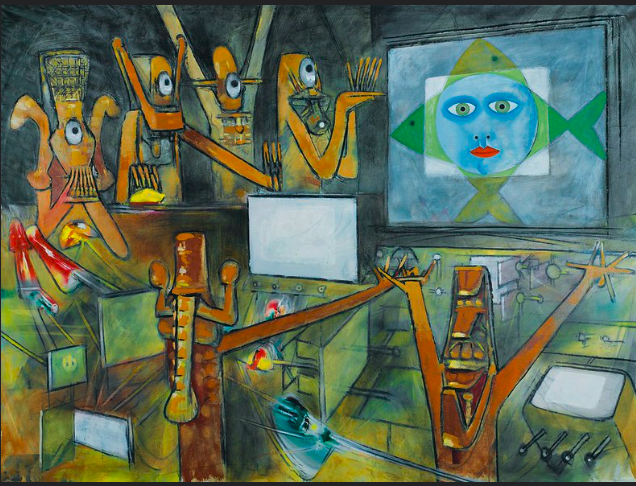
Innervision (1956)
Roberto Matta
Chile
Sobre el artista: Roberto Matta nació en Santiago, Chile en 1911 y Murió en Italia en el 2002. Fue un arquitecto, pintor y poeta. Fue considerado el último representante del surrealismo. Sus cuadros se encuentran en importantes colecciones e instituciones como el Metropolitan Museum of Art en Nueva York y la Peggy Guggenheim Collection en Venecia.
Capítulo 11: El mundo de la tecnología
Learning Objectives
At the end of this chapter, students will be able to perform the following tasks in Spanish:
- I can talk about how I use technology
- I can make comparisons and tell what is best or worst
- I can give people simple commands
Vocabulario
Technology, Computers, and the Internet
Mosaicos culturales
La tecnología
Estructuras gramaticales
11.1 Making Comparisons
11.2 Expressing Extremes: Superlatives
11.3 Expressing by, through, Destination, Time, Price, Beneficiary, and Purpose: por and para
11.4 Influencing Others: Formal (Polite) Commands
Cultura
País: Chile
Música: Mon Laferte
Personalidad: Isabel Allende
Lectura
Isla de Pascua o Rapa Nui
Vocabulario: El mundo de la tecnología
| La tecnología | Technology |
|---|---|
| el altavoz | speaker |
| la aplicación | application / app |
| la cámara digital | digital camera |
| el canal | (TV) channel |
| el cargador | charger |
| el control remoto | remote control |
| el correo de voz | voice mail |
| el (teléfono) celular | (cell) phone |
| la impresora | printer |
| el móvil | cell phone (Spain) |
| el televisor | television set |
| la televisión | television program |
¡Inténtalo!

| La computadora | Computer |
|---|---|
| el archivo | file |
| la arroba | “@” sign |
| el blog | blog |
| el buscador; navegador | browser |
| la computadora | computer |
| la computadora portátil | laptop |
| la conexión inalámbrica | wireless connection |
| el correo electrónico | |
| el cursor | cursor |
| la dirección electrónica | email address |
| el enlace | link |
| Internet; Red informática | Internet |
| el ordenador (Spain) | computer |
| la página Web | Web page |
| el wifi | wifi |
¡Inténtalo!
| Verbos | Verbs |
|---|---|
| apagar | to turn off |
| archivar | to file; to save |
| bajar; descargar | to download |
| borrar | to delete |
| chatear | to chat |
| encender; prender | to turn on |
| escanear | to scan |
| fotocopiar | to photocopy |
| funcionar | to function; to work |
| grabar | to record |
| guardar | to keep; to save |
| imprimir | to print |
| instalar | to install |
| llamar | to call |
| mandar | to send |
| navegar (en internet) | to ‘surf’ (the Internet) |
| poner | to turn on lights |
| publicar | to post |
| programar | to program |
| sonar (o:ue) | to ring |
¡Inténtalo!
| Adjetivos | Adjectives |
|---|---|
| descompuesto (a) |
not working; out of order |
| lento (a) |
slow |
| lleno (a) |
full |
| Los dispositivos electrónicos |
Electronic Devices |
|---|---|
| la computadora | computer |
| la computadora portátil (el ordenador) | laptop |
| el celular; el móvil (Spain) | 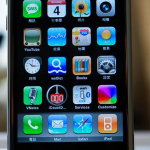 |
| la tableta | 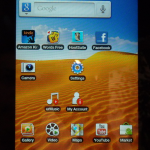 |
| el iPad | Apple iPad |
| los audífonos; auriculares; los cascos (Spain) |
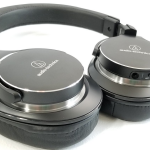 |
| Las redes sociales (Social Media) | ||
|---|---|---|
| redes sociales de relaciones | redes sociales de entretenimiento | redes sociales profesionales |
| el Facebook / Instagram el X (Twitter) Snapchat |
el YouTube el Vimeo Tik Tok |
|
| Lenguaje chat:
xq? – “¿Por qué?” tkm – “Te quiero mucho” tb – “también” k tl? – “¿Qué tal?” |
|---|
Vocabulario tecnológico y de internet (Additional presentation to learn vocabulary related to technology)
Actividad # 1
Tengo… Necesito/Quiero… Make a list of all the devices you have, the ones you wish to have, and why.
| Tengo | Necesito / Quiero …porque |
|---|---|
Actividad # 2
¿Para qué se usa? Match the devices with their uses.
- _____ el teléfono móvil a. para tomar apuntes (notes) en clase.
- _____la pantalla b. para buscar información.
- _____el ratón c. para escuchar música o audio.
- _____el buscador; navegador d. para ver un documento en la computadora.
- _____la computadora portátil e. para hacer llamadas.
- _____los audífonos f. para mover el cursor.
¡Inténtalo!
Actividad # 3
Paso 1. Complete the following phrases to describe your relationship with technology.
- (No) Me encanta la tecnología porque ___________________ .
- Estoy conectado (a) al Internet _____ (time frame) al día porque ___________ .
- La red social que más uso es ______________ porque _______________ .
- No me puedo imaginar mi vida sin (without) __________ (aparato) porque _______________ .
- Uso el Internet generalmente para ___________________ .
- Normalmente escucho música por ___________________ .
Paso 2. Now, compare your answers with a compañero (a). Are they similar or very different? Be prepared to share your findings with the class.
Actividad # 4
Lectura: Las redes sociales más usadas en Latinoamérica. Read the following article about Latin America’s most popular social media. Then, get together with a compañero (a) to answer the questions.
*Algunas redes sociales más usadas en Latinoamérica
 uda
Año de fundación: 2004
Usuarios en Latinoamérica: 380 millones
Esta es la red social más versátil y completa. Un lugar para generar negocios, conocer gente, relacionarse con amigos, informarse, divertirse, debatir, entre otras cosas.
 Instagram
Año de fundación: 2010
Usuarios en Latinoamérica: 246 millones
Instagram fue una de las primeras redes sociales exclusivas para acceso móvil. Es una red social de compartir fotos y vídeos entre usuarios, con la posibilidad de aplicación de filtros.
 LinkedIn
Año de fundación: 2002
Usuarios en Latinoamérica: 141 millones
LinkedIn es la mayor red social corporativa del mundo. Es similar a las redes de relaciones, pero la diferencia es que su foco son contactos profesionales — es decir, en lugar de amigos, tenemos conexiones, y en lugar de páginas, tenemos empresas.
 WhatsApp
Año de fundación: 2009
Usuarios en Latinoamérica: 158 millones
WhatsApp es la red social de mensajería instantánea más popular. Prácticamente toda la población que tiene un smartphone tiene también el WhatsApp instalado.
*Adapted from Redes Sociales.
Preguntas de comprensión.
- ¿Cuál es la red social más popular en Latinoamérica?
- ¿Qué red social te permite buscar trabajo?
- ¿En qué año empezó a funcionar el Instagram?
- Según el artículo, ¿Cuántas personas usan Facebook?
- Según tu opinión, ¿Cuál es la red social más importante? Y ¿Por qué?
Mosaicos culturales: La tecnología
La aplicación de comunicación más utilizada en Latinoamérica es Whatsapp. Algunas personas lo pronuncian como Guasap o simplemente Guas.
Es común oír:
– Avísame por Guas.
-Me enteré (I found out) por el Guas del grupo.
Y ahora ustedes…
- ¿Qué tipo de red social usas para comunicarte con tus amigos?
- ¿Cuáles son las ventajas y desventajas de las redes sociales?
Las abreviaciones de los textos en español
En español también se utilizan abreviaturas cuando se escribe textos para ahorrar (save) tiempo. Algunas frases comunes son:
Mensaje: MSJ
Te quiero mucho: TQM
No lo sé: NLC
Qué: K
Cómo: Kmo
¿qué te pasa?: q tpsa?:
Y ahora ustedes…
- ¿Escribes y recibes muchos textos al día?
- ¿Qué opinas del uso de los “emoyi”?
11.1 Gramática: Comparisons of equality and inequality
A. Las comparaciones de igualdad ( = )
Use the following construction to make comparisons of equality.
| Tan + adjective / adverb + Como as as |
|---|
|
Esta niña es TAN alta COMO el niño.
|
| Ronaldo juega TAN bien COMO Messi. Ronaldo plays as well as Messi. 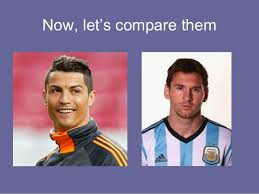 |

|
*Tanto / a (s) + noun + Como *Tanto/a/os/as need to match the noun in gender and number |
|---|
| Yo tengo TANTA tarea COMO mis compañeros de clase. I have as much homework as my classmates.  |
| Mark Zuckerberg tiene TANTO dinero COMO Bill Gates. Mark Zuckerberg has as much money as Bill Gates.  |
| Verbos + tanto como as much as |
|---|
| La manzana pesa TANTO COMO la naranja. The apple weighs as much as the orange.  |
| Mi amiga Sarita estudia TANTO COMO yo. My friend Sarita studies as much as I do.  |
B. Las comparaciones de desigualdad ( + / – )
Use the following construction to make comparisons of inequality.
| MÁS / MENOS + adjective / adverb + QUE more / less noun than |
|---|
| El niño es MÁS alto QUE la niña. The boy is taller than the girl.  |
| Lupita corre MÁS rápido QUE su hermano. Lupe runs faster than her brother.  |
| Los estudiantes tienen MÁS likes QUE la profesora. The students have more likes than the instructor.   |
|
Verbos + más / menos que Yo cocino MÁS QUE mi esposo. Mi mamá textea MENOS QUE yo. Ella trabaja MÁS QUE él. |
|---|
*Los irregulares (Irregular Forms)
| Instead of using:
Más bueno |
Use:
Mejor (es) better |
|---|
*Do not use MÁS and MENOS with these irregular forms.
Ejemplo:
Yo soy MAYOR QUE mi hermana.
I am older than my sister.
Actividad # 1
Tanto / tanta / tantos / tantas _____ Como. Fill in the blank with the correct form of tanto that matches the noun in gender and number.
- Yo tengo __________ amigos en Facebook como mi hermana.
- Yo no publico __________ fotos en Instagram como mis estudiantes.
- Antonio tiene __________ clases como su amiga Lisa.
- Mónica lee __________ libros de historia como su esposo.
¡Inténtalo!
Actividad # 2
Comparaciones. Choose the phrase from the right that best describes the statement on the left.
| 1. Mi prima y yo tenemos doce años. ____ | a. Yo soy mayor que mi hermana. |
| 2. Mi padre trabaja 45 horas cada semana y mi madre trabaja 60. ______ | b. Soy tan joven como ella. |
| 3. A Tomás y a Natalia les encanta la fruta._____ | c. Él lee más que yo. |
| 4. Mateo y yo corremos cinco kilómetros todos los días._____ | d. Él es menos trabajador que ella. |
|---|---|
| 5. Luis tiene muchos libros, pero yo sólo tengo dos.______ | e. Él es tan activo como yo. |
| 6. Mi hermana tiene 51 años y yo 53. _____ | f. Ella come tantas manzanas como él. |
Actividad # 3
Opiniones. Read the following statements. If you agree, say: “Estoy de acuerdo”; if you don’t agree, say: “No estoy de acuerdo”, and then express your opinion.
Ejemplo: Las películas de acción son más emocionantes que las de ciencia ficción.
No estoy de acuerdo. Para mí, las películas de acción son tan emocionantes como las de ciencia ficción.
- El español es tan difícil como el Inglés.
- Los estudiantes estudian más que los profesores.
- La clase de matemáticas es tan fácil como la clase de arte.
- Netflix tiene más programas que Hulu.
- El fútbol es tan divertido como el fútbol americano.
Actividad # 4
Comparar. Paso 1. According to your opinion, write a comparison of the following people or things. You may need to include additional words and be mindful of gender and number.
- iPhone / Samsung (mejor, rápido, eficiente, barato)
_____________________________________________________.
- YouTube / Vimeo (mejor calidad, tener más videos, barato, usuarios)
_____________________________________________________.
- Fútbol / fútbol americano (rápido, violento, divertido)
_____________________________________________________.
- Los perros / los gatos (cariñoso, independiente, activo, inteligente)
_____________________________________________________.
- Tú / tu mejor amigo (a) (inteligente, ordenado, trabajador, responsable)
_____________________________________________________.
- Películas extranjeras / películas de horror (interesante, predecible, mejor)
_____________________________________________________.
Paso 2. Now, compare your opinions with a compañero (a).
Explain your reasons, and be prepared to share your findings with the class.
Actividad # 5
Tú vs. tu mejor amigo (a). Answer the following questions using complete sentences and comparisons.
- ¿Eres más alto (a) que tu mejor amigo (a)?
- ¿Eres más sociable o más reservado (a) que tu mejor amigo (a)?
- ¿Eres mayor o menor que tu mejor amigo (a)?
- ¿Publicas en las redes sociales tantas fotos como tu mejor amigo (a)?
- ¿Estudias más que o menos que tu mejor amigo (a)?
- ¿Quién tiene mejores notas en las clases?
Actividad # 6
Las familias de hoy en día. In groups, look at these two families and make five (5) comparisons between them.


- ______________________________
- ______________________________
- ______________________________
- ______________________________
- ______________________________
11.2 Gramática: Superlative
Superlatives in English and Spanish express the highest or lowest degree of a quality.
For example:
| the greatest | the worst | the least | the most |
|---|---|---|---|
| el / la mejor | el / la peor | el / la menos | el / las más |
Examples in English:
María is the smartest person in her family.
New York is the most exciting city in the United States.
Adele is the best singer in the world.
To talk about a superlative in Spanish, follow this formula:
| Subject and verb + | el la los las |
+ más/menos | + adjective | + de |
|---|
Example: María is the smartest person in her family.
| Paso 1 | Subject and Verb | María es |
|---|---|---|
| Paso 2 | Definitive article: el / la / los / las | la |
| Paso 3 | más / menos | más |
| Paso 4 | Adjective | inteligente |
| Paso 5 | of a group (optional) | (de su familia) |
If the details are already clear from the context, I can say:
María es la más inteligente.
Maria is the smartest.
Or I can include the optional details:
María es la persona más inteligente de su familia.
Maria is the smartest person in her family.
Irregular Superlatives
| Adjective | Superlative form | ||
|---|---|---|---|
| bueno / a | good | el / la mejor | (the) best |
| malo / a | bad | el / la peor | (the) worst |
| grande | grown, adult | el / la mayor | (the) oldest |
| pequeño / a | young | el / la menor | (the) youngest |
| joven | young | el / la menor | (the) youngest |
| viejo / a | old | el / la mayor | (the) oldest |
When using irregular superlative forms, follow this formula:
| Subject and Verb + | el la los las |
+ | mejor (es) peor (es) mayor (es) menor (es) |
+ (noun) | + de |
|---|
Ejemplos:
Yo soy LA MAYOR de mi familia. iPhones son LOS MEJORES teléfonos del mercado.
I am the oldest in my family. iPhones are the best phones in the market.
El abuelo es viejo. (description)
El padre es MAYOR QUE la madre. (comparison)
El abuelo es EL MAYOR de la familia. (superlative)
Miguelito es joven. (description)
Little Miguel is young.
Miguelito es MENOR QUE Lupita. (comparison)
Little Miguel is younger than Lupita.
Miguelito es EL MENOR de la familia. (superlative)
Little Miguel is the youngest in the family.
Actividad # 1:
¡Vamos a hablar!
¿Estás de acuerdo o no? Paso 1. Indicate if you agree or not with the following statements. If you agree, say: Estoy de acuerdo. If you don’t, say: No estoy de acuerdo and express your opinion.
- Apple es la mejor marca para computadores.
- Filibertos sirve la peor comida mexicana.
- El peor mes del año es enero.
- La ciudad más bonita de Estados Unidos es Nueva York.
- El hip-hop es la mejor música para bailar.
- El problema más serio del mundo es el uso del plástico.
Paso 2. With a partner, compare your answers from Paso 1 and see if you agree or disagree and why.
Actividad # 2: ¡Vamos a hablar!
¿Qué opinas de Hollywood? Use superlatives to answer the following questions about Hollywood.
- ¿Quién es el actor/ la actriz más atractivo (a)?
- ¿Quién es el actor más talentoso?
- ¿Quién es la actriz más talentosa?
- ¿Cuál es la mejor película del año?
- ¿Cuál es la peor película que has visto (you’ve seen) en tu vida?
Actividad # 4
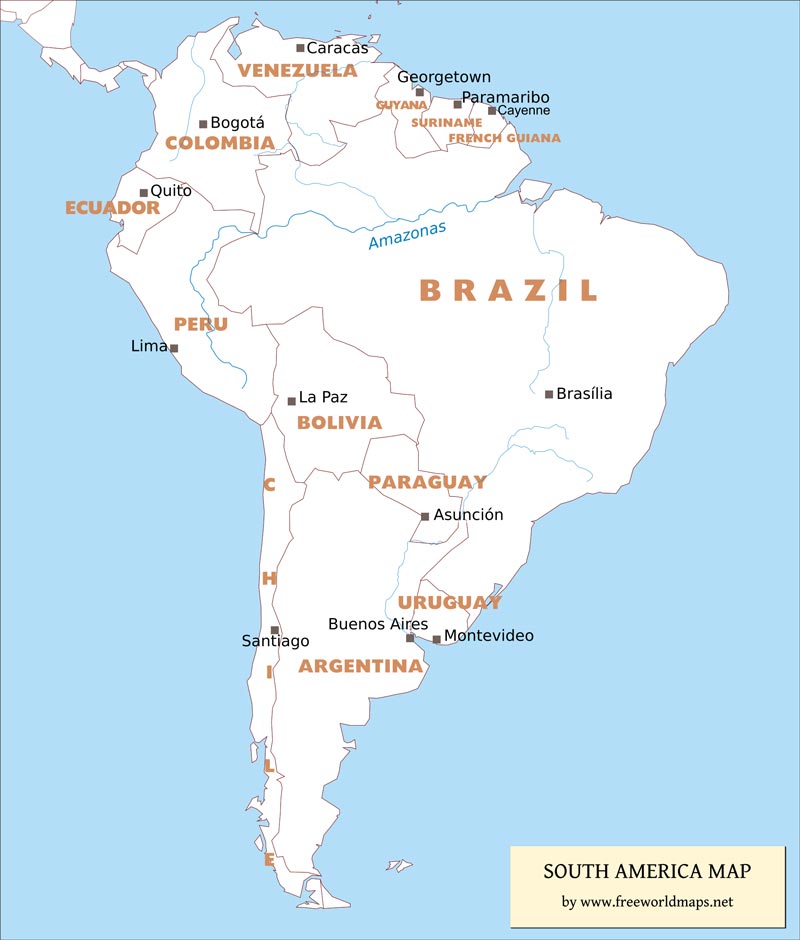
La geografía. Look at the map of South America and answer the following questions.
1. ¿Cuál es el país (country) más grande de Suramérica?
_____________________________________________________.
2. ¿Cuál es el país más pequeño de Suramérica?
_____________________________________________________.
3. ¿Cuál es el país más largo de Suramérica?
_____________________________________________________.
4. ¿Cuál es el país más conocido (known) de Suramérica? Y ¿por qué?
_____________________________________________________.
Actividad # 5
Shazam, ¿el héroe más poderoso?
Paso 1. Watch this promotional video of Shazam (use the closed caption).
Paso 2. Work with a partner and complete the phrases below according to the video.
(use superlatives)
- Shazam es ___________________________ Superman.
- Es ___________________________ Flash.
- Tiene una voz ___________________________ la de Batman.
- Es ___________________________ Aquaman.
- Tiene ___________________________ Aquaman.
- El olor a pizza y desodorante es_____________ el olor a pescado.
| Absolute Superlative
In Spanish, the absolute superlative is equivalent to extremely, exceptionally, super, or very.
Inteligente>>> -inteligent- >>> inteligentísimo mucha >>> much- >>> muchísima ¡Mi hijo es inteligentísimo! Hay muchísima tarea en esta clase.
rica >>> riquísima largo >>> larguísimo feliz >>> felicísimo
joven + -císimo >>> jovencísimo trabajador + -císimo >>> trabajadorcísimo
fácil >>> facilísimo difícil >>> dificilísimo Los exámenes de español son facilísimos. |
|---|
Actividad # 1
La concordancia. Fill in the blanks using ísimo/ísima (s) superlatives to complete the sentences below. Pay attention to the agreement on gender and number. Use the adjectives provided in the following word bank.
Ejemplo:
Yo creo que Bill Gates tiene mucho dinero. (rico) Él es riquísimo.
| Banco de palabras
generoso cómico guapo caliente caro bueno rico (rich or delicious for food) aburrido |
|---|
- Yo creo que Trevor Noah es un buen comediante. Él es ________________.
- Cuidado con la sopa porque está ___________________.
- Mi novio es muy atractivo. Él es ___________________.
- Los carros Ferrari son __________________________.
- En mi opinión, la serie de ¨Juego de Tronos¨ fue ____________________.
- Tengo una amiga que siempre paga cuando salimos a comer. Ella es ___________________.
Actividad # 2
¡Súper! Spanish speakers often use ‘súper’ with adjectives to add emphasis.
Ejemplos:
La clase de español es súper interesante. Los tacos de pescado son súper ricos.
The Spanish class is super interesting. Fish tacos are super delicious.
Convert adjectives paired with “súper” into superlatives using the ísimo/a/s suffix. Then, give the English equivalent.
- Súper fácil = _________________ En inglés, significa: __________________.
- Súper aburrido = ______________En inglés, significa: _________________.
- Súper baratos = _______________En inglés, significa: _________________.
- Súper buena = ________________En inglés, significa: _________________.
- Súper rica = __________________ En inglés, significa: _________________.
11.3 Gramática: Por vs. Para
Depending on the context, Spanish has two words for por and para. These two prepositions are not interchangeable. Please study the following chart to see how they are used.
| POR – I’M ATTRACTED MORE | |
|---|---|
| I – *Idiomatic expressions | |
| M – Movement: Motion or a general location (around, through, along, by) | Caminé por el parque ayer con mi perro. I walked through the park with my dog. |
| A – Apology / Emotion | Siento mucho amor por ti. I feel a lot of love for you. |
| T – Thanks | Gracias por tu ayuda. Thanks for your help. |
| T – Transportation / Communication | Yo viajé en Europa por tren. I traveled in Europe by train.¿Quieres hablar por teléfono? Do you want to talk on the phone? |
| R – Reason / Cause for an action (because of, due to) | No fuimos a la fiesta por la lluvia. We didn´t go to the party because of the rain. |
| A – Amount of time: duration of an action (for, during) | Anoche estudié por dos horas. Last night I studied for two hours. |
| C – Cost / Value | Compré el teléfono por 600 dólares. I bought my phone for $600. |
| T – To be accomplished (*yet to happen) | La clase está por terminar. The class is about to end. |
| E – Exchange / Substitution (for, in exchange for) | Te doy 20 dólares por esos boletos. I will give you 20 dollars for those tickets. |
| D – Disposition / Mood / In favor (about to do…) | Estoy por llamarte. I am about to call you. |
| M – Mistaken Identity | Me confundieron por mi hermana. They mistook me for my sister. |
| O – On behalf of | Mi amiga trabajó por mí ayer. My friend worked for me yesterday. |
| R – Rate / Measurement | Ella manejaba a 120 kilómetros por hora. She was driving 120 kilometers per hour. |
| E – Errand | Voy al supermercado por frutas. I am going to the supermarket to get fruit. |

*Common Idiomatic Expressions with POR
| por ahora | for now |
|---|---|
| por aquí | around here |
| por casualidad | by chance |
| por Dios | for God’s sake |
| por ejemplo | for example |
| por eso | that’s why |
| por favor | please |
| por fin | finally |
| por lo general | in general |
| por si acaso | just in case |
| ¡por supuesto! | of course! |
| por todas partes | everywhere |
| por último | finally |
| por si las moscas | just in case |
| Para – PERFECTO |
|
|---|---|
| P – Purpose (+ noun) (use of something) | El libro es para traerlo a la clase. The book is to be brought to class. |
| E – Expectation / Goal (in order to) | Estudio para ser enfermera. I am studying to be a nurse. |
| R – Recipient | Este regalo es para ti. This gift is for you. |
| F – Future / Deadlines | La tarea es para mañana. The homework is due tomorrow. |
| E – Employment (who you work for) | La profesora trabaja para MCC. The instructor works for MCC. |
| C – Comparison / Contrast (from what´s expected) | Mi carro funciona bien para ser del año 1998. My car works well for a 1998. |
| T – Toward a specific (destination) | El próximo verano voy para España. Next summer I am going to Spain. |
| O – Opinion | Para mí, ser bilingüe es muy importante. For me, being bilingual is very important. |
Actividad # 1
¿POR o PARA? Fill in the blank with either por or para, depending on the situation in each sentence. Then, write the reason you think your choice is correct.
- Tengo que leer este libro ________ mañana.
- Yo estudio _________ ser una ingeniera eléctrica.
- Mario, ¿puedes trabajar _______ mí el próximo sábado, por favor?
Quiero ir a un concierto. - Mis estudiantes llegan a la universidad _______ autobús.
- Yo estuve en España ________ tres meses el año pasado.
- Cuando viajo a California, voy _________avión.
- Papá, gracias _______ ayudarme.
- Yo siempre voy al gimnasio ________ la mañana.
¡Inténtalo!
Actividad # 2
Describir. Using por or para write a complete sentence describing each image.
1. Los niños 
________________________________________.
2. Él 
________________________________________.
3. La caja 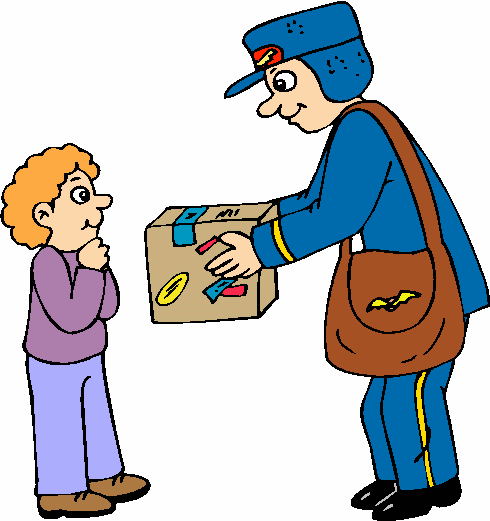
________________________________________.
4. El chico 
________________________________________.
5. La tarea (mañana) 
________________________________________.
6. Pagué ($500) 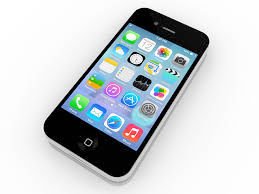
________________________________________.
¡Inténtalo!
Actividad # 3
¡Vámonos de viaje! Work with a compañero (a) think about a place you would like to visit. Answer the following questions to help you plan your trip. Then, make a
summary of your plans.
- ¿Para qué quieren hacer este viaje?
- ¿Para cuándo es el viaje?
- ¿A qué hora quieren salir, por la mañana, por la noche?
- ¿Cómo van a viajar?
- ¿Por cuánto tiempo piensan ir?
- ¿Cuánto dinero necesitan para este viaje?
Resumen (Summary):
__________________________________________________________
__________________________________________________________
__________________________________________________________
__________________________________________________________.
Actividad # 4
Una entrevista con Fernando Botero.
Paso 1. Read the following interview and underline the prepositions por and para. Then, explain why they were used.
Ejemplo: ¿Por qué fue a México? (reason or cause)
| Entrevistadora: Buenos días, señor Botero, gracias por esta entrevista. Usted nació y estudió en Medellín, pero se fue a vivir a Bogotá. ¿Por qué tomó esa decisión?
Botero: Me fui para Bogotá porque había más oportunidades. Allí, tuve dos exposiciones y gané un premio. Después de eso, decidí viajar a Europa. Entrevistadora: ¿Y qué hizo en Europa? Botero: Primero, viajé a España para estudiar la pintura de Goya y Velázquez en especial. Luego, viajé por Francia e Italia para conocer las grandes obras maestras en los museos europeos. Estudié por varios meses en cada lugar, y luego me fui para México. Entrevistadora: ¿Y por qué fue a México? Botero: Fui para conocer la obra de los muralistas mexicanos. Sin embargo, para mí, la pintura del mexicano Rufino Tamayo fue una influencia y creé mi propio estilo. Después de México, me fui para Nueva York. Entrevistadora: ¿Tuvo exposiciones en Nueva York? Botero: Sí, en 1957 tuve una exposición exitosa. También allí pinté mi cuadro Mona Lisa, que ahora está en el Museo de Arte Moderno. Entrevistadora: Muchas gracias por su tiempo. 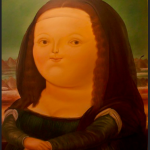 |
|---|
Paso 2. Answer the following questions based on the interview.
- ¿Cuál es la nacionalidad de Botero?
- ¿Por qué se mudó a Bogotá?
- ¿Para qué viajó a España?
- ¿Dónde está uno de sus cuadros en los E.E. U.U.?
11.4 Gramática: Los mandatos formales –Formal (usted / ustedes) Commands
As you learned in capítulo 10, commands are used to give orders or advice. The usted / ustedes commands (formal) are used when you want to give an order or advice to someone you usually address with usted.
A. Affirmative usted (Ud.) and ustedes (Uds.) commands (+)
| Las terminaciones regulares
Ud. Uds. -ar -e -en |
|---|
| Infinitive | Ud. Command | Uds. Command |
|---|---|---|
| hablar | hable | hablen |
| escribir | escriba | escriban |
| borrar | borre | borren |
| imprimir | imprima | impriman |
| Note: Commands are strong forms, even if they are formal. Use por favor whenever possible to soften your request. | ||
Hable más despacio. Borren sus correos.
Speak slowly. Erase your emails.
*Verbs with irregular YO form in the present tense usually maintain the same irregularity in the command form.
| Infinitive | YO present | Ud. command | Uds. command |
|---|---|---|---|
| conocer (to know) conducir (to drive) decir (to say) hacer (to do; to make) ofrecer (to offer) oír (to hear) poner (to put) salir (to leave) tener (to have) traducir (to translate) traer (to bring) venir (to come) ver (to see) |
conozco conduzco digo hago ofrezco oigo pongo salgo tengo traduzco traigo vengo veo |
conozca conduzca diga haga ofrezca oiga ponga salga tenga traduzca traiga venga vea |
conozcan conduzcan digan hagan ofrezcan oigan pongan salgan tengan traduzcan traigan vengan vean |
Ejemplos:
Oiga, venga para acá. Haga la tarea ahora mismo.
Listen, come over here. Do the homework right now.
Tenga cuidado, por favor. Ponga sus libros aquí.
Be careful, please. Put your books here.
* Verbs with vowel changes in the present tense usually maintain the same stem change in the command form.
| Infinitive | YO present | Ud. command | Uds. command |
|---|---|---|---|
| pensar (e:ie) (to think) perder (e:ie) (to lose) cerrar (e:ie) (to close) dormir (o:ue) (to sleep) volver (o:ue) (to return) servir (e:i) (to serve) repetir (e:i) (to repite) conseguir (e:i) (to get) |
pienso pierdo cierro duermo vuelvo sirvo repito consigo |
piense pierda cierre duerma vuelva sirva repita consiga |
piensen pierdan cierren duerman vuelvan sirvan repitan consigan |
Ejemplos:
Piense en su futuro. Cierren los libros.
Think about your future. Close the books.
* Verbs ending in –car, –gar, and –zar have a spelling change in command forms.
Sacar (to take out) c → qu saque, saquen
Jugar (to play) g → gu juegue, jueguen
Almorzar (to have lunch) z → c almuerce, almuercen
* Irregular formal commands
| Infinitive | Ud. command | Uds. command |
|---|---|---|
| dar (to give) estar (to be) ir (to go) saber (to know) ser (to be) |
dé esté vaya sepa sea |
den estén vayan sepan sean |
B. Negative usted (Ud.) and ustedes (Uds.) commands. To make a formal command negative, place NO before the verb.
Ejemplos:
No vaya a la fiesta. No jueguen más videojuegos y estudien.
Don´t go to the party. Don´t play more video games and study.
C. Position of Pronouns with commands
* In affirmative commands, the pronouns (reflexive, indirect, and direct) are always attached to the end of the verb. (ONE WORD)
Ejemplos:
* Acuéstese ahora mismo. * Siéntense por favor.
Go to bed now. Sit down, please.
* Pídala. *Hágalo
Order it. Do it.
| Note: An accent is added when a pronoun is attached to an affirmative command with more than two syllables. |
|---|
*In negative commands, these pronouns always precede the verb. (THREE WORDS)
Ejemplos:
No se acueste ahora mismo. No se sienten por favor.
Don´t go to bed now. Don´t sit down, please.
No la pida. No lo haga.
Don´t order it. Don´t do it.
| Note: An accent is added when a pronoun is attached to an affirmative command with more than two or more syllables. |
|---|
Actividad # 1
¡Los mandatos! Let’s build our knowledge. Convert the infinitive verbs to an affirmative and negative command. Follow the example.
Affirmative Negative
- Traerlo (Ud.) Traígalo No lo traiga
- Salir (Uds. ) ______________ ___ ___ _________
- Levantarse (Ud.) ______________ ___ ___ __________
- Imprimirlo (Ud.) ______________ ___ ___ __________
- Publicar (Uds.) ______________ ___ ___ ___________
- Apagarla (Ud.) ______________ ___ ___ __________
- Hablar (Ud.) _______________ ___ ___ ___________
- Ir (Uds.) _______________ ___ ___ ____________
- Estar (Ud.) ________________ ___ ___ ___________
¡Inténtalo!
Actividad # 2
Paso 1. Los mandatos en la clase de español. Imagine that you are the instructor for today. ¿What commands would you like to give your students?
Ejemplo: hablar español hablen español
usar el celular No usen el celular
- Traer los libros 5. Estudiar más 9. Hablar inglés
- Escribir la composición 6. Textear 10. Dormir en clase
- Trabajar con un compañero 7. Interrumpir la clase 11. Llegar tarde
- Hacer la tarea 8. Levantar la mano 12. Llegar temprano
Paso 2. Now, work with a compañero (a) and write three commands you would like to give your Spanish instructor or other professors.
1.________________ 2. _________________ 3. _________________
Actividad # 3
¿Qué dicen? Look at the pictures and write a logical command (affirmative or negative) for each. Use the verbs given below.
| Banco de verbos: grabar apagar imprimir textear conducir descargar publicar llamar |
|---|

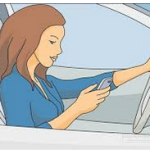

- ________________ 2. _________________ 3. __________________


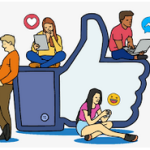
4. ________________ 5. _________________ 6. __________________
Actividad # 4
Solucionar. Work with a compañero (a). Take turns giving solutions to your classmate’s problems. Use formal commands.
Ejemplo: Estudiante A: Mi computadora no funciona muy bien
Estudiante B: Cómprese una nueva / Use las computadoras de la biblioteca.
Estudiante A
- Tengo muchos problemas con mi Android.
- Necesito escribir un ensayo (essay) para mi clase y no tengo impresora.
- El Internet no funciona en mi casa.
Estudiante B
- Me regalaron un iPhone, pero a mí no me gusta.
- Yo pago 200 dólares por mi contrato telefónico.
- Necesito descargar unos programas en mi computadora, pero no tiene mucho espacio.
Actividad # 5
Las señales. In Spanish, the word prohibido + verb commonly expresses prohibited actions in a public space. Change the following signs to a formal Uds. command.
Ejemplo:

prohibido fumar ¡No fumen!
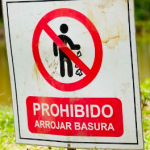
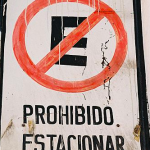

1. Prohibido tirar basura 2. Prohibido estacionar 3. Prohibido consumir alimentos
__________________ __________________ __________________
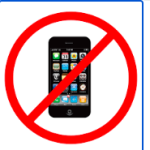


4. Prohibido usar el celular 5. Prohibido tomar fotos con flash 6. Prohibido tocar
__________________ __________________ __________________
¡Inténtalo!
Cultura: Chile

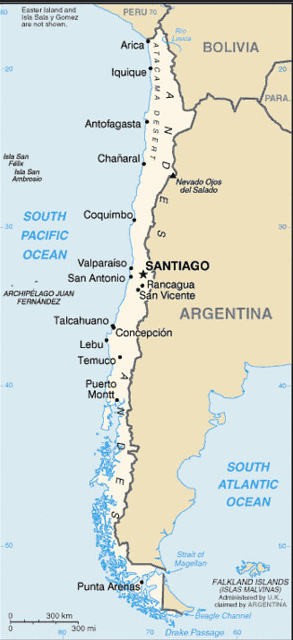
Capital: Santiago
Extensión territorial: 756.096 km² (291.930 millas cuadradas)
Analogía con USA: Aproximadamente dos veces el área de Arizona.
Población: 19. 629.590 habitantes
Idioma oficial: Español
Ciudades importantes:
- Valparaíso
•Concepción
•La Serena
•Antofagasta
Datos curiosos:
- Chile es el país más largo -4320 km- y angosto -90 km-del mundo
- El Parque Nacional Torres del Paine fue nombrado la octava maravilla del mundo en 2003.

Música: Mon Laferte
Cantante: Mon Laferte
Canción: Amárrame
Ay, quiéreme de a poco
Pero que no me dé cuenta y que nadie sepa
Ven y cuídame
Pero que parezca que me estás haciendo daño
Amárrame
Ay, finge que no te gustó
Dame una mirada y luego vuélvete lejana
Y sin querer, búscame y déjame
Llámame pero no me hables, bésame y ahógame
Amárrame
Cúrame, y enférmame de poco a poco a poco
Cúrame, y transfórmame en un loco poco a poco
Amárrame
Ay, quiero ver tu perversión
Hasta dónde llegas, hasta dónde me has llevado
Ignórame, ven y pierde la razón
Quiero que me ruegues y me mires a los ojos
Dame la espalda, desenfócame
Tómame del pelo y repíteme mi nombre
Y ámame. . .
Personalidad: Isabel Allende

Isabel Allende es una de las escritoras contemporáneas más conocidas. Nació el 2 de agosto de 1942 en Lima, Perú, pero creció en Chile. Sus dos padres eran chilenos. Trabajó como periodista en televisión. En 1973 hubo un golpe de Estado (a coup) en Chile y ella tuvo que exiliarse en Venezuela con su familia.
En 1982 publicó el libro La casa de los espíritus, que cambió su vida. Esta novela tuvo una adaptación cinematográfica en 1993 titulada The House of Spirits (con Meryl Streep, Glenn Close, Jeremy Irons, Winona Ryder y Antonio Banderas).
Sus novelas han sido traducidas (have been) a más de 27 idiomas. El 24 de noviembre de 2014, Isabel Allende recibió la Medalla Presidencial de la Libertad.
Preguntas de comprensión. After reading the short biography of Isabel Allende, answer the following questions.
1. ¿Dónde y cuándo nació Isabel Allende?
________________________________________________________________.
2. ¿Por qué se fue a vivir a Venezuela?
_________________________________________________________________.
3. ¿Qué ceremonia especial celebró en el 2014?
_________________________________________________________________.
4. ¿Conoces alguna novela de Isabel Allende?
__________________________________________________________________.
Lectura: Isla de Pascua o Rapa Nui
Paso 1. Read the following paragraph about the Island of Pascua (Easter Island)
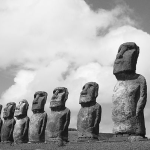
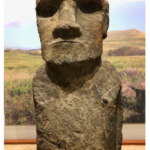
Uno de los destinos turísticos más populares de Chile está a casi cinco horas de vuelo de la capital, Santiago: la isla en la Polinesia en medio del océano Pacífico. La isla de Pascua o Rapa Nui constituye uno de los lugares más atractivos del mundo por su belleza y tradiciones.Los habitantes de la isla aún conservan y practican las costumbres de sus antepasados, destacando los moais levantados hace cientos de años, que se mantienen en pie y están altamente protegidos. La altura media de los Moais es de 4,5 metros y se cree que hay 900 esculturas de ese tipo en la isla. Rapa Nui es un valioso tesoro arqueológico que trasciende las fronteras de Chile. La UNESCO declaró a la isla Patrimonio de la Humanidad en 1995.
Paso 2.Comprensión. Based on the reading, indicate if the following statements are true (CIERTO) or false (FALSO). If false, write the correct information.
- La Isla de Pascua está cerca (close) de Santiago, Chile.
- Hay 900 esculturas moais en la isla.
- La isla de Pascua se declaró Patrimonio de la Humanidad en 1995.
This page titled 11.1: El mundo de la tecnología was last modified on Thu, 22 Oct 2026 17:25:27 GMT and is shared under a CC BY-NC 4.0 license and was authored, remixed, and/or curated by Maria Y. Martell via source content that was edited to the style and standards of the LibreTexts platform.
The book could not be loaded just now.