Opening the book…
10.1 Gramática: Pretérito vs. Imperfecto – The Preterite and the Imperfect
Now that you have learned and used the preterite (capítulos 6 and 7 ) and imperfect (cap. 9), in this chapter, you will begin to use them together to talk about the past. The preterite and the imperfect are not interchangeable. The choice between these two tenses depends on the speaker’s context and point of view.
The following table summarizes the uses of both tenses:
| PRETERITE (NARRATES ACTIONS) |
IMPERFECT (DESCRIBES the conditions / sets the stage) |
|---|---|
| 1. To express actions or events that the speaker views as completed.
Mi hija se rompió el brazo. Fui al concierto la semana pasada. |
1. Progression of action with no focus on beginning or end.
Ella esperaba a la enfermera. La doctora se preocupaba por sus pacientes. |
| 2. To narrate completed actions in succession.
La enfermera me pesó, me tomó la presión y me hizo muchas preguntas. |
2. Express habitual past actions and events.
Cuando era joven, jugaba fútbol. Mi hermana siempre se enfermaba en diciembre. |
| 3. To narrate completed action within a SPECIFIC time period.
Estudié por dos horas anoche. Yo viví en Colombia por 17 años. |
3. To describe physical and emotional states or characteristics.
El chico se sentía mal y tenía fiebre. Yo tenía mucho miedo cuando iba al dentista y quería correr. |
| 4. To express a summary or reaction statement (To end a story in the past).
Fue un verano perfecto. |
4. To describe background details such as TIME, LOCATION, WEATHER, and AGE.
Eran las tres de la tarde y hacía mucho frío. En 1982, tenía 16 años. |
SUMMARY
- The preterite tells us specifically when an action took place. (PRETERITO NARRATES COMPLETED ACTIONS in the past).
- The imperfect tells us in general when an action took place. (IMPERFECTO DESCRIBES ACTIONS in the past).
Ayuda. Certain words and expressions are commonly associated with the preterite and others with the imperfect.
| Pretérito (for a review, see Chapters 6 and 7)
ayer |
Imperfecto (for a review, see Chapter 9)
de niño (a) |
|---|
Gramática en acción: En el consultorio de la Dra. Gómez

Dra. Gómez: ¿Cuando empezó a sentir la presión alta?
Sra. Pérez: Anoche. Estaba durmiendo y de repente, me desperté y me sentía muy mareada y tenía dolor de cabeza.
Dra. Gómez: ¿Tomó algún medicamento?
Sra. Pérez: No, no tomé ningún medicamento, solo tomé agua.
Dra. Gómez: Bueno, ahora la tiene normal. No se preocupe.
Note: the use of preterito vs. imperfecto.
- Verbs that indicate actions: empezó, me desperté, tomó, tomé.
- Verbs that indicate conditions or descriptions: estaba, me sentía, tenía.
| * The preterite and the imperfect often appear in the same sentence. In those cases, the imperfect DESCRIBES what was happening, while the preterite narrates the ACTION that interrupted the ongoing activity. |
|---|
Yo estaba en la oficina del doctor, cuando sonó mi teléfono.
I was at the doctor´s office when my phone rang.
Yo hacía mi tarea cuando llegó mi novio.
I was doing my homework when my boyfriend arrived.
* You will also see the pretérito and the imperfecto together in fiction, news, and the retelling of events. The imperfecto provides the background information (time, weather, and location), while the pretérito indicates the specific events that occurred.
Manuel Elkin Patarroyo Murillo es un médico colombiano que nació el 3 de noviembre de 1949.
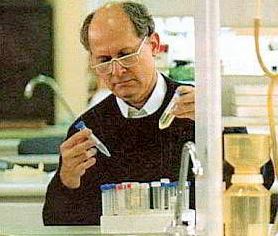
En 1986 el equipo dirigido por Patarroyo descubrió una vacuna sintética contra la malaria, enfermedad que causaba tres millones de muertes al año. Esta enfermedad parecía haberse erradicado en muchas partes del mundo. Sin embargo, (However) justo cuando el Dr. Patarroyo terminó de elaborar la inmunización, los casos de malaria empezaban a aumentar.
A pesar de las suculentas ofertas económicas que recibió, Patarroyo, decidió donarle la vacuna a la Organización Mundial de la Salud (OMS) con la única condición de que su producción y su comercialización se hicieran en su país. Esta acción desinteresada le reportó numerosos premios y distinciones, así como el reconocimiento de la opinión pública mundial.
Actividad # 1
Choose the preterite or the imperfect to complete the following sentences. Then, explain why you chose that verb tense.
- Hace dos semanas, yo (iba / fui) al médico y me (dijo / decía) que necesito tomar vitamina D.
- La niña (tosió / tosía) una vez, mientras la enfermera le (tomó / tomaba) la temperatura.
- De niña, a mi hermana no le (gustó / gustaba) tomar medicamentos.
- El año pasado (tuve / tenía) un accidente y me (quebré / quebraba) una pierna.
- Cuando (fuimos / éramos) niños, le (teníamos / tuvimos) mucho miedo a la llorona.
¡Inténtalo!
Actividad # 2
Ricitos de oro. Pretérito vs. Imperfecto. Choose the correct form of the verb according to the context. (Click on the correct answer)

Vocabulario útil
Había una vez imperfecto Once upon a time there was…
Un día… pretérito
el bosque forest
enfriar to cool
¡Inténtalo!
Actividad # 3
Lo mejor de estar enferma (the best part of being sick).

Paso 1. Complete the sentences conjugating the verbs with the correct tense of pretérito or imperfecto as needed.
1. Cuando yo (ser) niña, (pensar) que lo mejor de estar enferma (ser) pasar el día en casa y no ir a la escuela.
_____________________________________________________________________.
2. Lo peor (the worst) (ser) que yo me (enfermar) frecuentemente durante las vacaciones de Navidad.
_____________________________________________________________________.
3. Una vez durante la Navidad (tener) que ir al médico porque yo (tener) una fiebre muy alta.
_____________________________________________________________________.
4. La Dra. Gómez (darme) una receta para antibióticos porque (tener) una infección de garganta.
_____________________________________________________________________.
5. Yo no (estar) contenta porque no (poder) hablar, comer galletas ni jugar con mis primos.
_____________________________________________________________________.
6. En resumen, (ser) la peor Navidad de mi vida.
_____________________________________________________________________.
¡Inténtalo!
Paso 2. Now, retell the story from the mother’s point of view.
Ejemplo: Cuando mi hija era niña, pensaba que lo mejor…
______________________________________________________________________
______________________________________________________________________
______________________________________________________________________
______________________________________________________________________.
Actividad # 4
Cuántos años tenías cuando… (how old were you when…). Find out how old your compañeros were when they did the following. Follow the example.
Ejemplo: ver el mar por primera vez. (need to conjugate the verb in the pretérito)
E1: ¿Cuántos años tenías cuando VISTE el mar por primera vez?
E2: Tenía 17 años.
Estudiante 1 ¿Cuántos años tenías cuando…?
- ir al médico por primera vez
- aprender a montar en bicicleta
- tener tu primera cita (date) romántica
- ver el mar por primera vez
Estudiante 2 ¿Cuántos años tenías cuando…?
- viajar en avión por primera vez
- aprender a nadar
- tener tu primer trabajo
- conseguir tu licencia de manejar
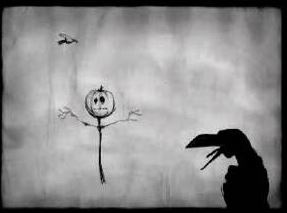
La leyenda del espantapájaros (short film)
Temas: percepciones, prejuicios, soledad y deseo de amistad e interacción social.
Paso 1. Get familiar with the vocabulario útil.
|
Vocabulario útil |
|
|---|---|
| Espantapájaros | scarecrow |
| Campo de trigo | wheat field |
| Cuervo | crow |
| Ciego | blind |
| Amo | master |
| Molino | windmill |
| Cenizas | ashes |
| Érase una vez | once upon a time |
| Semillas | seeds |
| Aves | birds |
| Asustar | to scare |
| Aterrorizado | frightened |
| Bufanda | scarf |
| Luto | mourning |
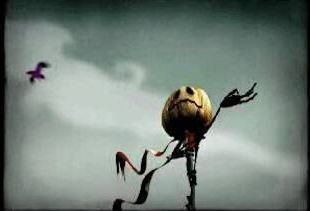
Paso 2. Mirar el video (10 minutos). Cortometraje escrito y dirigido por Marco Besas. Director de animación y dibujos: Carlos Lascano.
Paso 3. Preguntas. Work with a partner and respond to the following questions about the video. Be prepared to share your responses with the class.
- Al principio, ¿Cómo se sentía el espantapájaros?
- ¿Por qué tenían miedo los pájaros?
- Tradicionalmente, ¿cuál era el trabajo de los espantapájaros?
- ¿Qué hizo el espantapájaros cuando vio al cuervo ciego?
- ¿Cómo reaccionó el amo cuando el espantapájaros vino a hablar con él?
- ¿Qué hicieron el amo y las personas del pueblo contra (against) el espantapájaros?
- ¿Cómo reaccionaron las aves cuando vieron que el espantapájaros estaba muerto?
- ¿Cuál es el mensaje de la historia?
Paso 4. Un final diferente. Write a different ending for this story. Then, share it with the class.
______________________________________________________________________
______________________________________________________________________
______________________________________________________________________.
This page titled 10.4: Gramática- Pretérito vs. Imperfecto - The Preterite and the Imperfect was last modified on Thu, 22 Oct 2026 17:25:32 GMT and is shared under a CC BY-NC 4.0 license and was authored, remixed, and/or curated by Maria Y. Martell via source content that was edited to the style and standards of the LibreTexts platform.
The book could not be loaded just now.