Opening the book…
Click on each link below for a review summary to help you complete the assignments and prepare for the quiz to demonstrate your mastery of the objectives.
[reveal-answer q=”255132″]Vocabulario: Partes del cuerpo[/reveal-answer]
[hidden-answer a=”255132″]
La cara y la cabeza
- la frente (forehead)
- la piel (skin)
- los ojos (eyes)
- la nariz (nose)
- la boca (mouth)
- los dientes (teeth)
- los labios (lips)
- la lengua (tongue)
- el oído (ear [inside])
- la oreja (ear [outside])
- el cerebro (brain)
- el cuello (neck)
El torso y las extremidades
- la espalda (back)
- el pecho (chest)
- el estómago (stomach)
- las piernas (legs)
- los pies (feet)
- las manos (hands)
- los dedos (de las manos) (fingers)
- los dedos de los pies (toes)
- los brazos (arms)
- los huesos (bones)
- los músculos (muscles)
[/hidden-answer]
[reveal-answer q=”158584″]Los verbos reflexivos[/reveal-answer]
[hidden-answer a=”158584″]

 despertarse (wake up)
 levantarse (get up)
arreglarse (to get ready/ready oneself)
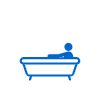 bañarse
 ducharse
 lavarse
 limpiarse
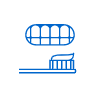 cepillarse los dientes
 cepillarse el pelo
 peinarse
 afeitarse
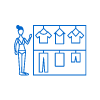 vestirse (to get dressed), ponerse (to put on), probarse (to try on)
 maquillarse
Otros verbos reflexivos
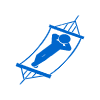 acostarse (lie down), relajarse (to relax)
 caerse (to fall down)
 cansarse (to get tired)
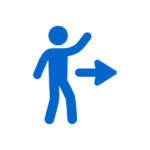 irse (to go away, to leave)
 lastimarse (to hurt oneself)
 olvidarse (to forget)
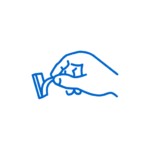 quitarse (to remove, take away)
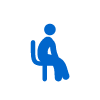 sentarse
The following are some more common reflexive verbs and their non-reflexive equivalents:
| Forma reflexiva | Forma no reflexiva |
| afeitarse (to shave oneself) | afeitar (to shave someone or something) |
| arreglarse (to get ready/ready oneself) | arreglar (to arrange someone or something) |
| bañarse (to bathe oneself) | bañar (to bathe someone or something) |
| caerse (to fall down) | caer (to fall, go down) |
| cepillarse (to brush oneself) | cepillar (to brush someone or something) |
| ducharse (to shower oneself/take a shower) | duchar (to shower/give someone a shower) |
| irse (to go away, to leave) | ir (to go) |
| lastimarse (to hurt oneself) | lastimar (to hurt someone or something) |
| lavarse (to wash oneself) | lavar (to wash someone or something) |
| levantarse (to get up) | levantar (to lift someone or something) |
| llamarse (to be called, named) | llamar (to call someone or something) |
| maquillarse (to put make-up on oneself) | maquillar (to put make-up on someone else) |
| ponerse (to put on) | poner (to put) |
| probarse (to try on) | probar (to try, to taste) |
| quemarse (to burn oneself) | quemar (to burn someone or something) |
| quitarse (to take off, e.g. clothing) | quitar (to take away from someone or something) |
| relajarse (to relax oneself) | relajar (to relax someone or something) |
[/hidden-answer]
[reveal-answer q=”700514″]Adverbios de frecuencia[/reveal-answer]
[hidden-answer a=”700514″]
| Con frecuencia | Sin frecuencia |
| usualmente, constantemente | nunca, jamás |
| generalmente, por lo general | rara vez, pocas veces, poco |
| a menudo, regularmente | a veces, casi nunca, de vez en cuando |
| cada semana, semanalmente | apenas (hardly ever) |
| todos los días, diariamente | por lo menos |
| muchas veces, bastante, mucho | |
| siempre |
[/hidden-answer]
This page titled 4.19: Putting It Together- ¿Qué haces todos los días? was last modified on Tue, 11 Aug 2026 22:16:15 GMT and is shared under a CC BY 4.0 license and was authored, remixed, and/or curated by Cristina Moon via source content that was edited to the style and standards of the LibreTexts platform.
The book could not be loaded just now.