Opening the book…
- Identify common objects in the classroom
- Form numbers up to 31
- Recognize spoken numbers
A.  ¿Lógico o Ilógico?
B. En la clase
C.  No tengo… (I don’t have…)
D. Números 0-31
E. Números 0-31
F.  Un poco de matemáticas
Text Only
A. ¿Lógico o Ilógico?
Write whether each statement is L (lógico – logical) or IL (ilógico – illogical).
- _____ Hay una mesa en mi mochila.
- _____ Hay un mapa en la pared.
- _____ Hay ventanas en la tiza.
- _____ Hay una silla en el bolígrafo.
- _____ Hay una ventana en la pared.
- _____ Hay un lápiz en mi mochila.
- _____ Los estudiantes estudian (study) en la puerta.
- _____ Hay papel en la carpeta.
B. En la clase
Circle the word that does not belong in each set of words
- la carpeta – el lápiz – el bolígrafo – el marcador
- el pupitre – la cortina – la mesa – la silla
- el profesor – el estudiante – la tiza – la clase
- el papel – el teléfono – la computadora – la calculadora
- el diccionario – el libro – el cuaderno – la luz
- el reloj – el mapa – el escritorio – la pizarra
- la pared – la mochila – la ventana – la puerta
C. No tengo… (I don’t have…)
Fill in the missing words.
- Teresa: ¡Hola Carlos! ¿Cómo estás?
Carlos: Muy bien, gracias, Teresa. ¿Y tú?
Teresa: Muy bien, gracias. Oye, No tengo __________________ ( ). ¿Tú tienes? (do you have any?)
Carlos: No, no tengo. Pero tengo un __________________ ( ).
- Mi profesora usa una _________________ (
 ) en la _________________ (
 ) de la clase.
- Rodrigo: ¿Hay una ___________________ (
 ) en tu clase?
Miguel: No, pero hay un ____________________ ( )
- Yo necesito (need) una ____________________ (
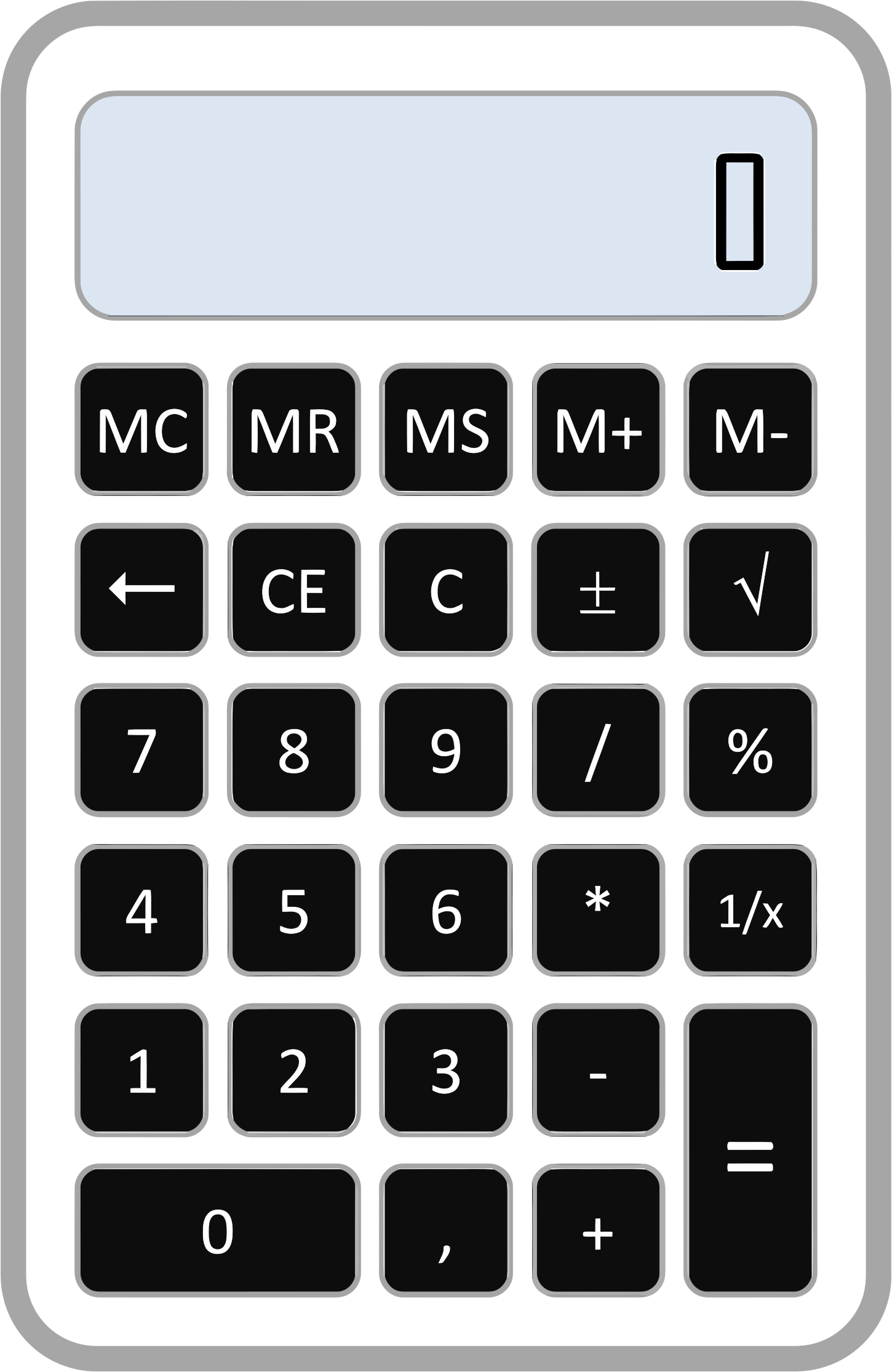 ) para mi clase de matemáticas y un ___________________ (
 ) para mi clase de español.
- Carlota: Ana, ¿en tu salón de clase hay un ___________________ (
 )?
Ana: No, hay dos. Hay uno de Latinoamérica y uno de Estados Unidos.
D. Números 0-31 A
- Which is the correct written form of the number 6?
- tres
- siete
- trece
- seis
- Which is the correct written form of the number 12?
- doce
- once
- dos
- trece
- Which is the correct written form of the number 15?
- cincuenta
- cinco
- quince
- dieciséis
- Which is the correct written form of the number 17?
- diecisiete
- seis
- siete
- setenta
- Which is the correct written form of the number 21?
- treinta y uno
- veinte
- ventiuno
- veintidós
- Which is the correct written form of the number 8?
- seis
- siete
- ochenta
- ocho
- Which is the correct written form of the number 29?
- veintiocho
- veintinueve
- diecinueve
- nueve
- Which is the correct written form of the number 14?
- cuarenta
- cuatro
- catorce
- quince
- Tres más (+) dos es igual a (=) _____.
- doce
- cinco
- treinta
- veintidós
- Nueve menos tres son _____.
- trece
- seis
- siete
- once
- Cuatro más ocho son _____.
- cinco
- doce
- quince
- trece
- Quince más cinco son _____.
- catorce
- veinte
- veinticinco
- diecinueve
- Diecinueve menos diez son _____.
- ocho
- diez
- nueve
- cero
- Veinte más seis son _____.
- veintiséis
- catorce
- veintisiete
- veinticinco
- Diecisiete menos dos son _____.
- dieciséis
- quince
- nueve
- veinticinco
- Veinticuatro más seis son _____.
- treinta
- dieciocho
- siete
- dieciséis
E. Números 0-31
Form numbers up to 31
- Escribe en letra el número: 16____________
- Escribe en letra el número: 20____________
- Escribe en letra el número: 22____________
- Escribe en letra el número: 30____________
- Escribe en letra el número: 23____________
- Escribe en letra el número: 0____________
- Escribe en letra el número: 13____________
- Escribe en letra el número: 7____________
F. Un poco de matemáticas
Solve the following basic math problems and write in letters the resulting number.
- 5 + 2 = ____; ___________________
- 30 ÷ 10 = ____; _________________
- 3 x 4 = ____; ___________________
- 30 – 8 = ____; ___________________
- 15 + 10 = ____; __________________
Contributors and Attributions
- Ejercicios: En el salu00f3n de clases y los nu00fameros. Authored by: Lumen Learning with Freedom Learning Group. License: CC BY: Attribution
- Ejercicios: En el salu00f3n de clases y los nu00fameros. Authored by: SUNY Oneonta with Lumen Learning. Provided by: SUNY Oneonta. License: CC BY: Attribution
This page titled 2.2: Práctica. En el salón de clases y repaso de los números was last modified on Tue, 07 Nov 2023 06:32:20 GMT and is shared under a CC BY 4.0 license and was authored, remixed, and/or curated by Erica Brown, Alejandra Escudero, María Cristina Montoya, and Elizabeth Small (OER SUNY) via source content that was edited to the style and standards of the LibreTexts platform.
The book could not be loaded just now.