Opening the book…
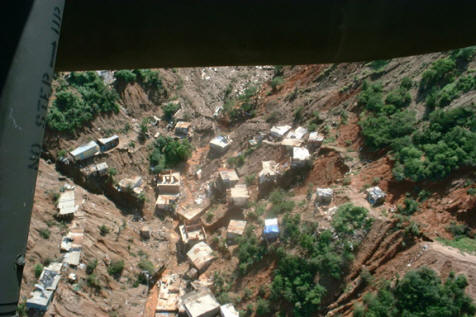
Movement of earth material can be so slow that it is imperceptible to the human eye, or move at tremendous speeds, covering or destroying all in its path. Here you will investigate the processes that mobilize earth materials and the surface changes that result from weathering, erosion, and mass movement.
By the end of this chapter you should be able to:
- Compare and contrast chemical and physical weathering.
- Explain how mass movement occurs and the landform features created by it.
- Explain how splash, sheet, rill and gully erosion occurs.
This page titled 17: Weathering, Erosion, and Mass Movement was last modified on Tue, 01 Sep 2026 02:23:33 GMT and is shared under a CC BY-SA 4.0 license and was authored, remixed, and/or curated by Michael E. Ritter (The Physical Environment) via source content that was edited to the style and standards of the LibreTexts platform.
The book could not be loaded just now.