Opening the book…
Chapter Hook
Why is the human species (Homo sapiens) so successful? We have the unique ability to not just occupy, but thrive, in diverse environments, even some of the most extreme. Through our social cooperation (despite large groups with no kin), language, art, and ingenuity (especially with tools and fire), our species became unstoppable. Modern humans have permanent settlements on all but one continent (Antarctica) and have exponentially increased our population. We have changed the world! However, this transformation has consequences for all species (including our own), necessitating updated survival strategies across the board.
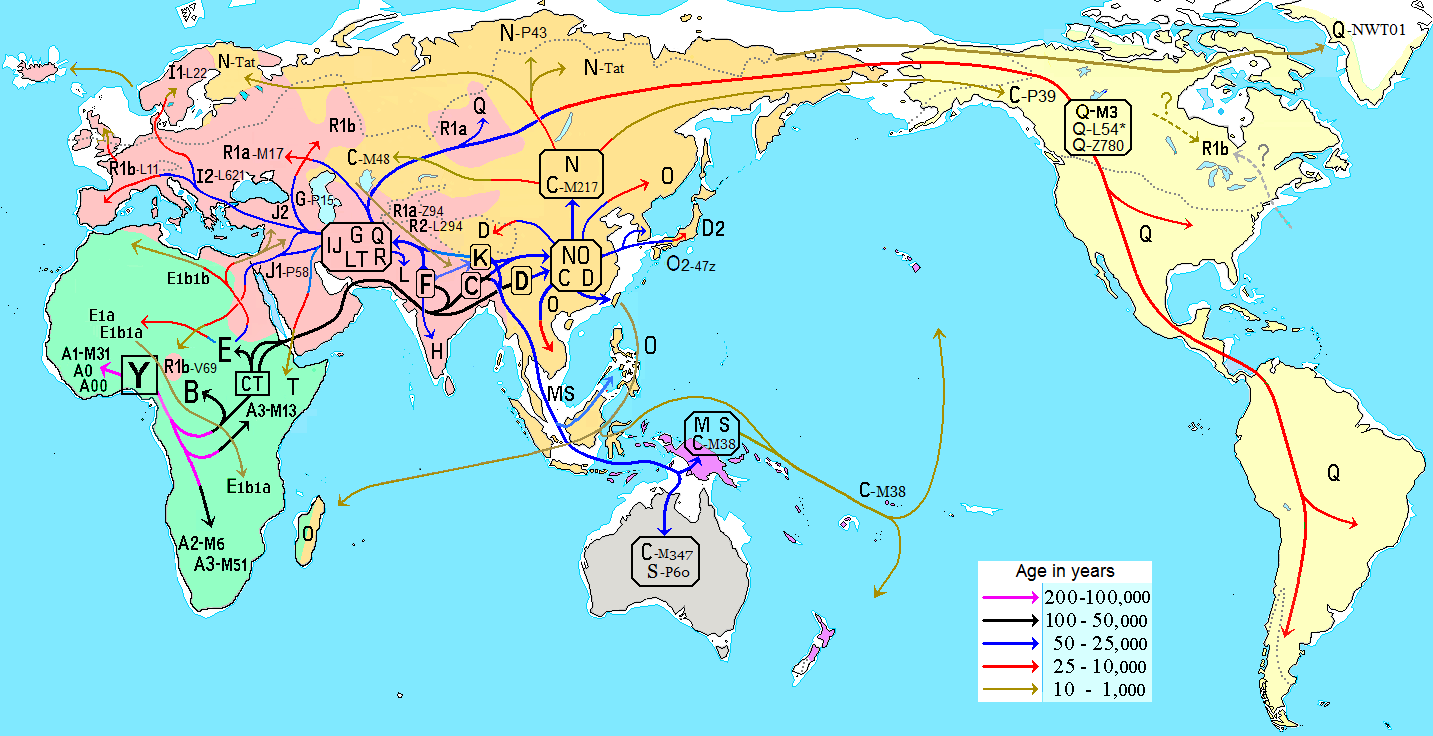

Concepts of population ecology can be applied to human population growth. Demography is the study of how human populations grow, shrink, and change in terms of age and gender compositions. Demographers also compare populations in different countries or regions. The human population has increased dramatically in the last few centuries and continues to grow (figure \(\PageIndex{b}\)). Overpopulation risks human well-being and compromises ecosystem functioning.

Attributions
Modified by Rachel Schleiger and Melissa Ha from the following sources:
- Human Demography from Introduction to Environmental Science, 2nd edition by Caralyn Zehnder et al. (licensed under CC-BY-NC-SA).
- The Human Population from Environmental Biology by Matthew R. Fisher (licensed under CC-BY)
- 12.1: History of Human Population Growth
- Human population size has increased dramatically since the Industrial Revolution, from 1 to 7.8 billion people. While the human population continues to grow, the global population growth rate has declined. Nevertheless, the large world population as well as resource use threatens ecosystems with collapse and causes global environmental issues, such as climate change.
- 12.2: The Rate of Human Population Growth
- Demographic transition is the shift from high to low birth and death rates. The future population size of different countries depends on total fertility rate, the average number of children per woman, and the age structure of the population.
- 12.3: Looking Ahead
- The human population continues to grow, and according to some experts, we have already passed our carrying capacity. Carrying capacity depends on resource use per person; countries with large ecological footprints disproportionately impact the environment. China's One-Child Policy was a controversial attempt to regulate human population growth, but more ethical population regulation focuses on improving access to healthcare and education.
This page titled 12: The Human Population was last modified on Sat, 27 Jul 2024 21:28:43 GMT and is shared under a CC BY-NC-SA 4.0 license and was authored, remixed, and/or curated by Melissa Ha and Rachel Schleiger (ASCCC Open Educational Resources Initiative) .
The book could not be loaded just now.