Opening the book…
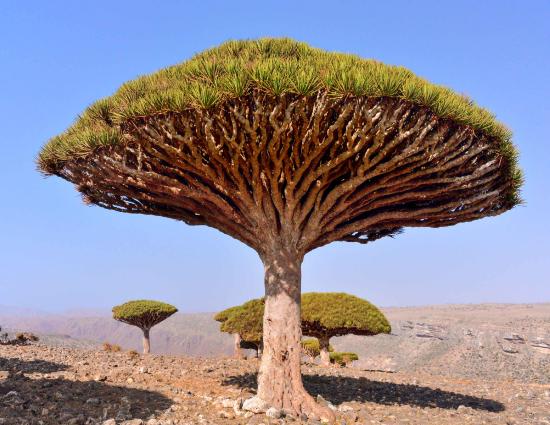
The structure of plant roots, stems, and leaves facilitates the transport of water, nutrients, and photosynthates throughout the plant. The phloem and xylem are the main tissues responsible for this movement. Water and nutrients are absorbed from the soil by roots ands transported through the xylem. Much water is lost through the stomata in the leaves, and plants have a variety of adaptations to reduce water loss (Figure \(\PageIndex{1}\)). The products of photosynthesis move through the phloem from sources to the tissues and organs that need them. These mechanisms of transport allow plant organs to specialize because they can export excess substances and import what they do not produce or collect locally.
Attribution
Curated and authored by Melissa Ha using 30.5 Transport of Water and Solutes in Plants from Biology 2e by OpenStax (licensed CC-BY). Access for free at openstax.org.
Thumbnail image: A potometer is used to measure transpiration rate, the loss of water through the stomata. Image by Theresa Knott and Rachel Knott (CC-BY-SA).

This page titled 4.5: Transport was last modified on Mon, 28 Jul 2025 22:01:26 GMT and is shared under a CC BY-SA 4.0 license and was authored, remixed, and/or curated by Melissa Ha, Maria Morrow, and Kammy Algiers (ASCCC Open Educational Resources Initiative) .
The book could not be loaded just now.