Opening the book…
The standard practice for use of plastic mulch films includes the formation of a raised bed (Figure 10-6). Soil is formed into a hill that sits slightly above the surrounding field. Plastic is pulled over the bed tightly and held in place with soil sealing the edges. As the plastic is laid, a drip irrigation tube is also placed under the plastic. The position of it is determined by how the plants are inserted into the formed bed. Transplants can then be placed into the bed in a single row with the tubing on one side. If planting a double-row on the hill, the tubing can be placed between the plants. The configuration will depend on the crop. The soil bed provides room for the roots to grow, and the irrigation tube provides a water source.


There are many benefits to using plastic mulch. One benefit is that it speeds up the warming of the soil in early spring, thus bringing the soil temperatures up to those optimal for the crop’s growth. This warmth can minimize the time from sowing to harvest. Hilling the soil also has the benefit of improving drainage. Spring rainfall can delay planting when fields are too wet. The raised nature of the hills allows it to dry more quickly. The plastic cover also helps to minimizing evaporation during the growing season. Water released by the drip tubes is trapped under the plastic and is more available for plants. The mulch also helps with minimizing erosion in fields following heavy tillage. The plastic also helps maintain crop sanitation. The barrier created between the soil and delicate fruits, such as strawberries (Figure 10-7), can limit exposure to soilborne pathogens. It also keeps the fruit cleaner which is appealing for fresh market production.
A significant amount of research has been completed on the use of both clear and pigmented films and has found some benefits and disadvantages (Figure 10-8). The most common films are black. They stop light penetration and prevent weed growth since most weed-seeds germinate when exposed to sunlight. It also does not overheat the soil, which under high light intensities is important. Clear films transmit light so the soil heats up quickly in the spring but weed can germinate below the plastic. Additionally, at the high solar intensity of summer, temperatures can get high enough under the clear films to damage roots. There is some research that suggests some colored plastics can enhance ripening for specific crops. For example, red plastic has been shown to increase fruit color in tomatoes.

The use of plastic films as row covers requires some specialized equipment (Figure 10-9). The equipment, pulled behind a tractor, performs several jobs at the same time. A series of blades form a bed by pushing soil to the center. As it moves along, plastic is pulled tightly over the bed. Two rear blades seal the edges of the plastic to keep it taut and minimize encroachment. Near the front of the attachment (not seen in Figure 10-9) is a roll of drip tape that is laid under the plastic as well. When complete the two ends are covered and the drip-tape attached to an irrigation system.


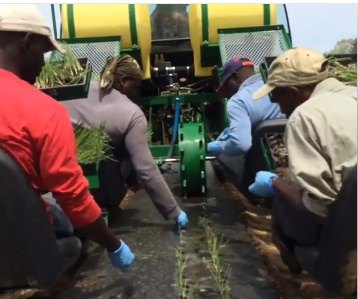
Once the beds are made, transplants (plugs) can be inserted. This can be done by hand, cutting holes in the plastic and then inserting the plug. For larger fields, a water wheel transplanter can be used for setting plugs through plastic mulch (Figure 10-10). This tractor attachment has a metal planting wheel with spikes. As the tractor moves over the hill the spikes on the planting wheel pierce the mulch (plastic) and fill the hole with water (with a starter fertilizer) from an onboard tank. Operators riding close to the row can then hand set the plants into holes at the proper depth. Depending on the crop transplanted wheels with different arrangements of spikes can be used to control planting distance.
The benefits of plasticulture include increased yields, improved crop quality, extended growing seasons and more efficient water usage. It is cost prohibitive to use it on all crops and it is typically reserved for high value horticultural crops that, for various reasons, benefit from it use. Additionally, plasticulture has major drawbacks as well. Plastic mulch and other materials are derived from petroleum. They must eventually be removed and discarded, leading to environmental pollution. The high costs of installation and plastic disposal may make plasticulture prohibitive for smallholder farmers. Critics also argue that plasticulture makes agriculture more reliant on fossil fuels. There has been some effort to recycle the plastic and research into production of biodegradable plastics from non-petroleum sources.
This page titled 10.2.1: Plastic Mulch Films was last modified on Sat, 14 Nov 2026 17:38:00 GMT and is shared under a CC BY-NC-SA 4.0 license and was authored, remixed, and/or curated by Stephanie Harvey.
The book could not be loaded just now.