Opening the book…
Water Pollution
Water pollution occurs when harmful substances such as bacteria or contaminants enter rivers, lakes, wetlands, oceans, or groundwater and degrade ecosystems, reduce water quality, or threaten human health. Because water moves continuously through the hydrologic cycle, pollutants can be transported across watersheds, accumulate in sediments, enter food webs, and affect communities far from their original source.
This section examines the major sources of water pollution, the different types of pollutants that affect aquatic ecosystems, and how nutrient pollution can trigger eutrophication, hypoxia, and aquatic dead zones.
Sources of Water Pollution
Water can become contaminated through both natural processes and human activities. Agricultural operations, urban development, industry, mining, landfills, wastewater treatment systems, and atmospheric deposition can all contribute pollutants to water bodies.
As water moves through the hydrologic cycle, it dissolves and transports contaminants. The environmental impact of a pollutant depends on its concentration, toxicity, persistence, and residence time within the ecosystem.
Point Source Pollution
Point source pollution originates from a single, identifiable source that can be located and monitored. Because the source of contamination is known, point-source pollution is often easier to regulate than pollution that comes from many dispersed locations.
Common examples of point-source pollution include wastewater discharge pipes, industrial outfalls, chemical spills, landfill leachate, concentrated animal feeding operations (CAFOs), and combined sewer overflow systems (CSOs). Leachate is contaminated liquid that forms when rainwater filters through a landfill and dissolves chemicals from decomposing waste. If not properly collected and treated, leachate can contaminate nearby soil, surface water, and groundwater.
Concentrated animal feeding operations (CAFOs) house large numbers of livestock in relatively small areas and generate substantial quantities of manure and wastewater. If these wastes escape storage ponds or are improperly applied to agricultural fields, nutrients, pathogens, and organic matter can enter nearby waterways. In California's Imperial Valley, a major agricultural region east of San Diego County, runoff from livestock operations and agricultural activities contributes nutrients and other pollutants to rivers, drainage canals, and eventually the Salton Sea. Nutrient pollution from these sources can encourage algal blooms, reduce dissolved oxygen levels, and degrade aquatic habitats (figure \(\PageIndex{a}\)).
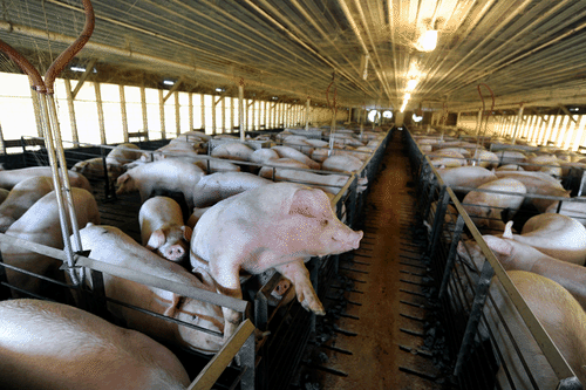
Image by U.S. Environmental Protection Agency(opens in new window) (public domain).

Another example of point-source pollution is a combined sewer overflow (CSO) system (figure \(\PageIndex{b}\)). In some cities, stormwater runoff and sewage are transported through the same set of pipes. During periods of heavy rainfall, the volume of water may exceed the capacity of the treatment system, causing untreated sewage and stormwater to be released directly into rivers, lakes, or coastal waters. These discharges can introduce pathogens, nutrients, and oxygen-demanding wastes into aquatic ecosystems.
Because the source of contamination can be identified, environmental regulations often focus on monitoring and limiting pollutant discharges from point sources. However, accidental spills, infrastructure failures, and extreme weather events can still result in significant water-quality problems.
Combined sewer overflows are more common in older cities such as Chicago, New York, and parts of the Great Lakes region, where stormwater and sewage are transported through the same pipe network. San Diego generally relies on separate stormwater and wastewater systems, although storm events can still contribute to water-quality problems through runoff and infrastructure failures.
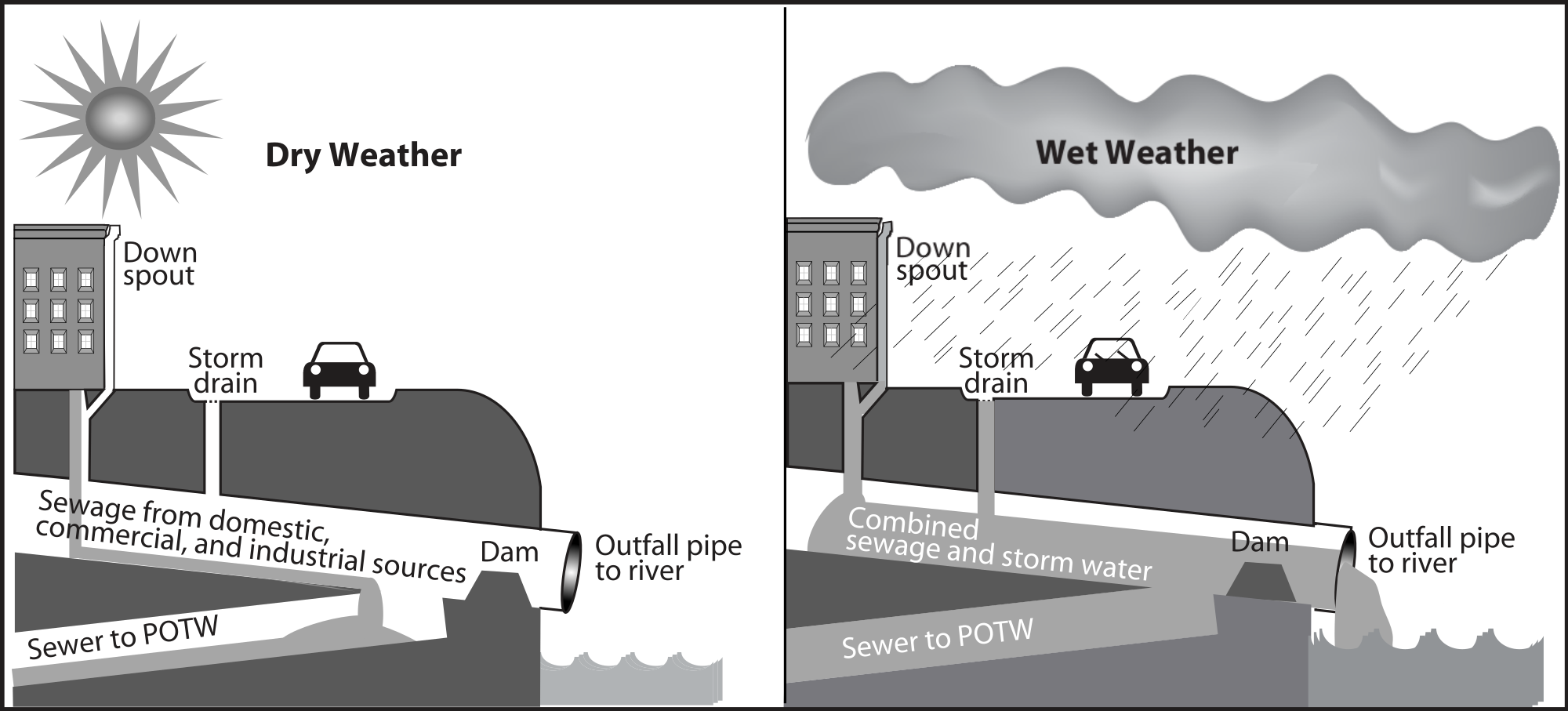
Because the source can be identified, point-source pollution is often easier to monitor and regulate.
Nonpoint Source Pollution
Nonpoint source pollution comes from many dispersed sources across a landscape. It is currently the leading cause of water pollution in the United States.
Common examples include:
- Fertilizer runoff from farms and lawns
- Urban stormwater runoff
- Oil and grease from roads and parking lots
- Sediment from erosion
- Animal waste
- Pesticides and herbicides
Rainfall and irrigation water transport these pollutants through watersheds into rivers, lakes, wetlands, estuaries, and groundwater.
The Tijuana River Watershed provides a Southern California example of nonpoint source pollution. During storms, runoff can transport trash, sediment, wastewater, fertilizers, and other pollutants through the watershed into the Tijuana River Estuary near Imperial Beach, CA. Because these contaminants originate from many locations across the watershed, addressing the problem requires coordinated management throughout the entire binational watershed rather than focusing on a single pollution source (figure \(\PageIndex{c}\)).
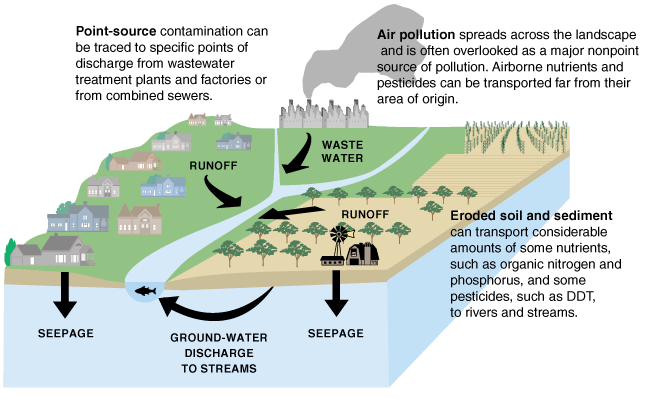
Figure \(\PageIndex{c}\): Point source contamination can be traced to specific points of discharge. Air pollution is an example of nonpoint source contamination because contaminants are throughout the air and landscape, ultimately entering the water from multiple locations. Eroded soil and sediment are another source of nonpoint source pollution. Image by USGS(opens in new window) (public domain).
Major Categories of Water Pollutants
Although thousands of contaminants can affect water quality, most pollutants fall into three broad categories: chemical pollutants, biological pollutants, and physical pollutants. Understanding these categories helps scientists identify pollution sources, assess environmental impacts, and develop appropriate strategies to protect and restore water quality.
Chemical Pollutants
Chemical pollution arises from agriculture, industry, mining, transportation, urban runoff, and waste disposal.
Concentrations of water pollutants are often extremely small and are commonly measured in parts per million (ppm) or parts per billion (ppb). One part per million is equivalent to one drop of a substance in about 50 liters of water, while one part per billion is one thousand times smaller. To provide context, rainwater typically contains about 4 ppm of dissolved solids, river water averages about 120 ppm, and seawater contains roughly 35,000 ppm of dissolved solids. These measurements help scientists assess water quality and determine whether pollutant concentrations may pose risks to ecosystems or human health.
Organic Pollutants
Organic pollutants include herbicides, pesticides, industrial solvents, petroleum products, pharmaceuticals, and synthetic hormones. Many of these substances can persist in the environment long after their release. Some are classified as persistent organic pollutants (POPs) because they break down very slowly, accumulate in the tissues of living organisms (bioaccumulation), and become increasingly concentrated as they move through food webs through a process known as biomagnification (covered in toxicology section of the book).
Examples of persistent organic pollutants (POPs) include DDT (dichlorodiphenyltrichloroethane), a synthetic insecticide that contributed to eggshell thinning in many bird species; polychlorinated biphenyls (PCBs), industrial chemicals once used in electrical equipment that persist in sediments and aquatic food webs; and dioxins, toxic byproducts of industrial processes that can interfere with hormone function, reproduction, and development. Like many POPs, these chemicals resist decomposition, bioaccumulate in organisms, and biomagnify through food webs.
Case Study: Love Canal
One of the most famous examples of organic chemical contamination occurred at Love Canal in Niagara Falls, New York (figure \(\PageIndex{d}\)).
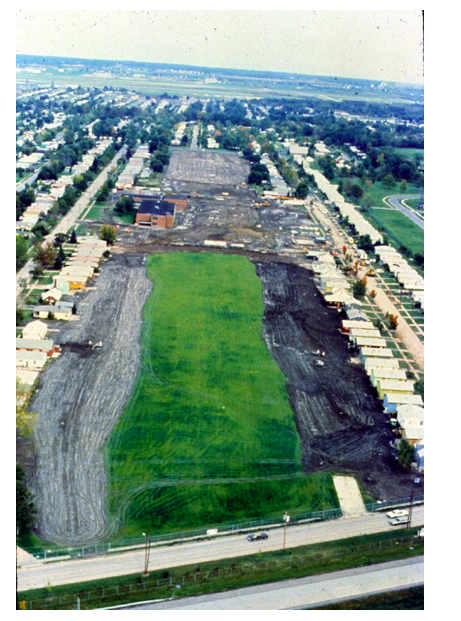
Figure \(\PageIndex{d}\): Love Canal, Niagra Falls, NY. Image by U.S. Environmental Protection Agency (public domain).
Between 1942 and 1952, industrial chemical wastes were buried in an abandoned canal. The site was later developed into a residential neighborhood and school district. Residents eventually experienced elevated rates of illness, including cancers, while chemical residues appeared in basements and soils.
Community activism led by then 27- year old housewife, Lois Gibbs, helped bring national attention to the crisis and contributed to the establishment of the Comprehensive Environmental Response, Compensation and Liability Act (CERCLA), commonly known as the Superfund Program (figure \(\PageIndex{f}\)). Today, the EPA uses Superfund authority to identify and clean up some of the nation's most hazardous waste sites.
Inorganic Pollutants
Inorganic pollutants include nutrients such as nitrate and phosphate, heavy metals, salts, radioactive materials, and substances that alter water acidity. These pollutants can originate from natural geologic sources, but human activities such as agriculture, mining, industry, energy production, and urban development have greatly increased their concentrations in many aquatic ecosystems.
Nutrient Pollution
Nitrogen and phosphorus are essential nutrients required for plant growth. However, excessive inputs of these nutrients from fertilizers, sewage, and animal waste can degrade water quality. When excess nitrogen and phosphorus enter waterways, they can stimulate rapid growth of algae and aquatic plants, a process known as eutrophication. Because nutrient pollution plays a central role in algal blooms, oxygen depletion, and hypoxic "dead zones," it is discussed in greater detail later in this chapter.
Heavy Metals
Some inorganic pollutants are heavy metals, including arsenic, mercury, lead, cadmium, and chromium. Unlike many organic pollutants, heavy metals do not degrade over time. As a result, they can accumulate in sediments and living organisms. Many heavy metals also bioaccumulate in individual organisms and biomagnify through food webs, exposing top predators, including humans, to potentially harmful concentrations. This will be covered in more detail in the toxicology chapter.
Case Study: The Bangladesh Arsenic Crisis
One of the most significant examples of heavy-metal contamination occurred in Bangladesh. During the 1970s, millions of shallow groundwater wells were installed to reduce waterborne diseases caused by contaminated surface water. Although the wells successfully reduced exposure to pathogens, many tapped naturally occurring arsenic-rich groundwater. As a result, millions of people were chronically exposed to arsenic in their drinking water, making the Bangladesh arsenic crisis one of the largest mass poisonings in human history.
The Bangladesh arsenic crisis illustrates how efforts to solve one environmental health problem can sometimes create unintended consequences when geologic and water-quality conditions are not fully understood.
Case Study: Minamata Disease
Another well-known example of heavy-metal pollution occurred in Minamata, Japan. Beginning in the 1930s, industrial wastewater containing methylmercury, a highly toxic form of mercury, was discharged into Minamata Bay. Mercury entered the aquatic food web and bioaccumulated in fish and shellfish that were regularly consumed by local residents.
Over time, thousands of people developed severe neurological disorders, including numbness, loss of coordination, hearing and vision impairment, developmental abnormalities in children, and death. The disease became known as Minamata disease and is one of the most famous examples of environmental contamination affecting human health.
The Minamata disaster demonstrated how pollutants released into the environment can move through ecosystems and eventually affect people, even when the source of contamination is not immediately obvious. Later in the Environmental Health chapter, we will explore the related concepts of bioaccumulation (the buildup of contaminants within organisms) and biomagnification (the increase in contaminant concentrations at higher levels of a food web), both of which contributed to the severity of mercury exposure in Minamata.
Salt Contamination
Salt is another common inorganic pollutant. Elevated salinity in freshwater systems can result from natural mineral deposits, agricultural irrigation practices, road-salt application, or saltwater intrusion into coastal aquifers (figure \(\PageIndex{e}\)). Increased salinity can harm freshwater organisms, alter ecosystem processes, reduce crop productivity, and degrade drinking-water supplies.

Figure \(\PageIndex{e}\): Top: Saltwater Intrusion. Image by USGS (public domain).
pH and Water Quality
The acidity or alkalinity of water also influences water quality. pH measures the concentration of hydrogen ions in a solution and indicates whether water is acidic, neutral, or basic. Most freshwater ecosystems function within a relatively narrow pH range. When water becomes too acidic or too alkaline, aquatic organisms may experience reduced growth, impaired reproduction, or increased susceptibility to pollutants. Acid deposition and ocean acidification, two major causes of pH changes in aquatic ecosystems, are discussed later in this text.
Hard Water
Hard water contains relatively high concentrations of dissolved calcium and magnesium. These minerals can reduce the effectiveness of soaps and lead to scale buildup on pipes, appliances, and other surfaces. Although hard water is often considered a nuisance for household and industrial uses, it generally does not pose a threat to human health.
San Diego County is known for having relatively hard water, largely because much of the region's water originates from the Colorado River and local watersheds that flow through mineral-rich rocks and sediments. As water moves across the landscape, it dissolves calcium and magnesium, increasing water hardness. Evaporation from reservoirs and other surface-water storage systems can further concentrate these dissolved minerals. Many households in the region use water-softening systems to reduce mineral buildup and improve the performance of plumbing fixtures and appliances.
Biological Pollutants
Biological pollutants include disease-causing bacteria, viruses, protozoans, and parasites that contaminate water supplies. These organisms, collectively known as pathogens, commonly enter waterways through untreated sewage, leaking septic systems, animal waste, livestock operations, and combined sewer overflows.
Pathogen contamination remains one of the leading causes of waterborne disease worldwide. Illnesses such as cholera, dysentery, hepatitis A, and giardiasis are spread through contaminated water, particularly where sanitation and wastewater-treatment infrastructure are inadequate.
Even in developed countries, heavy rainfall can overwhelm sewer systems and increase pathogen contamination in rivers, lakes, and coastal waters. Water treatment technologies such as filtration, chlorination, ozonation, and ultraviolet disinfection help reduce health risks by removing or inactivating disease-causing organisms.
Physical Sources of Pollution
Physical pollutants include trash, sediment, and thermal pollution (figure \(\PageIndex{h}\)). Trash was discussed extensively in the Solid Waste Management chapter.
 Figure \(\PageIndex{f}\): Garbage floating in water, Circular Quay, Sydney, Australia. Image by MrActiniuM, CC BY-SA 4.0 <https://creativecommons.org/licenses/by-sa/4.0>, via Wikimedia Commons.
Excess sediment enters bodies of water when activities such as agriculture, construction, mining, and deforestation increase erosion. Sediments can carry toxins, nutrients, and other contaminants into waterways while also increasing turbidity, a measure of water cloudiness. High turbidity reduces the amount of sunlight that penetrates the water, limiting photosynthesis by aquatic plants and algae and disrupting aquatic ecosystems.
Thermal pollution occurs when water temperatures rise above their natural range. Many power plants, including coal, natural gas, and nuclear facilities, use water for cooling and then release it back into rivers, lakes, or coastal waters at elevated temperatures. Warmer water holds less dissolved oxygen than cooler water, making it more difficult for aquatic organisms to obtain the oxygen they need for cellular respiration (figure \(\PageIndex{g}\)). Elevated temperatures can also alter species distributions, disrupt reproduction, and increase physiological stress. Dams can contribute to thermal pollution by changing natural water-flow patterns and water temperatures downstream.
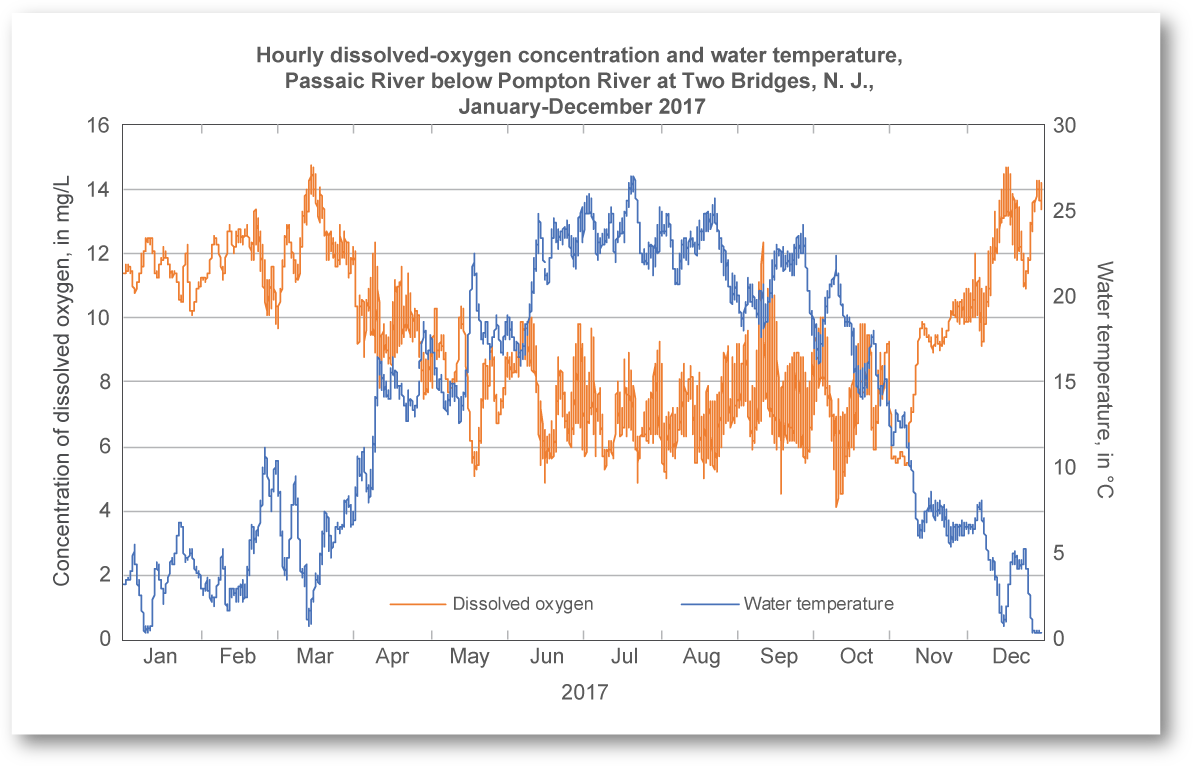
Locally, following major storms, large amounts of trash and sediment can accumulate in the Tijuana River Estuary, demonstrating how physical pollutants can be transported through watersheds and affect ecosystems far downstream. This example highlights an important concept in watershed science: activities occurring far upstream can influence water quality and habitat conditions many kilometers away.
Eutrophication, Biochemical Oxygen Demand, and Hypoxia
As discussed in the previous section on watersheds, nutrient runoff from Midwestern agricultural fields enters streams and rivers throughout the Mississippi-Atchafalaya River Basin and is ultimately transported to the Gulf of Mexico. This nutrient pollution contributes to one of the world's largest seasonal hypoxic zones, demonstrating how activities on land can affect ecosystems far downstream.
Eutrophication
Aquatic plants and algae require a variety of nutrients to grow, but nitrogen (N) and phosphorus (P) are often in relatively short supply. Because these nutrients frequently limit plant growth, they are known as limiting nutrients. This is why nitrogen and phosphorus are major ingredients in agricultural fertilizers.
When excessive amounts of nitrogen and phosphorus enter waterways from fertilizers, sewage, animal waste, and urban runoff, they can stimulate rapid growth of algae and aquatic plants. This process is known as cultural eutrophication, a form of water pollution caused by human activities.
Excessive algal growth can reduce water quality in several ways. Dense mats of algae may block sunlight needed by aquatic plants, clog fish gills, and alter aquatic habitats. Some species of algae and cyanobacteria (blue-green algae) also produce toxins that can harm wildlife, pets, livestock, and humans. Rapid population explosions of these organisms are known as harmful algal blooms (HABs) or toxic algal blooms (figure \(\PageIndex{h}\)).
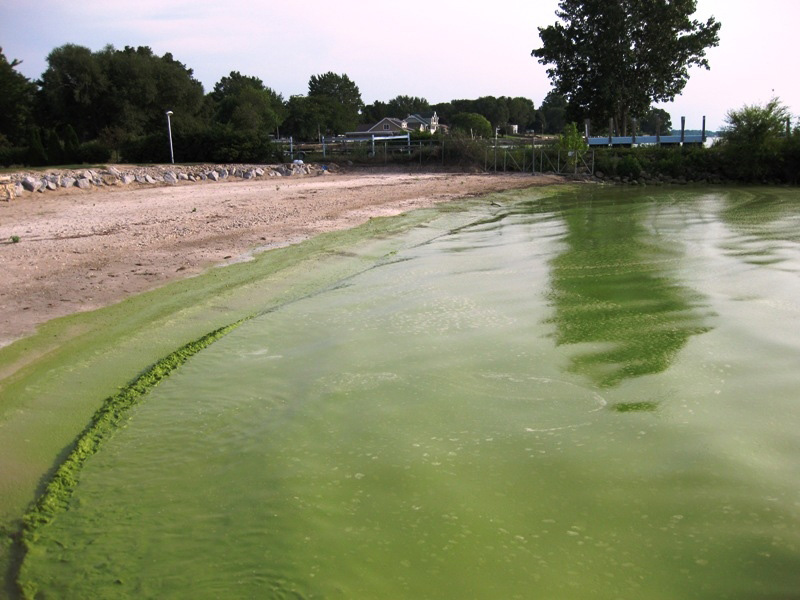
Figure \(\PageIndex{h}\): A cyanobacterial bloom in Lake Erie caused by excess nutrient pollution. Image by NASA(opens in new window) (public domain).
Although the Gulf of Mexico dead zone is one of the best-known examples of nutrient pollution, similar processes can occur at smaller scales in California. Nutrient-rich runoff from agriculture and livestock operations in the Imperial Valley contributes to water-quality challenges in the Salton Sea, including harmful algal blooms and declining ecosystem health.
Biochemical Oxygen Demand (BOD)
Eventually, the large quantities of algae and aquatic plants produced during eutrophication die and become organic matter. As bacteria and other decomposers break down this material, they consume oxygen during cellular respiration.
The amount of dissolved oxygen required by microorganisms to decompose organic matter is called biochemical oxygen demand (BOD). High BOD indicates that large amounts of organic material are being broken down, leaving less oxygen available for fish and other aquatic organisms.
Common sources of oxygen-demanding waste include untreated sewage, animal manure, food-processing waste, decaying vegetation, and algal blooms. As microorganisms decompose this organic matter, they consume dissolved oxygen from the water. When oxygen consumption exceeds the rate at which oxygen is replenished, dissolved oxygen concentrations decline, placing stress on fish, aquatic invertebrates, and other organisms that rely on oxygen for survival.
Fish species differ in their tolerance to low oxygen conditions. Sensitive species such as trout require relatively high dissolved oxygen concentrations, whereas more tolerant species such as carp and catfish can survive in degraded waters with lower oxygen level (figure \(\PageIndex{i}\)).
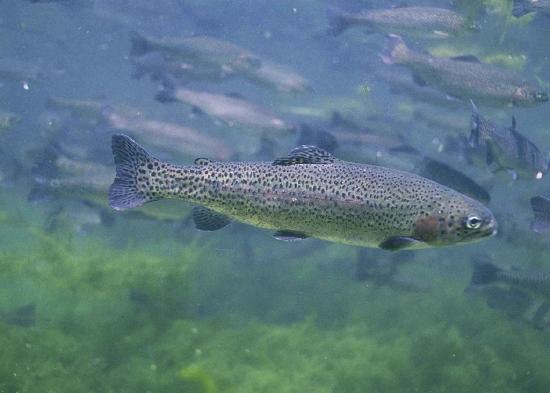
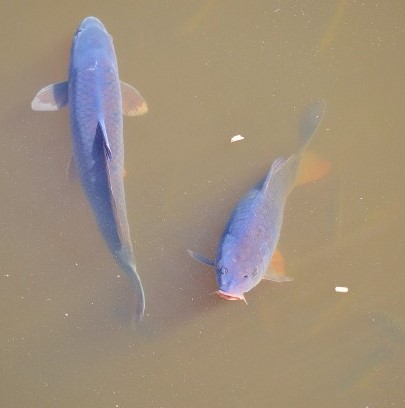 Figure \(\PageIndex{i}\): top image: Rainbow trout thrive in waters with low biological oxygen demand and high dissolved oxygen concentrations. Bottom: Carp are more tolerant of waters with high biological oxygen demand and lower oxygen levels. Top image by Engbretson Eric/U.S. Fish and Wildlife Service(opens in new window) (public domain). Bottom image by X posid(opens in new window) (public domain).

Hypoxia and Dead Zones
When dissolved oxygen concentrations fall below approximately 2 ppm, aquatic systems enter a condition known as hypoxia. Organisms that cannot escape these low-oxygen waters may die from lack of oxygen, creating a biological dead zone (figure \(\PageIndex{j}\)).
Approximately half of the lakes in North America, Europe, and Asia are affected by some degree of eutrophication. One of the best-known examples is the large seasonal dead zone that develops in the Gulf of Mexico each summer. Nutrient-rich runoff from agricultural fields throughout the Mississippi River Basin fuels algal growth in coastal waters. When the algae die and decompose, oxygen levels decline dramatically, creating hypoxic conditions over thousands of square kilometers.
Eutrophication and hypoxia are particularly difficult to address because they are primarily driven by non-point source pollution, which originates from many dispersed locations rather than a single identifiable source. Reducing nutrient pollution often requires coordinated watershed-scale management involving agriculture, wastewater treatment, stormwater management, and land-use planning.
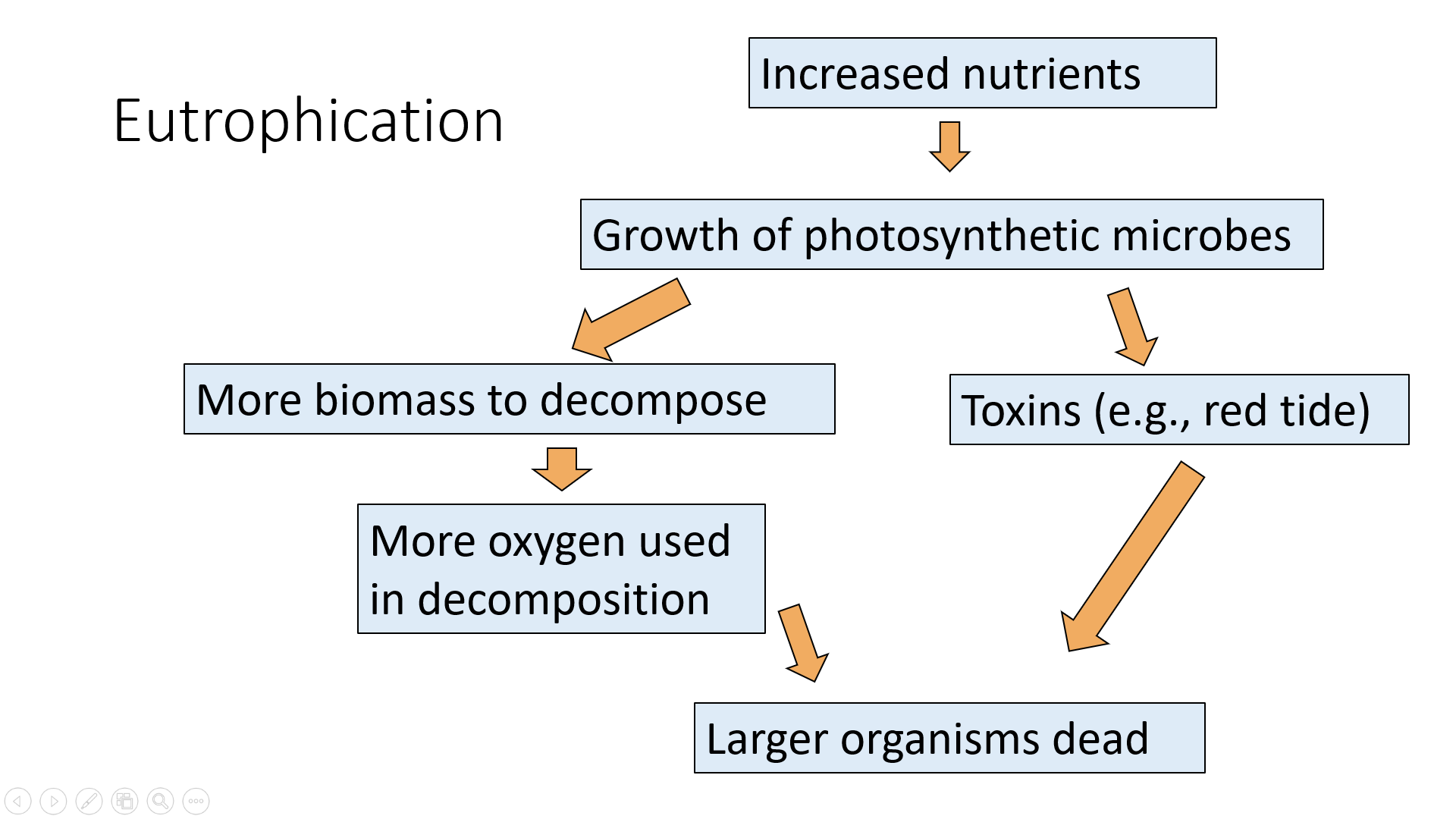 Figure \(\PageIndex{j}\): The process of eutrophication. Excess nutrients stimulate algal growth, increasing organic matter available for decomposition. As bacteria break down this material, oxygen levels decline, potentially producing hypoxic conditions and aquatic dead zones. Image credit Libretexts.
Emerging Contaminants
Scientists are increasingly concerned about emerging contaminants, which are substances that were not traditionally monitored in water supplies. These include pharmaceuticals, personal-care products, microplastics, and per- and polyfluoroalkyl substances (PFAS), often called "forever chemicals" because they persist in the environment for long periods.
These contaminants have been detected in rivers, lakes, groundwater, oceans, and drinking-water sources worldwide. Although many occur at low concentrations, researchers continue to investigate their long-term effects on ecosystems and human health. Unlike many naturally occurring substances, emerging contaminants are largely the result of modern industrial and consumer activities. They are sometimes referred to as novel entities because they represent new chemicals, materials, and engineered substances that did not previously exist in Earth's systems.
The accumulation of novel entities has become a global environmental concern. In the Planetary Boundaries framework, the Novel Entities boundary includes synthetic chemicals, plastics, pesticides, pharmaceuticals, and other human-made substances that can disrupt ecological and Earth-system processes. Scientists have concluded that humanity has likely exceeded this planetary boundary because the production and release of novel entities now outpaces our ability to fully assess, monitor, and manage their environmental impacts. The growing presence of emerging contaminants in water supplies illustrates how local pollution issues can contribute to global environmental change.
Local Connection: PFAS in Southern California
PFAS contamination has been detected in groundwater and drinking-water sources throughout California, including parts of Southern California. State monitoring programs have identified PFAS in multiple groundwater basins and public water systems, leading to increased testing, treatment efforts, and regulatory oversight. Because PFAS resist degradation and can persist in water, soils, wildlife, and human tissues for many years, they have become a major focus of water-quality management. Their persistence highlights the challenge of managing contaminants that remain in the environment long after they are released and illustrates why synthetic chemicals are included within the Novel Entities planetary boundary. More broadly, PFAS exemplify a growing challenge associated with novel entities: many synthetic chemicals are intentionally designed to be durable and resistant to breakdown. While these properties can make products more effective, they can also allow contaminants to persist in ecosystems and drinking-water supplies long after their release.
Water Pollution and Sustainability
Water pollution illustrates how activities on land can affect ecosystems and communities throughout a watershed. Pollutants released from agriculture, industry, transportation, urban development, and waste disposal can travel through rivers, groundwater, wetlands, estuaries, and oceans, often impacting locations far from their original source.
Protecting water quality requires reducing pollution at its source, improving wastewater treatment, protecting wetlands and watersheds, and adopting land-use practices that reduce contaminant runoff. Because water connects ecosystems and human communities across landscapes, effective solutions often require cooperation among individuals, industries, governments, and entire watersheds.
Think About It: Treating Symptoms or Solving Problems?
Many water-pollution problems are addressed using end-of-pipe solutions, which remove contaminants after they have already entered the environment. Examples include wastewater treatment plants, trash booms in rivers, drinking-water filtration systems, and beach cleanups that remove litter from shorelines.
Other approaches attempt to reduce pollution before it enters waterways. Examples include reducing fertilizer use, redesigning products and packaging, improving agricultural practices, protecting wetlands, and managing entire watersheds to reduce runoff.
Both approaches can improve water quality, but they operate at different points within a system.
Reflect: Imagine volunteers collect thousands of pounds of trash during a beach cleanup. What environmental benefits result from that effort? What problems might still remain after the cleanup is finished? Compare the strengths and limitations of removing pollution after it enters the environment with strategies that aim to prevent pollution from being created in the first place. Which approaches seem most effective, and why?
Attributions
This page was heavily revised and rewritten by Erin Rempala and contains adapted content from content originally authored by Melissa Ha and Rachel Schleiger and is licensed CC BY-NC-SA 4.0.
Sources:
California State Water Resources Control Board. Per- and Polyfluoroalkyl Substances (PFAS). [https://www.waterboards.ca.gov/pfas/]
U.S. Environmental Protection Agency. PFAS Explained. [https://www.epa.gov/pfas]
Smith, A. H., Lingas, E. O., & Rahman, M. (2000). Contamination of drinking-water by arsenic in Bangladesh: A public health emergency. Bulletin of the World Health Organization, 78(9), 1093-1103.
Modified by Melissa Ha from the following sources:
- Water Contamination(opens in new window) from An Introduction to Geology by Johnson et al. (licensed under CC-BY-NC-SA(opens in new window))
- Water Pollution from Environmental Biology by Matthew R. Fisher (licensed under CC-BY(opens in new window))
- The Industrialization of Nature: A Modern History (1500 to the present)(opens in new window) from Sustainability: A Comprehensive Foundation by Tom Theis and Jonathan Tomkin, Editors. Download for free at CNX(opens in new window). (licensed under CC-BY(opens in new window))
This page titled 10.5: Water Pollution was last modified on Thu, 22 Oct 2026 15:36:41 GMT and is shared under a CC BY-NC-SA 4.0 license and was authored, remixed, and/or curated by Melissa Ha and Rachel Schleiger (ASCCC Open Educational Resources Initiative) .
The book could not be loaded just now.