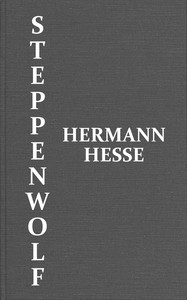
Steppenwolf
Translated by Basil Creighton
"Steppenwolf" by Hermann Hesse is a novel written in the early 20th century. The story delves into the existential struggles of its main character, Harry Haller, nicknamed the "Steppenwolf," a solitary and intellectually gifted man wrestling with feelings of alienation, despair, and a divided self. The book explores his complex psyche, isolation from society, and search for meaning in a rapidly changing world. Readers interested in deep psychological introspection, inner conflicts, and explorations of spirituality and modern life may find this work compelling. The opening of "Steppenwolf" presents a preface from an unnamed narrator who was once Harry Haller's lodging neighbor. Through his recollections, we learn about Haller's introverted, highly intellectual, but socially withdrawn nature, as well as the deep loneliness and inner turmoil that define his existence. The main narrative then moves to Haller's own voice, chronicling a day in his life filled with mundane routine, discontent, and the sense of being out of place among ordinary, "bourgeois" society. This sense of alienation culminates in a mysterious encounter with a sign for a "Magic Theatre," promising experiences "not for everybody" and "for madmen only," which sparks a new sense of possibility. The opening concludes with a treatise that philosophically describes Haller's dual nature (half-man, half-wolf), his struggle between intellectual desires and primal instincts, and his broader alienation from the norms of bourgeois society.
Summary written by Project Gutenberg, by machine.
- Language
- English
- On Project Gutenberg since
- 30 March 2025
- Read in the last 30 days
- 2,606 times at Project Gutenberg
More by Hermann Hesse
See all: More by Hermann Hesse
Hermann Lauscher

Siddhartha

Demian

Demian: Die Geschichte von Emil Sinclairs Jugend
Der Steppenwolf

Siddhartha: eine indische Dichtung
Unterm Rad

Klingsors letzter Sommer

Siddhartha: A Poem of India
Märchen

Knulp: Drei Geschichten aus dem Leben Knulps
Peter Camenzind

Diesseits: Erzählungen

Boccaccio
Narziß und Goldmund

Nachbarn: Erzählungen

Gertrud
Rosshalde
Romantische Lieder

Eine Stunde hinter Mitternacht
More from the shelf “Nobel Prizes in Literature”
See all: More from the shelf “Nobel Prizes in Literature”
A farewell to arms
The Jungle Book

The Problems of Philosophy
The Lock and Key Library: Classic Mystery and Detective Stories: Modern English

The Phantom 'Rickshaw, and Other Ghost Stories

The Red Lily — Complete
Siddhartha
Pygmalion
Buddenbrooks: Verfall einer Familie

Quo Vadis: A Narrative of the Time of Nero

Tractatus Logico-Philosophicus

The Knights of the Cross, or, Krzyzacy: Historical Romance

Just so stories
The Sun Also Rises
Demian

Der Zauberberg. Erster Band
The Life of Joan of Arc, Vol. 1 and 2

The sound and the fury
Gitanjali