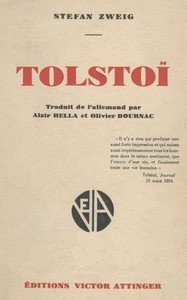
Tolstoï
by Stefan Zweig
Translated by Olivier Bournac · Translated by Alzir Hella
"Tolstoï" by Stefan Zweig is a biographical work written in the early 20th century. The book explores the life and profound inner struggles of the famed Russian novelist Lev Nikolayevich Tolstoy, illuminating his spiritual journey, conflicts with nihilism, and quest for meaning amidst the abundance of worldly success. Zweig offers a detailed portrayal of Tolstoy's transformation from a celebrated author to a seeker of truth and morality. The opening of the work sets the stage by comparing Tolstoy's life to that of Job, emphasizing the sudden and profound existential crisis that follows a period of apparent happiness and success. It describes Tolstoy in his later years, where despite his achievements and family life, he becomes plagued by a sense of emptiness and despair as he confronts the concept of non-being—the void behind life. Zweig meticulously illustrates Tolstoy’s emotional turmoil, detailing how this introspection leads him to an intense struggle against the inevitability of death and the search for a deeper understanding of existence, highlighting the complexities within an artist who ultimately sought to convey truth through his work.
Summary written by Project Gutenberg, by machine.
- Language
- French (Français)
- On Project Gutenberg since
- 14 September 2024
- Read in the last 30 days
- 560 times at Project Gutenberg
More by Stefan Zweig
See all: More by Stefan Zweig
Die Liebe der Erika Ewald: Novellen

Jeremiah: A Drama in Nine Scenes

Romain Rolland: The Man and His Work

Émile Verhaeren

The Burning Secret

Brennendes Geheimnis: Erzählung
Amok: Novellen einer Leidenschaft

Jeremias: Eine dramatische Dichtung in neun Bildern

Drei Meister: Balzac, Dickens, Dostojewski

Paul Verlaine

Tolsztoj