The Big Engine
by Fritz Leiber
Human-made only is on in this browser, so Project Gutenberg's machine summaries are left out. Settings.
"The Big Engine" by Fritz Leiber is a short story written in the early 1960s, showcasing philosophical themes wrapped in a narrative format. This work can be classified as speculative fiction, as it explores complex ideas regarding the nature of existence and human consciousness. The likely topic of the book revolves around the concept of human beings as machines, devoid of genuine emotions or thoughts, and how society is structured around this mechanical view of life. In the story, a character known as the Professor reflects on the nature of humanity and existence, questioning why life seems mechanical and devoid of true connection. Drawing on various philosophical influences, he concludes that people are merely machines programmed to perform specific roles without authentic interaction or emotion. The narrative presents a bleak view of the world, depicted as a grand, indifferent engine where individuals are isolated from each other, living in a state of ignorance and disconnection. The Professor perceives a symphony of mechanical sounds that underscore this theme, ultimately suggesting that real engagement between people is scarce, and most exist as puppets in a complex machine, subtly critiquing the state of human existence in modern society.
AI-generated Summary written by Project Gutenberg, by machine.
- Language
- English
- On Project Gutenberg since
- 25 March 2016
- Read in the last 30 days
- 485 times at Project Gutenberg
More by Fritz Leiber
See all: More by Fritz Leiber
A Pail of Air
The Night of the Long Knives
The Last Letter
No Great Magic
Appointment In Tomorrow
The Creature from Cleveland Depths

Coming Attraction
Conjure wife
The Big Time

A Hitch in Space
Yesterday House
A Bad Day for Sales
Kreativity For Kats
Time In the Round

X Marks the Pedwalk
Nice Girl with 5 Husbands
Dr. Kometevsky's Day
Later Than You Think
Bullet with His Name
Bread Overhead
More from the shelf “Science Fiction”
See all: More from the shelf “Science Fiction”
The Time Machine
The war of the worlds
Thuvia, maid of Mars
Twenty Thousand Leagues under the Sea
Anthem
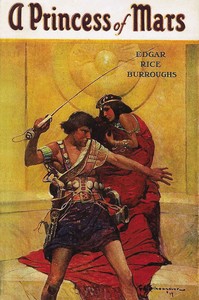
A princess of Mars
A Journey to the Centre of the Earth
The Mysterious Island
The Lost World
Twenty Thousand Leagues Under the Seas: An Underwater Tour of the World
The gods of Mars
The warlord of Mars

The island of Doctor Moreau
The Dunwich horror
From the Earth to the moon; and, round the moon
The Land That Time Forgot
The Chessmen of Mars
The Lost Continent
Off on a Comet! a Journey through Planetary Space