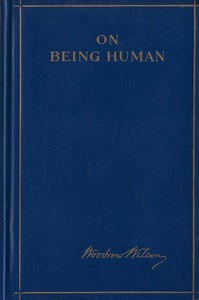
On Being Human
"On Being Human" by Woodrow Wilson is a philosophical essay published in the late 19th century. This thought-provoking piece reflects on the complexities of human existence and the evolving nature of humanity in a rapidly changing world. It delves into the notion of what it means to be human in an age marked by urbanization and the hustle of modern life, proposing that genuine interaction with others and a broader understanding of the world are essential for true humanity. In this essay, Wilson contemplates the impact of societal changes on individual identity and the importance of cultivating a deep sense of genuineness and empathy. He argues that the essence of humanity is found in the balance of individual qualities—spontaneity, intelligence, and a strong moral compass. Through various reflections, he emphasizes that true human beings are those who engage with life's complexities, maintain a spirit of curiosity, and foster a cooperative community. Ultimately, Wilson calls for a renaissance of human connections and values that can navigate the intricate challenges of contemporary life, urging readers to embody a more expansive and genuine human spirit.
Summary written by Project Gutenberg, by machine.
- Language
- English
- On Project Gutenberg since
- 1 February 2004
- Read in the last 30 days
- 637 times at Project Gutenberg
More by Woodrow Wilson
See all: More by Woodrow Wilson
George Washington
The new freedom

Congressional government
President Wilson's Addresses
In our first year of war
When a Man Comes to Himself
State of the Union Addresses

Why we are at war
Abraham Lincoln
An old master, and other political essays
Mere literature, and other essays
The social center
The Road Away from Revolution
A history of the American people, Vol. 2 [of 5]

A history of the American people, Vol. 1 [of 5]

A history of the American people, Vol. 3 [of 5]

A history of the American people, Vol. 4 [of 5]