
The Negro in the South
His Economic Progress in Relation to his Moral and Religious Development
by W. E. B. Du Bois, Booker T. Washington
"The Negro in the South" by W. E. B. Du Bois and Booker T. Washington is a book written in 1907 that examines the social history of African Americans in the southern United States. Compiled from lectures on Christian sociology, the work presents contrasting perspectives from two prominent activists. Washington explores economic development during and after slavery, while Du Bois analyzes the South's economic transformation and the role of religion, offering competing visions for Black advancement in post-Reconstruction America.
Summary written by Project Gutenberg, by machine.
- Language
- English
- On Project Gutenberg since
- 25 February 2011
- Read in the last 30 days
- 786 times at Project Gutenberg
More by W. E. B. Du Bois
See all: More by W. E. B. Du Bois
The Souls of Black Folk

Darkwater: Voices from Within the Veil

The Suppression of the African Slave Trade to the United States of America

The Negro

The Quest of the Silver Fleece: A Novel
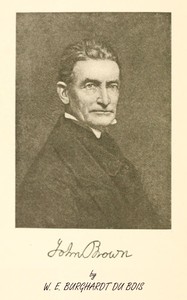
John Brown
The Gift of Black Folk: The Negroes in the Making of America

The Conservation of Races

The Conservation of Races
The social evolution of the Black South
More from the shelf “African American Writers”
See all: More from the shelf “African American Writers”
Narrative of the Life of Frederick Douglass, an American Slave
The Souls of Black Folk

Incidents in the Life of a Slave Girl, Written by Herself

Up from Slavery: An Autobiography

My Bondage and My Freedom
Darkwater: Voices from Within the Veil

Southern Horrors: Lynch Law in All Its Phases
The Suppression of the African Slave Trade to the United States of America

The Red Record

The Underground Railroad

Poems on various subjects, religious and moral

The Conjure Woman
The Negro

A Negro Explorer at the North Pole
The Quest of the Silver Fleece: A Novel

The Future of the American Negro

Collected Articles of Frederick Douglass

Clotelle; Or, The Colored Heroine, a tale of the Southern States; Or, The President's Daughter

The Negro Problem