
Das Wirken der Seele: Ideen zu einer organischen Psychologie
"Das Wirken der Seele: Ideen zu einer organischen Psychologie" by Rudolf Eisler is a scientific publication written in the early 20th century. The work presents foundational ideas for an organic-teleological psychology, arguing for a view of psychology that emphasizes the active role of the psyche as the driving force behind mental life and development. The opening of the text introduces the central themes of the work, which challenge traditional dualistic and materialistic views of the psyche and its relationship to the physical body. Eisler critiques past theories that posited the soul as an immaterial entity separate from the body, instead advocating for a perspective that sees psychological phenomena as inseparably linked to physical processes. He contends that psychological experiences are not mere reflections of physiological processes, but rather the psyche and the physical body represent two sides of the same coin—intertwined within a unified experience. This intricate relationship sets the stage for a deeper exploration of psychological causality, the nature of will, and the development of psychological constructs.
Summary written by Project Gutenberg, by machine.
- Language
- German (Deutsch)
- On Project Gutenberg since
- 18 February 2011
- Read in the last 30 days
- 866 times at Project Gutenberg
More from the shelf “DE Sachbuch”
See all: More from the shelf “DE Sachbuch”
Die Traumdeutung

Tractatus Logico-Philosophicus

Reise in die Aequinoctial-Gegenden des neuen Continents. Band 2.
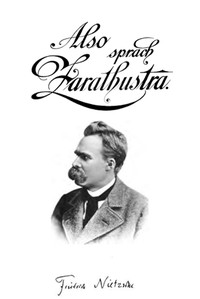
Also sprach Zarathustra: Ein Buch für Alle und Keinen

Studien und Plaudereien. First Series
Leibnitz' Monadologie

Beantwortung der Frage: Was ist Aufklärung?

Jenseits von Gut und Böse

Das Unheimliche

Kritik der reinen Vernunft
Drei Abhandlungen zur Sexualtheorie

Phänomenologie des Geistes

Soldan's Geschichte der Hexenprozesse. Zweiter Band

Wissenschaft der Logik — Band 1

Macchiavellis Buch vom Fürsten

Götzen-Dämmerung

Totem und Tabu

Selbstbetrachtungen

Massenpsychologie und Ich-Analyse
