La fantesca
"La fantesca" by Giambattista della Porta is a comedic play written in the late 16th century. The story revolves around themes of love and jealousy, prominently featuring characters such as Essandro, who disguises himself as a female servant, and Nepita, who is embroiled in the complicated romantic maneuvers involving her mistress Cleria. The play explores the chaos that ensues as love triangles and rivalries develop, driven by the titular concept of jealousy. The opening of the play introduces the personification of Jealousy, who sets the stage for the comedic turmoil to come. This character articulates the destructive nature of jealousy and its ability to reignite romantic passions, laying the foundation for the plot. The audience meets Nepita and Essandro, who engage in a lively banter about their roles and the tensions arising from love and jealousy in their household. As Essandro, in disguise, navigates his feelings for Cleria and the chaos instigated by the jealous dynamics among the characters, the stage is set for a humorous exploration of relationships and the lengths one will go to for love.
Summary written by Project Gutenberg, by machine.
- Language
- Italian (Italiano)
- On Project Gutenberg since
- 31 August 2009
- Read in the last 30 days
- 340 times at Project Gutenberg
More by Giambattista della Porta
See all: More by Giambattista della Porta



More from the shelf “IT Teatro in prosa”
See all: More from the shelf “IT Teatro in prosa”
La crisi: commedia in tre atti

Tristi Amori

La Gioconda
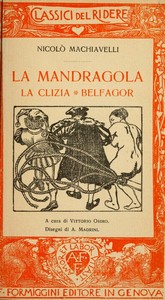
La mandragola - La Clizia - Belfagor

Le commedie - lo astrologo

Diritti dell'Anima
Il trionfo: Dramma in quattro atti

La Cintia

La Tempesta

Sei personaggi in cerca d'autore
L'Olimpia
Un'avventura di viaggio
Una donna
Non fare ad altri...
La fine dell'amore
Infedele: Commedia in tre atti
Le disilluse
Danza macàbra
Sperduti nel buio: Dramma in tre atti