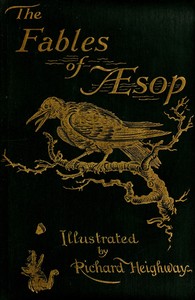
The Fables of Aesop
Selected, Told Anew, and Their History Traced
by Aesop
Edited by Joseph Jacobs
"The Fables of Aesop" by Aesop is a collection of fables credited to a storyteller who lived in ancient Greece between 620 and 564 BCE. These short tales feature talking animals and plants that teach moral lessons through simple yet profound scenarios. Originally part of oral tradition, the stories were collected centuries after Aesop's death and have been continuously expanded, translated, and reinterpreted across cultures. The fables address ethical, social, and political themes, offering timeless wisdom through humble incidents that reveal great truths about human nature and behavior.
Summary written by Project Gutenberg, by machine.
- Language
- English
- On Project Gutenberg since
- 1 March 1992
- Read in the last 30 days
- 4,286 times at Project Gutenberg
More by Aesop
See all: More by Aesop
The Aesop for Children

The Baby's Own Aesop

Aesop, in Rhyme: Old Friends in a New Dress

The Fables of Æsop, and Others

Bewick's Select Fables of Æsop and others.

Aesop's Fables; a new translation
Three hundred Aesop’s fables
Æsop's Fables: A Version for Young Readers

Aesop's Fables: A New Revised Version From Original Sources

Æsop's Fables

Æsop's Fables, Embellished with One Hundred and Eleven Emblematical Devices.
Some of Æsop's Fables with Modern Instances
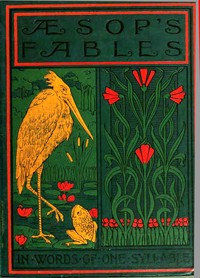
Æsop's fables in words of one syllable

Aisopoksen satuja
More from the shelf “Harvard Classics”
See all: More from the shelf “Harvard Classics”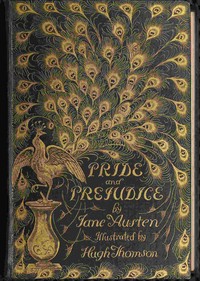
Pride and Prejudice
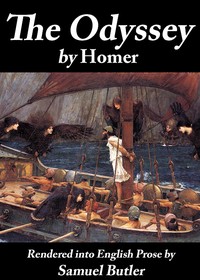
The Odyssey

Crime and Punishment

Meditations

The Prince

History of Tom Jones, a Foundling

The Confessions of St. Augustine

Leviathan
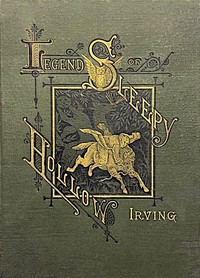
The Legend of Sleepy Hollow
Autobiography of Benjamin Franklin
On the Origin of Species By Means of Natural Selection
Don Quixote

An Inquiry into the Nature and Causes of the Wealth of Nations

Anna Karenina

The Sorrows of Young Werther

Apology

David Copperfield

Don Quijote

Essays by Ralph Waldo Emerson